Chasing the fall foliage

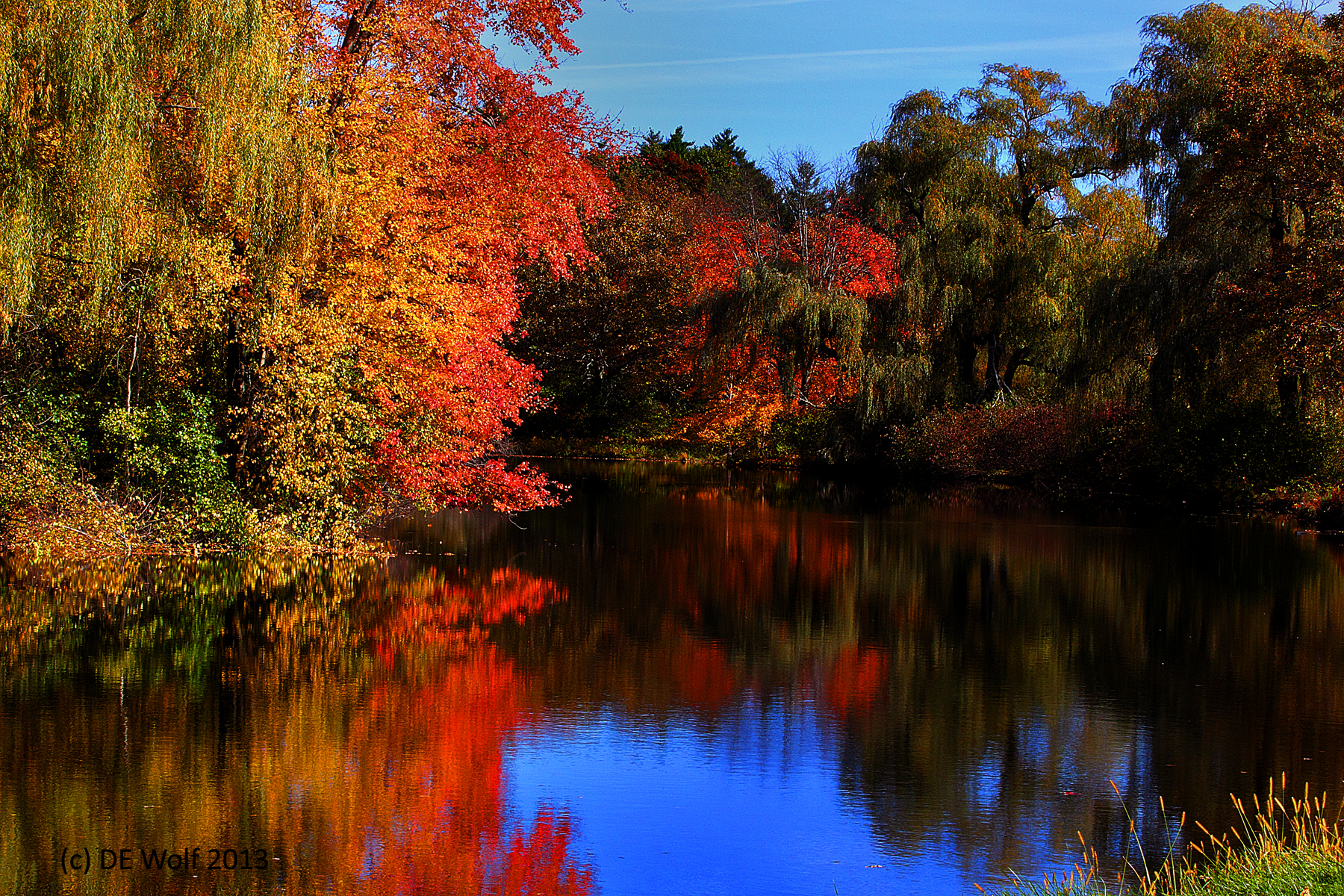
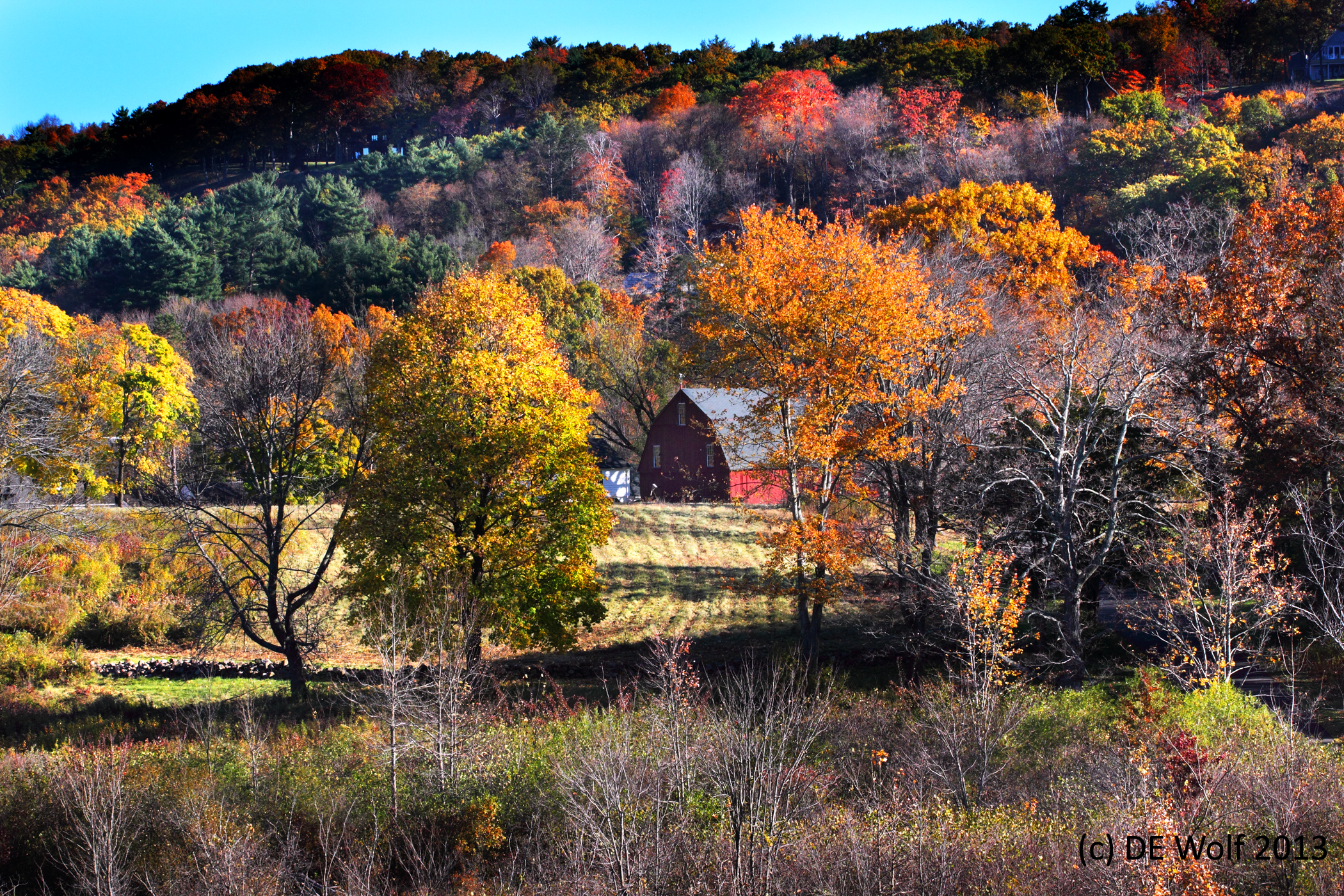
Figure 1 - Hill-Stead Farm #1, (c) DE Wolf 2013.

Figure 1 – Hill-Stead Farm #1, (c) DE Wolf 2013.

We have been having a really wonderful fall here in New England.  The foliage has been magnificent, although lacking just a bit in reds.  These differences are the vagaries of summer rainfall and temperatures.  We are just past “peak” now and took advantage of the hospitality of good friends to chase the foliage into the Connecticut River and Farmington Valleys of Northern Connecticut this past weekend.

Our destination were visits to the Mark Twain House in Hartford, CT and Hill-Stead Farm in Farmington, CT.  These two magnificent homes offer up a glimpse into the great “Gilded Age.”    To me it is always interesting to see these places and to imagine the inhabitants going about their lives and living out in newborn novelty the events of the times. Theodate Pope(1867-1946), the mistress and architect of Hill-Stead, was on the Lusitania when it was torpedoed on May 7, 1917. She was pulled in from the sea with boat hooks and laid among the dead. One woman pleaded with the rescuers to give her artificial respiration. They cut off her fashionable clothing and went to work. To everyone’s amazement she regained consciousness.

Needless-to-say photography is not allowed in either of the houses.  However, I took a large number of photographs at both locations.  In both cases I had really excellent light, late afternoon at the Twain House and reasonably early at Hill-Stead Farm. It’s going to take me a while to work all of these up and will certainly share more of them with you.  However, since we’ve been on the topic of autumn colors, I’d like to share one (Figure 1) today that I think, hope, complements the wonderful impressionist art collection at Hill-Stead.  It is the view from the farm of the barn, the valley, and the hillside.  It is late fall, or at least late fall color, in the morning light. If you must know the particulars, they are: Canon T2i with EF70-200 mm f/4 USM lens at 94 mm, ISO 400, Aperture-Priority AE, Exposure compensation -1 (to catch the blue sky), 1/500th sec. at F/9.0.

The light and the season are changing.  Next weekend comes Halloween, and we set the clocks back (Boo on both accounts).  New light brings new perspectives and photographic opportunities.

Fall colors on the Charles

Figure 1 - Fall on the Concord River, Concord, MA by the Nashawtic Country Club, (c) DE Wolf.

Figure 1 – Fall on the Concord River, Concord, MA by the Nashawtic Country Club, (c) DE Wolf.

I wanted to indulge myself today and share one of my Fall 2013 photographs.  This is an image of the Charles River watershed by the Nashawtic Country Club at Nine Acres in Concord, MA.  This is a very pretty site throughout the year.  The river’s mood is ever changing.  Not so much in terms of roughness, but in terms of the interplay of fog and light.  On this particular day the light was dazzling and provided an excellent reflection upon the water, creating, I hope, an impressionist coloration.  I never tire of this river or this historic part of the state.  There is still fall color left to enjoy.  And after that we will have the low light of late fall with its long shadows, followed by the magic of snow and winter.

More abstracts from the mall

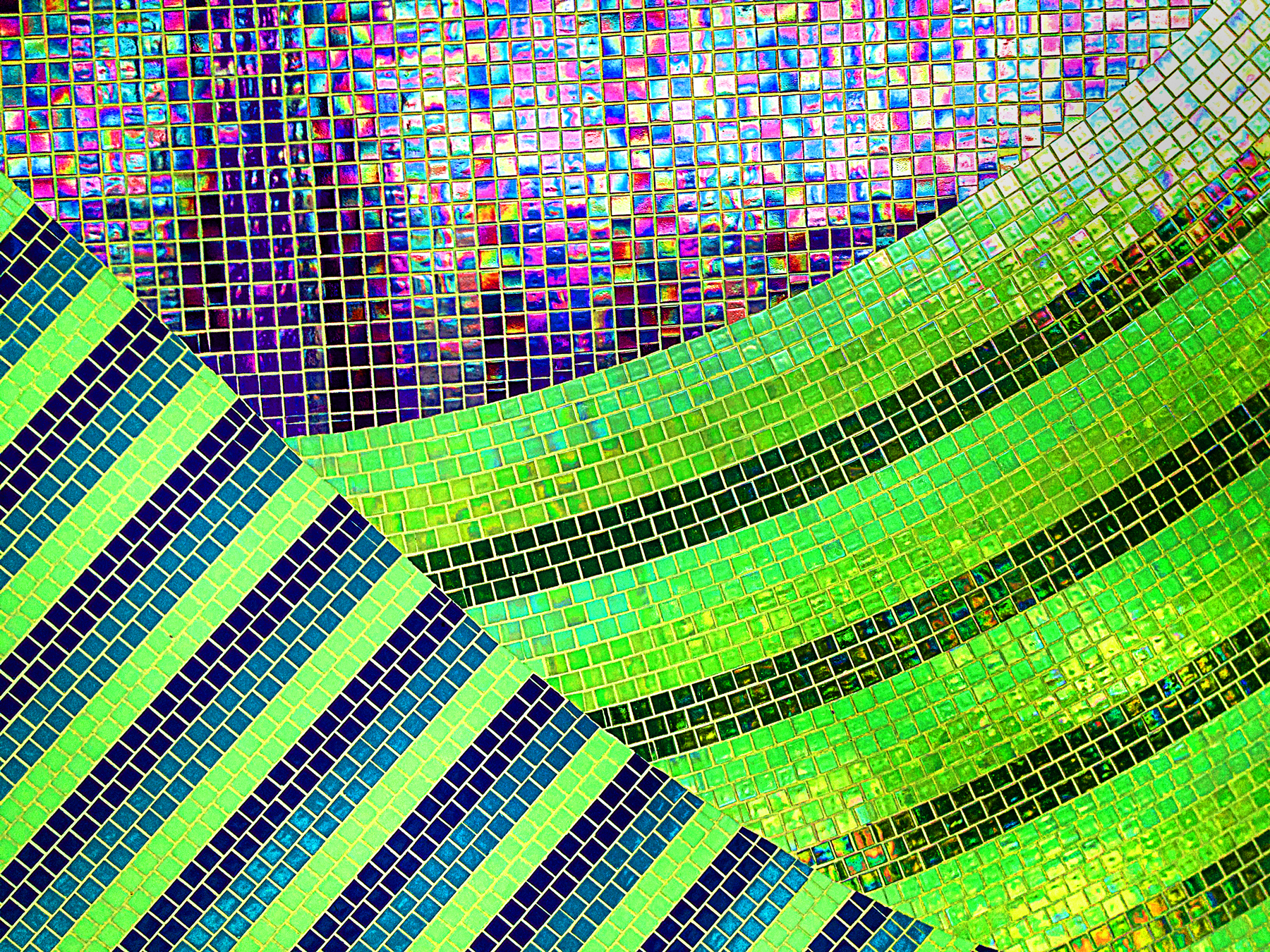
Figure 1 - Mosaic #1, (c) DE Wolf 2013.

Figure 1 – Mosaic #1, (c) DE Wolf 2013.

I stopped by the Natick Collection today to run an errand and I entertained myself taking abstract photographs with my favorite “large format” view camera, my IPhone 4S.  The mall is starting to bustle again, which is, I think, both an indication of a reviving economy and the start of a busy holiday season.

Figure 2 - Mosaic #2, (c) DE Wolf 2013.

Figure 2 – Mosaic #2, (c) DE Wolf 2013.

First, I found some lovely mosaics, which I have displayed here as Figures 1 and 2.  It was a matter of figuring out how to make the wave patterns of tiles to form a decent composition.  Invariably there is a little rotating required in the final image.  With the IPhone I can never quite get it right.  The lighting was a bit dull in both cases, but not so much so as not to be correctable with the usual suspects: levels, curves, hue, saturation, brightness and contrast.  Of course, there was a bit of dodging and burning to be done as well.

Figure 2 - "People. a Tribute to Robert Indiana," (c) DE Wolf 2013.

Figure 2 – “People. a Tribute to Robert Indiana,” (c) DE Wolf 2013.

Then there was this wonderful sign, actually part of a sign, which says “People.” I see it as a tribute to artist Robert Indiana, of “Love” fame.  And I chose here to do it, Figure 3, in black and white.

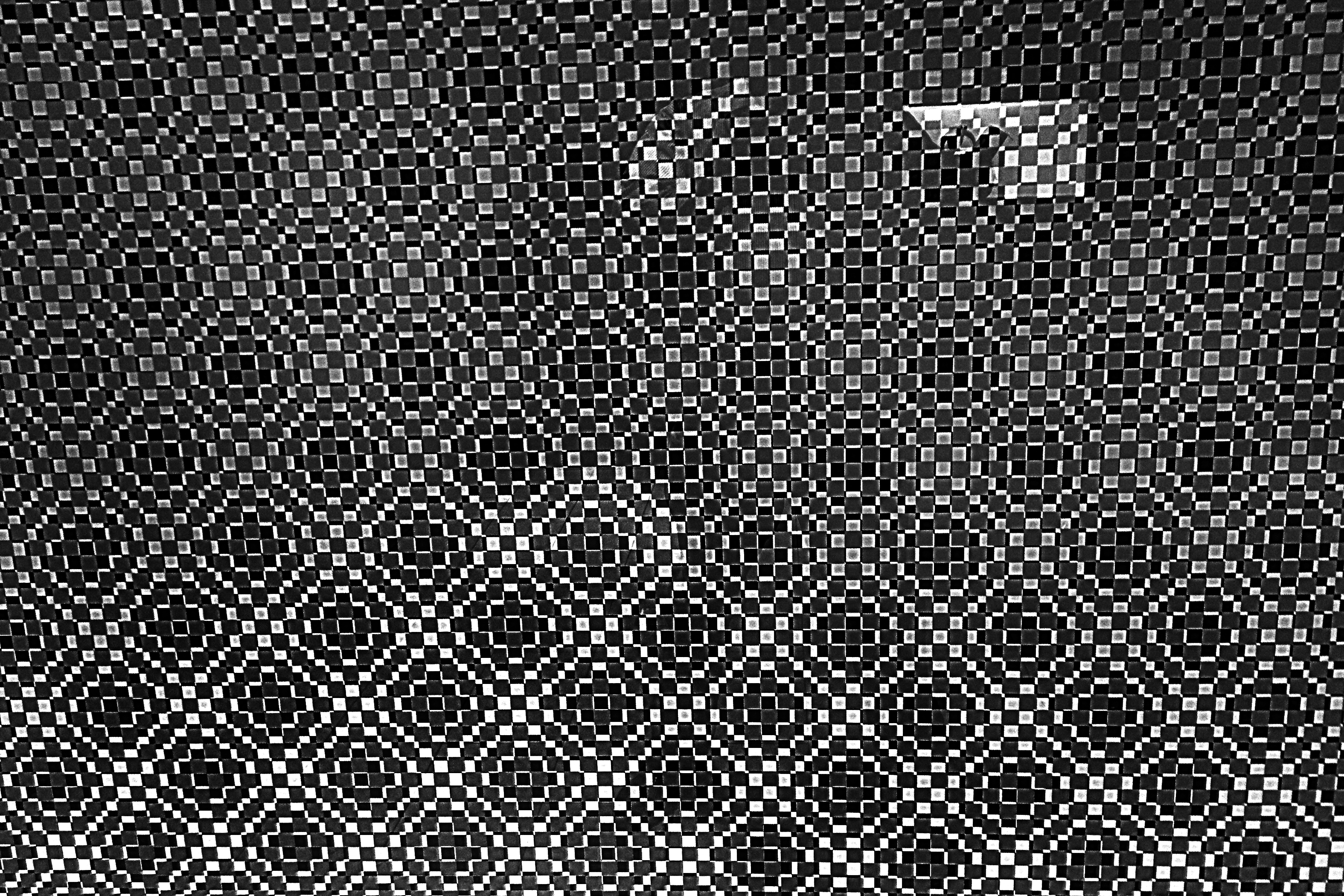
Finally, I ventured over to the Louis Vuitton store.  Their windows always have some light catching element and today I took a picture straight into a mosaic mirror.  The image reminded me of the computer game “Tetris.”  I thought that I was going to have to label it a “self portrait,” but I am pretty much invisible in the end product, which again I chose to render in black and white.

Figure 4 - "Tetris," (c) DE Wolf 2013.

Figure 4 – “Tetris,” (c) DE Wolf 2013.

590 nm to 620 nm

Figure 1 - Autumn comes to Dean Park, Shrewsbury, MA a few years back, (c) DE Wolf.

Figure 1 – Autumn comes to Dean Park, Shrewsbury, MA a few years back, (c) DE Wolf.

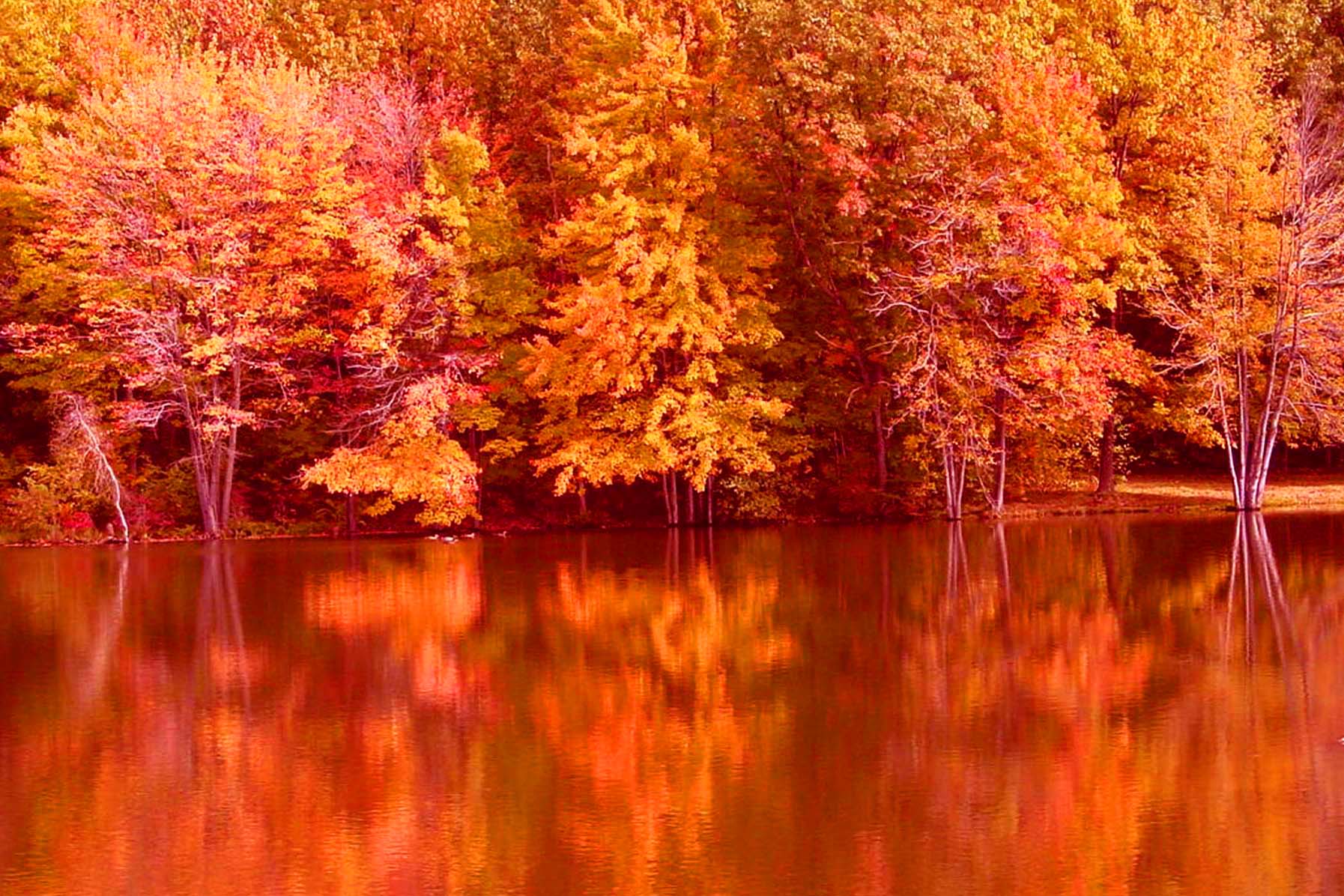
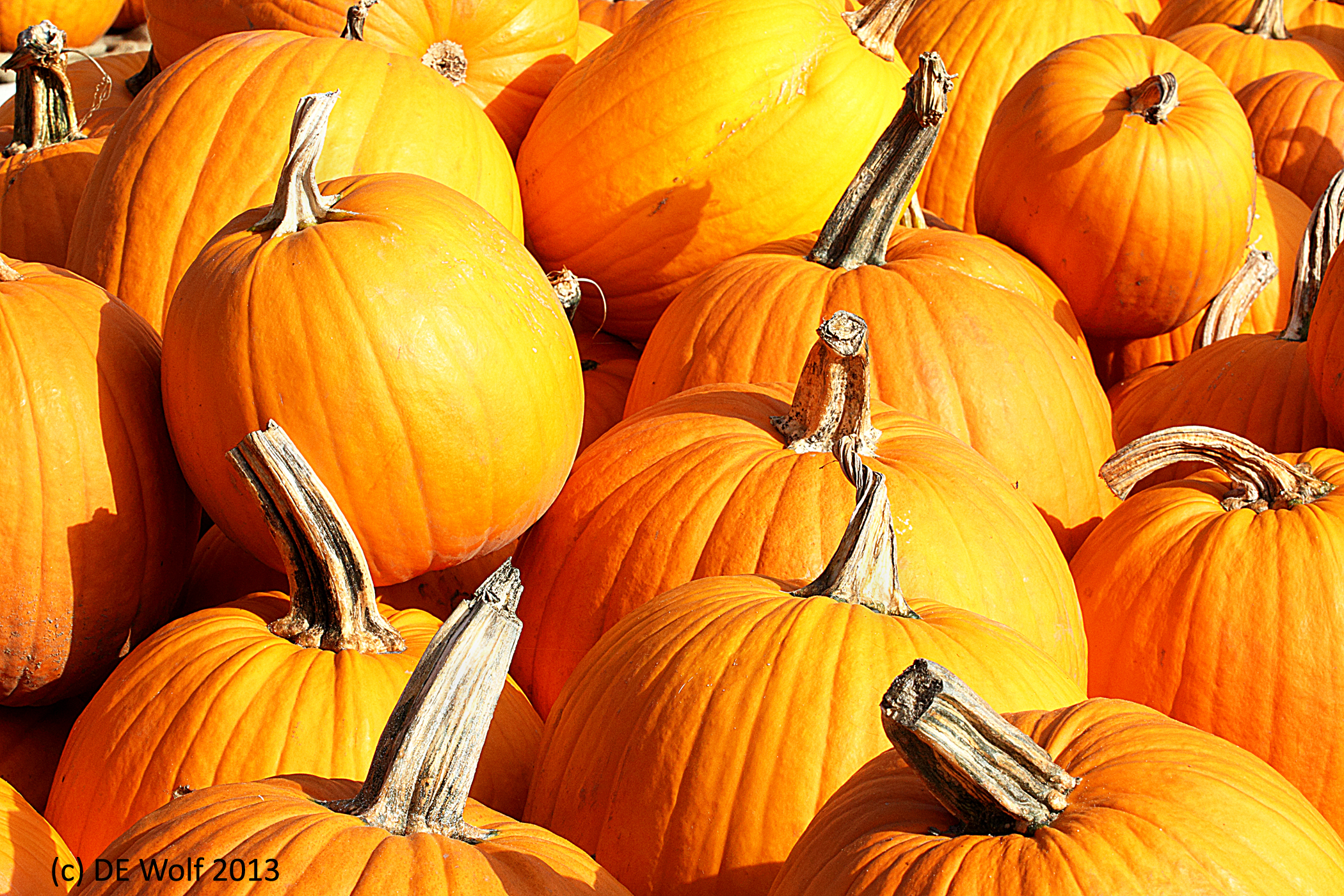
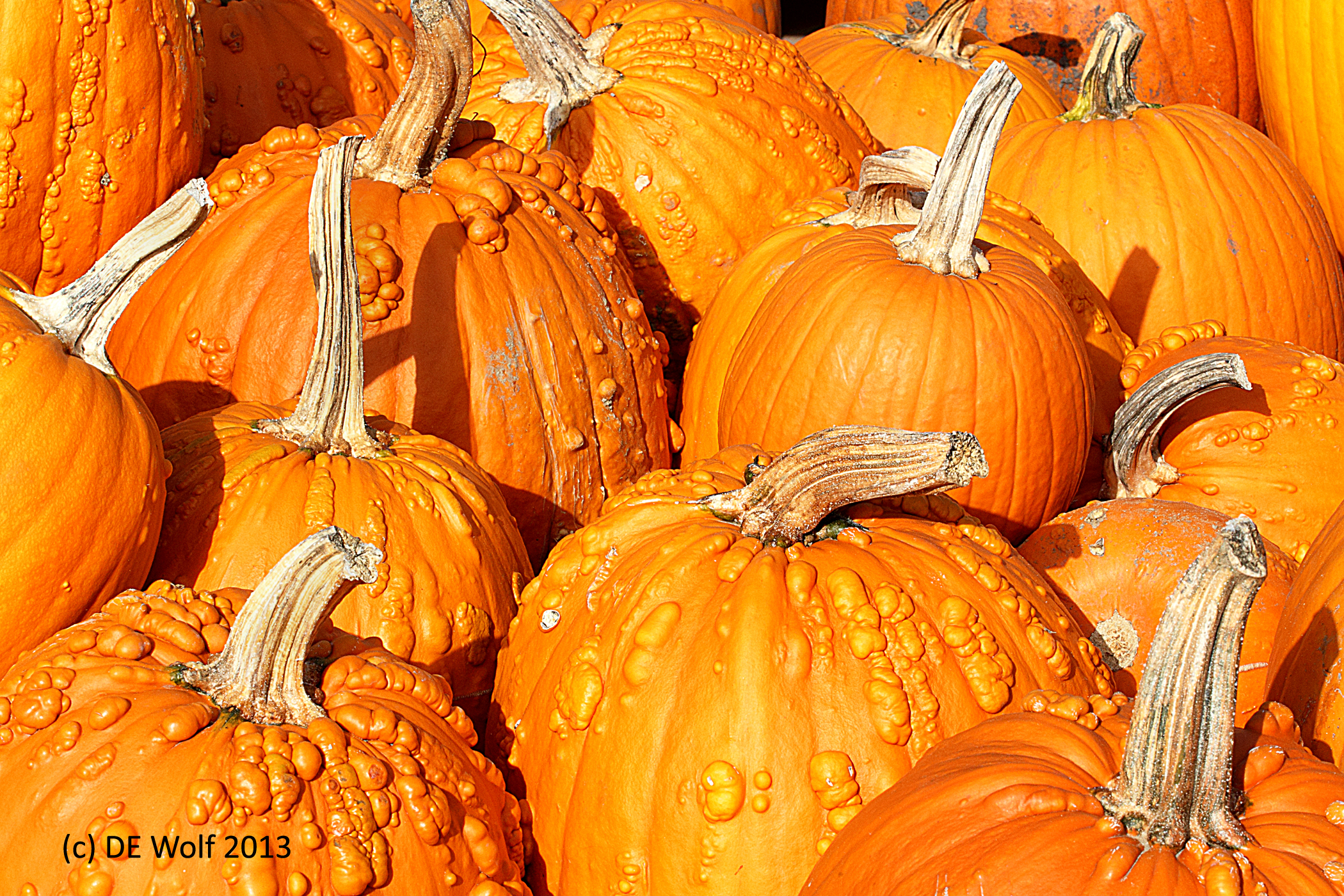
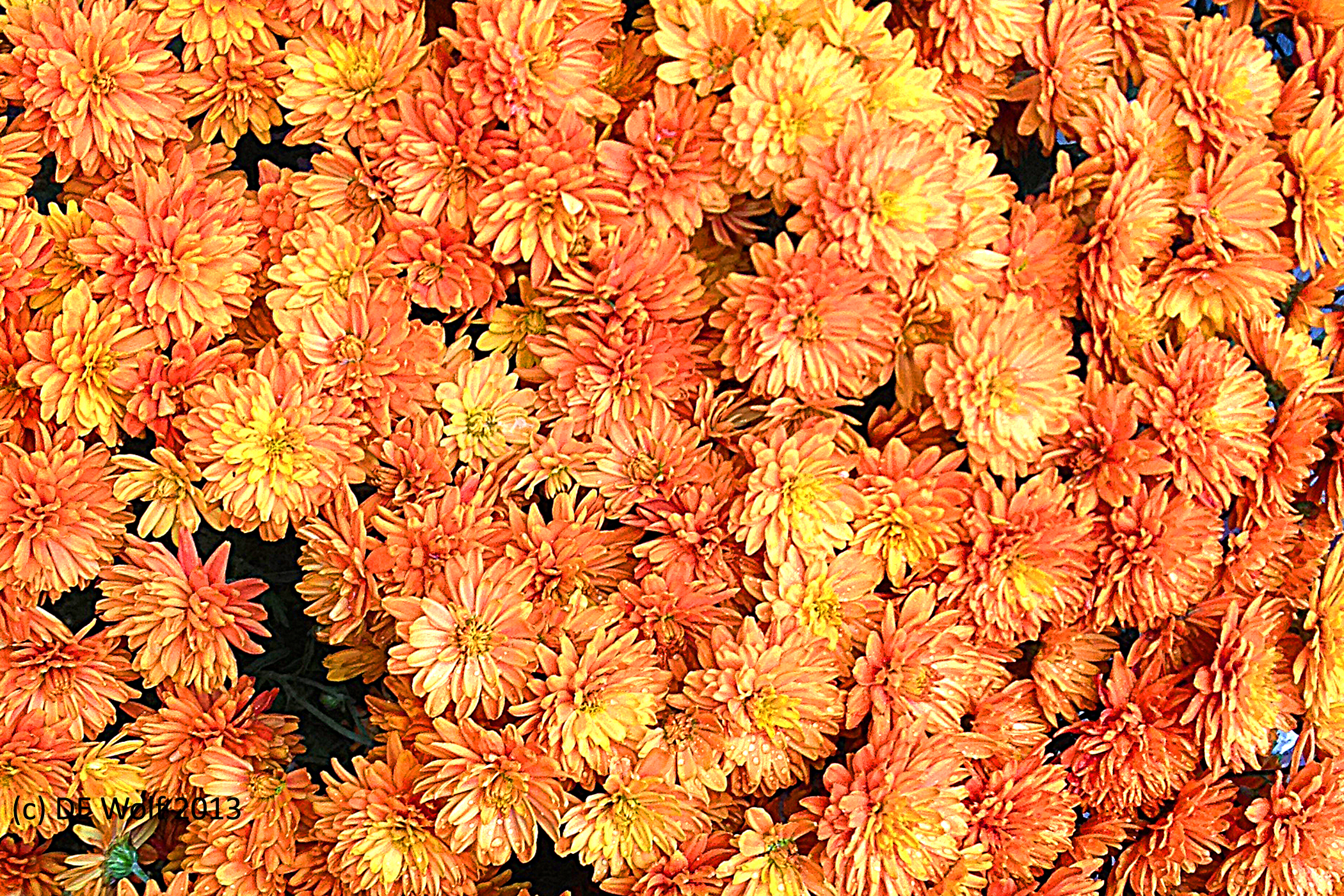
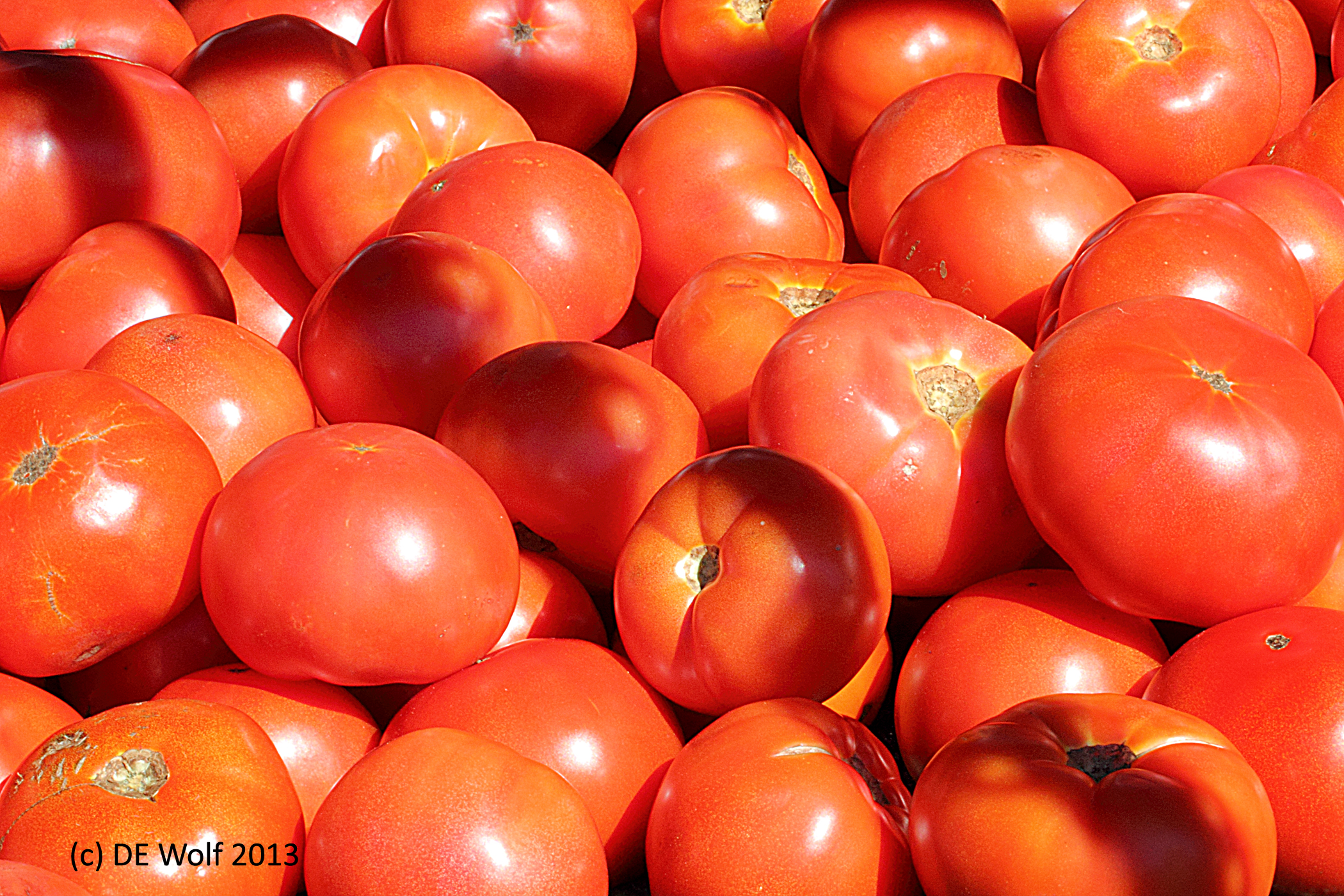
590 to 620 nm is that glorious region of the electromagnet (light) spectrum that we call the color “orange.”  It is autumn in New England like nowhere else that I have lived this is a time to rejoice, to rejoice in the colors and flavors of the season.  And the quintessential color of fall in New England is orange.  Orange is everywhere, all shades of orange.  Everyone is happy and everyone is snapping photographs.  So I thought that I would celebrate the season with you and with a short photoessay that, because I am quirky, I am going to call “590 nm to 620 nm.  What I was looking for was essentially tone-on-tone images, where the composition is dramatically enhanced by choosing a vibrant color for the image.  This is the first part of a greater series of tone-on-tones that I am working on, with the ultimate intent of spanning the entirety of the visible spectrum.

The glory of partially diffuse light

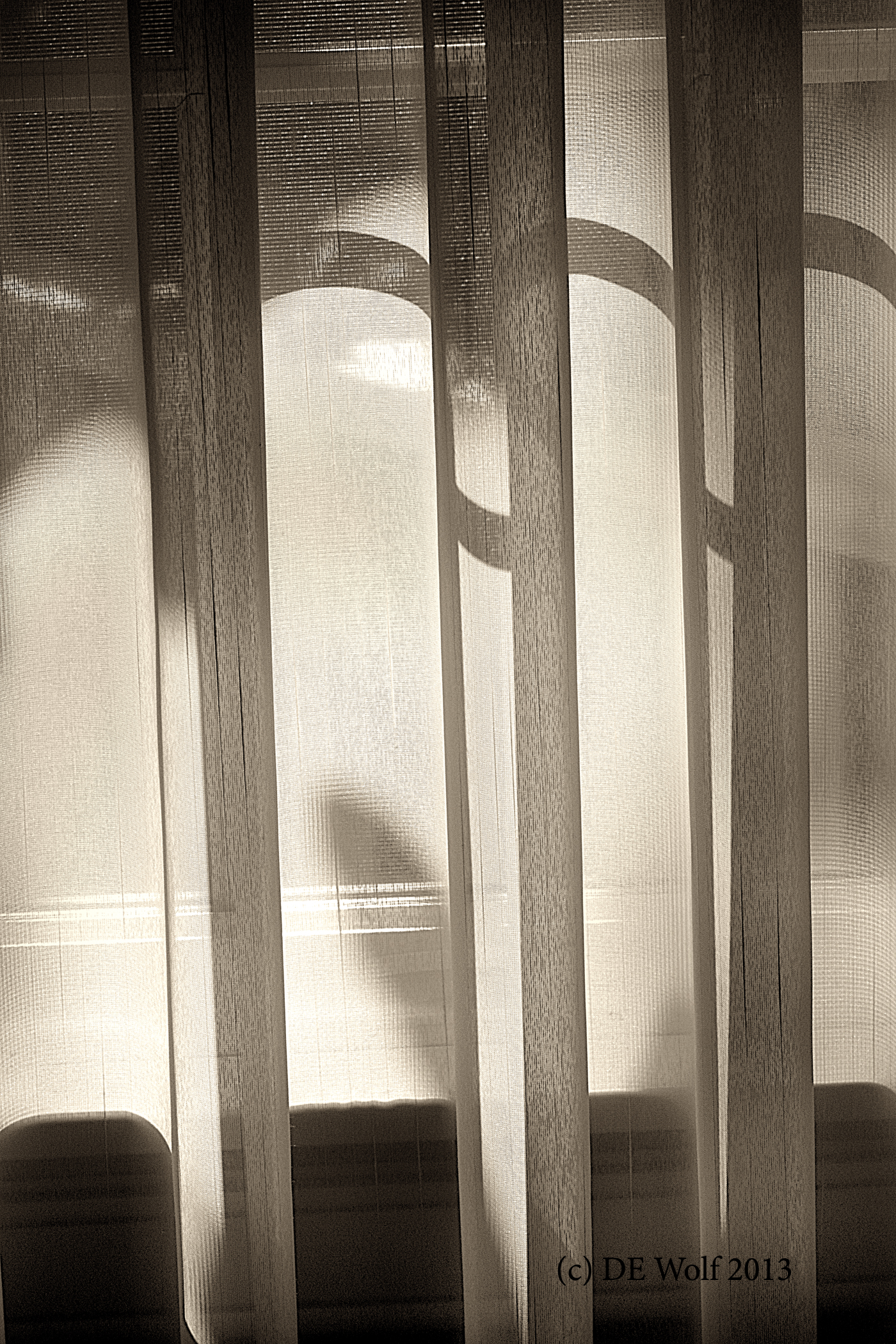
Figure 1 - Morning light diffused through sheer curtains, (c) DE Wolf 2013.

Figure 1 – Morning light diffused through sheer curtains, (c) DE Wolf 2013.

Yesterday, I was doing what photographers do, namely experimenting with semidiffuse light.  Let’s start with a few definitions.  Suppose that you are out on a bright cloudless day.  The sun acts as a point source of light, just like a flashlamp.  As a result, you get sharp shadows, which generally translates to high contrast in your photographs.  This is nondiffuse light.  Such light sources tend to create specular reflections off  mirror like or shiny surfaces.  On the other hand, if the sun is shining through clouds the light is bounced around until it is coming at you from all directions.  There’s another way to create a diffuse light and that is by bouncing the light off a rough surface. Both of these reduce the contrast in the image.

Figure 2 - Carpet shadows, (c) DE Wolf 2013.

Figure 2 – Carpet shadows, (c) DE Wolf 2013.

So, what I’ve said is that there are two ways to diffuse or soften the light.  First, you can pass it through a scattering medium like a cloud.  Second, you can bounce it off a rough scattering surface.

Things can get really interesting when you start to work with semidiffuse light.  Yesterday, I took the photograph in Figure 1, of highly intense directional light being diffused as it passed through sheer curtains.  Notice how you can just make out some of the details behind the curtains, but that they are just a bit cloudy.  The intensity of the light and its diffusion creates a very dreamy illumination that, to me anyway, screams out “morning.”

Figure 2, on the other hand, uses light that has filtered through a forest of leaves, thus losing some of its directionality.  The shadows of the leaves and the window frame are fuzzed out.  The light is then further diffused by the texture of the carpet.  All in all it creates a very abstract sense.

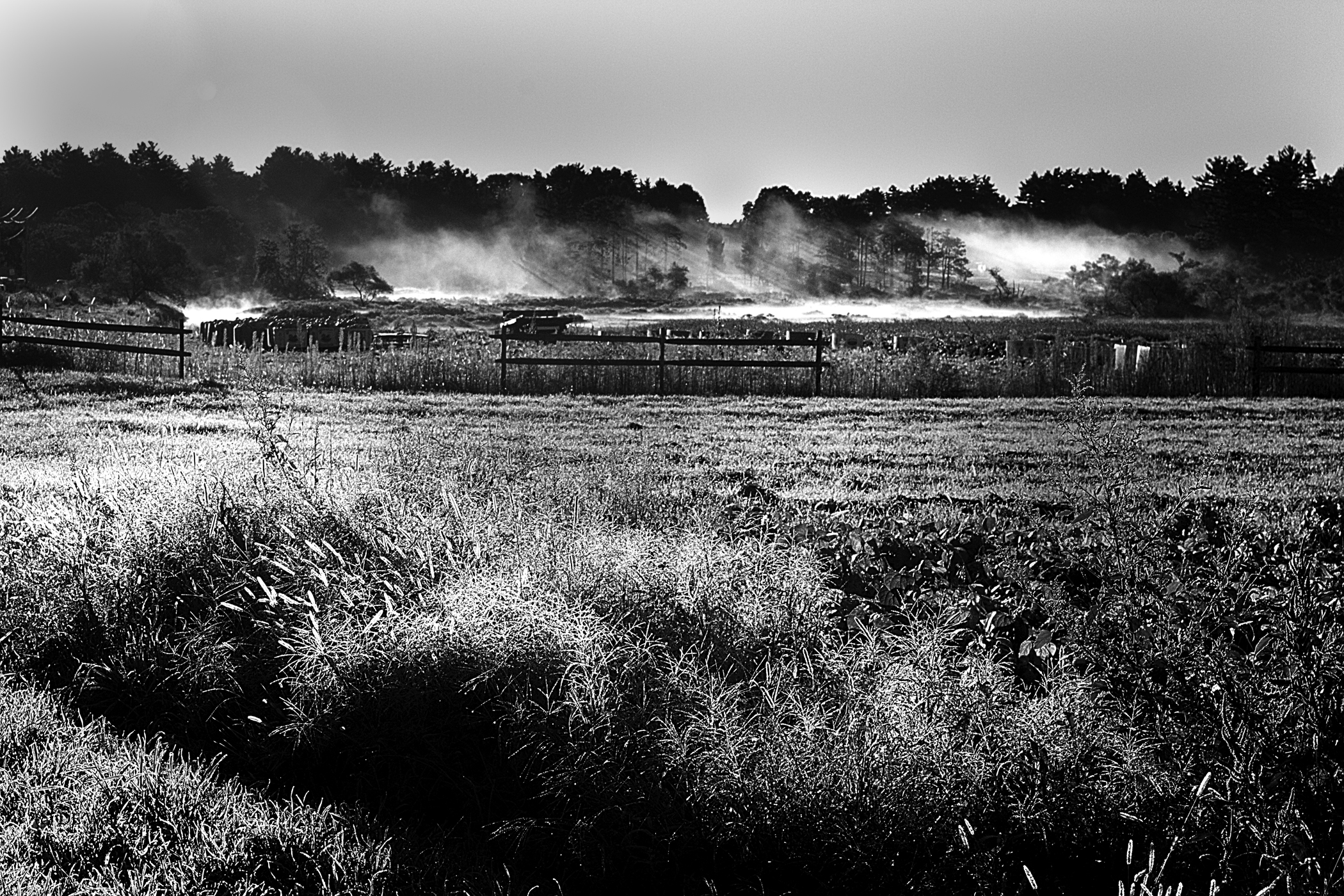
Figure 3 - Morning fog at Brigham Farm, Concord, MA, (c) DE Wolf 2013.

Figure 3 – Morning fog at Brigham Farm, Concord, MA, (c) DE Wolf 2013.

Figure 3 combines both types of light.  It is an early morning scene, taken a couple of weeks ago on my commute to work.  The light is early morning light and very direct.  Notice the sharply illuminated dew on the plants.  But then notice how the morning fog diffuses the light creating dramatic sunbeams.

I am hoping that I have demonstrated the point that semidiffuse light can create very dramatic effects.  And when you are really successful these effects can be quite magical.

Brooklyn’s Grand Army Plaza

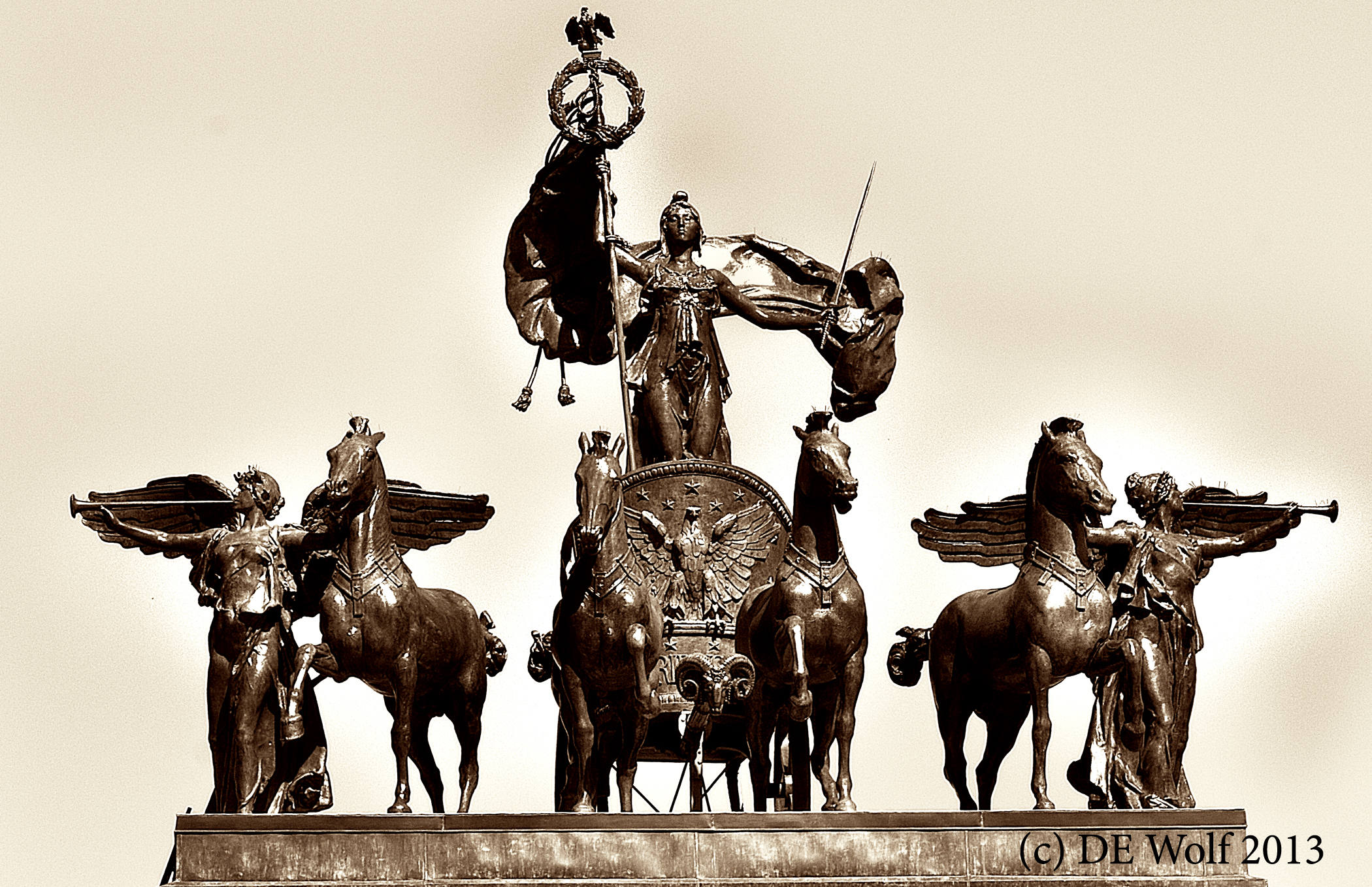
Figure 1 - Columbia and the victories atop the triumphal arch at Brooklyn's Grand Army Plaza, (c) DE Wolf 2013.

Figure 1 – Columbia and the victories atop the triumphal arch at Brooklyn’s Grand Army Plaza, (c) DE Wolf 2013.

When I was in college, Brooklyn, NY was seriously on the wane.  It was the Brooklyn of Thomas Wolfe’s short story, “Only the Dead Know Brooklyn,” a place obscure, whose time seemed past, yet was full of a kind of vibrancy that was reflected best in its ethnicity.  I remember thinking however, about all the past glory that was so evident in its parks, public edifices, and brownstones.  And I would palpably wish that somehow time could be reversed and Brooklyn restored to its former glory.  Well, today in a sense time has been reversed.  It’s wonderful to find this somewhere other than in physics. Brooklyn has undergone and is continuing to undergo a wonderful metamorphosis.  The fact raises, even in the most cynical, one’s recognition of the important point that cities are meant to be lived in, and that it is not, a priori, a fact that they should be unmanageable.  The Brooklyn of today is an exciting amalgam, which is really what it was meant to be.
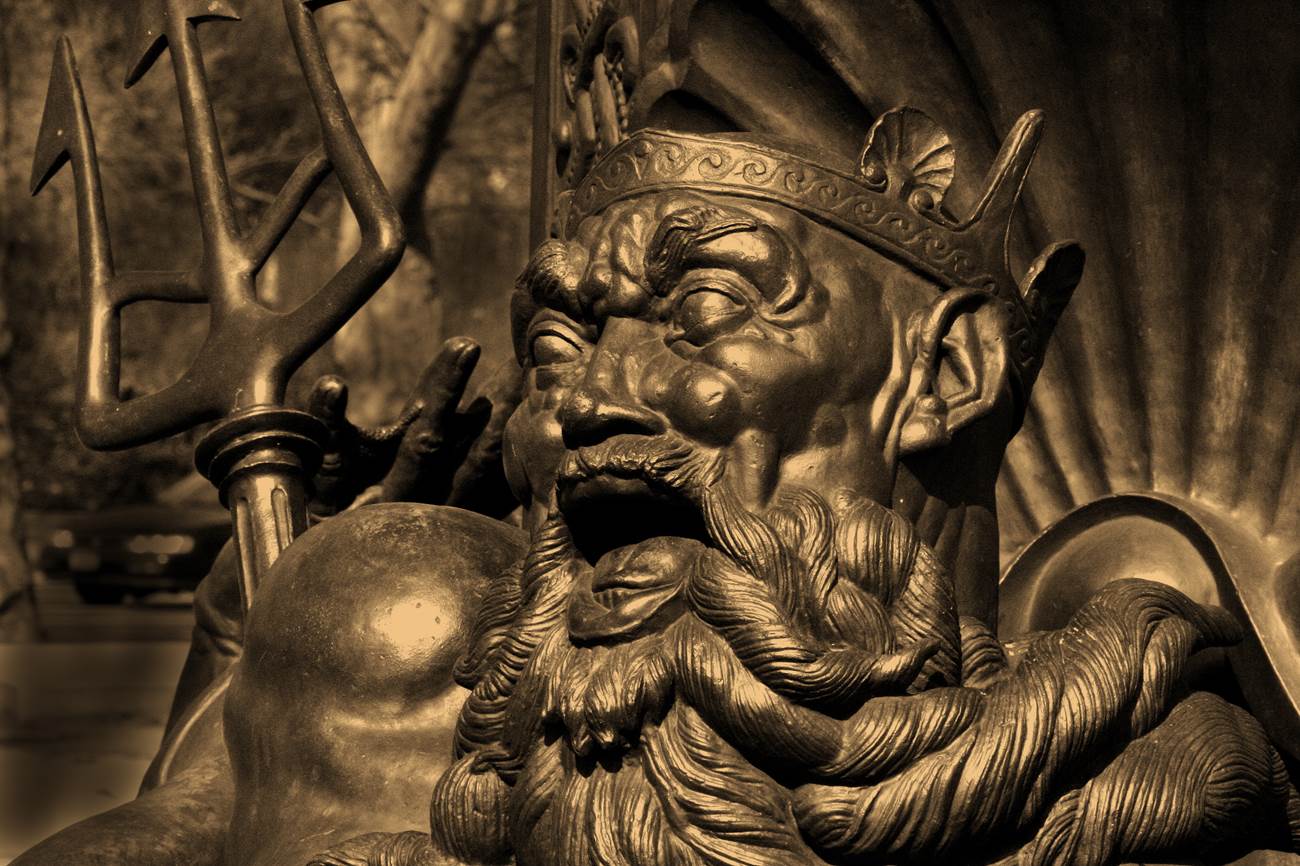
Figure 2 - Detail of Francis Savage's Neptune, the Grand Army Plaza, Brooklyn, NY, (c) DE Wolf 2013.

Figure 2 – Detail of Eugene Francis Savage’s Neptune, the Grand Army Plaza, Brooklyn, NY, (c) DE Wolf 2013.

My only regret, and I suspect that this is a minority opinion is that the Barclay’s Center never achieved the grand schemes that Frank Gehry originally envisioned for it.  I find that a major disappointment.  If in search of grandeur one has to return to the old magnificent Brooklyn.  Happily it is still there, with new life breathed into it.
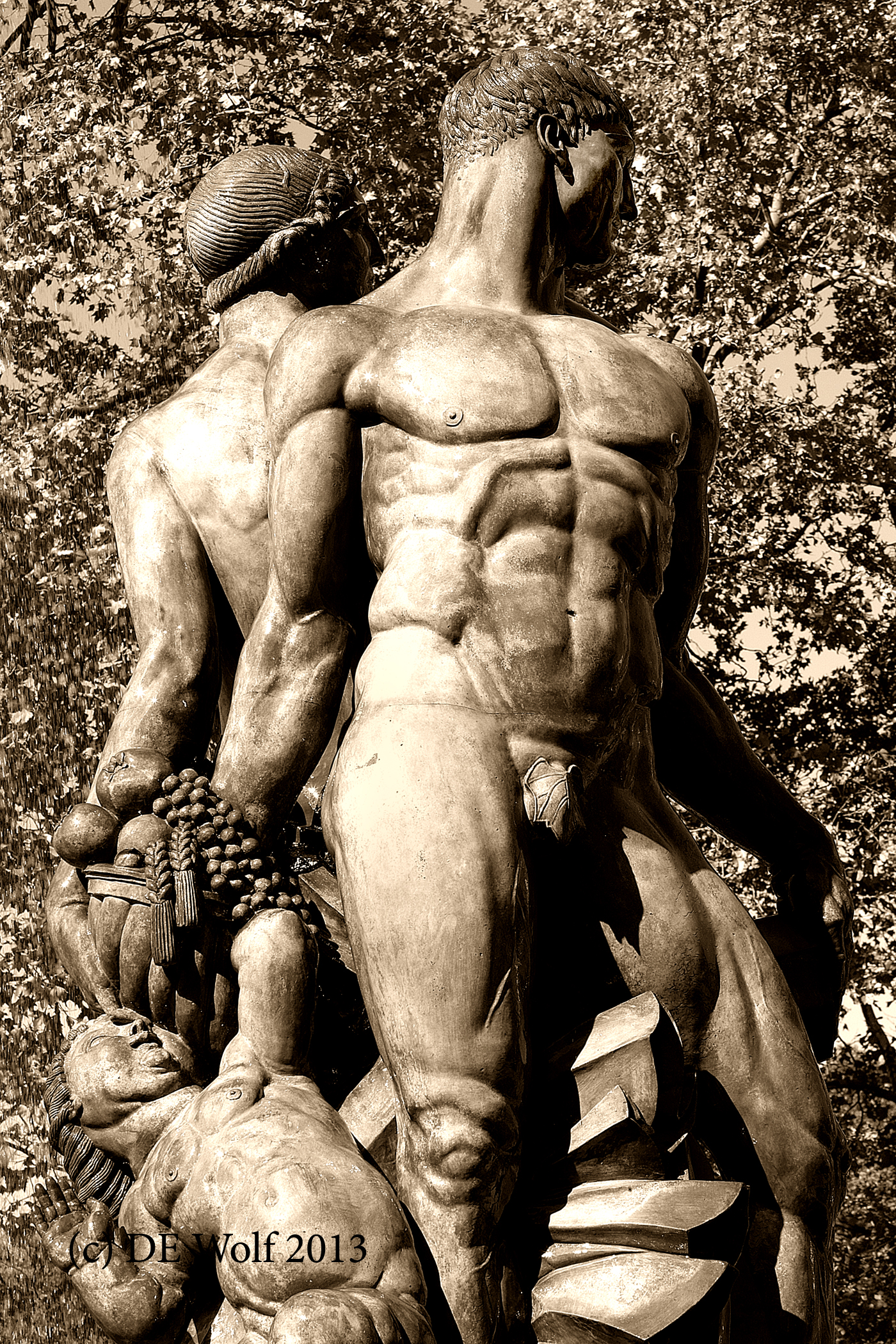
Figure 3 - Detail from Eugene Francis Savage's Bailey Fountain, Felicity and Wisdon, (c) DE Wolf 2013.

Figure 3 – Detail from Eugene Francis Savage’s Bailey Fountain, Felicity and Wisdon, (c) DE Wolf 2013.

And as always, the epicenter of all of this has to be  The Grand Army Plaza.  For photographers it has to be a Mecca.  The term Grand Army can mean only one thing and this is emblazened on the top of the Soldiers’ and Sailors’ triumphal arch beneath Frederick MacMonnies Quadriga: “Defenders of the Union 1861-1865.”  The Quadriga depicts the lady Columbia, an allegorical representation of the United States, riding in a chariot drawn by two horses, while two winged Victory figures, each leading a horse, trumpets Columbia’s arrival.  Just marvelous!

The Grand Army Plaza is the dramatic main entrance to Olmstead and Vaux’s  Prospect Park.  The Plaza consists very dramatically, albeit somewhat at the pedestrian’s peril (particularly one whose mind strays away from traffic to the perfect photograph), of concentric oval rings arranged as streets.  The outer ring is Plaza Street. The inner ring was originally meant intended to be a circle is in fact Brooklyn’s major thoroughfare Flatbush Avenue.  It connects radially eight roads: Vanderbilt Avenue; Butler Place; Saint John’s Place (twice); Lincoln Place; Eastern Parkway; Prospect Park West; Union Street; and Berkeley Place.
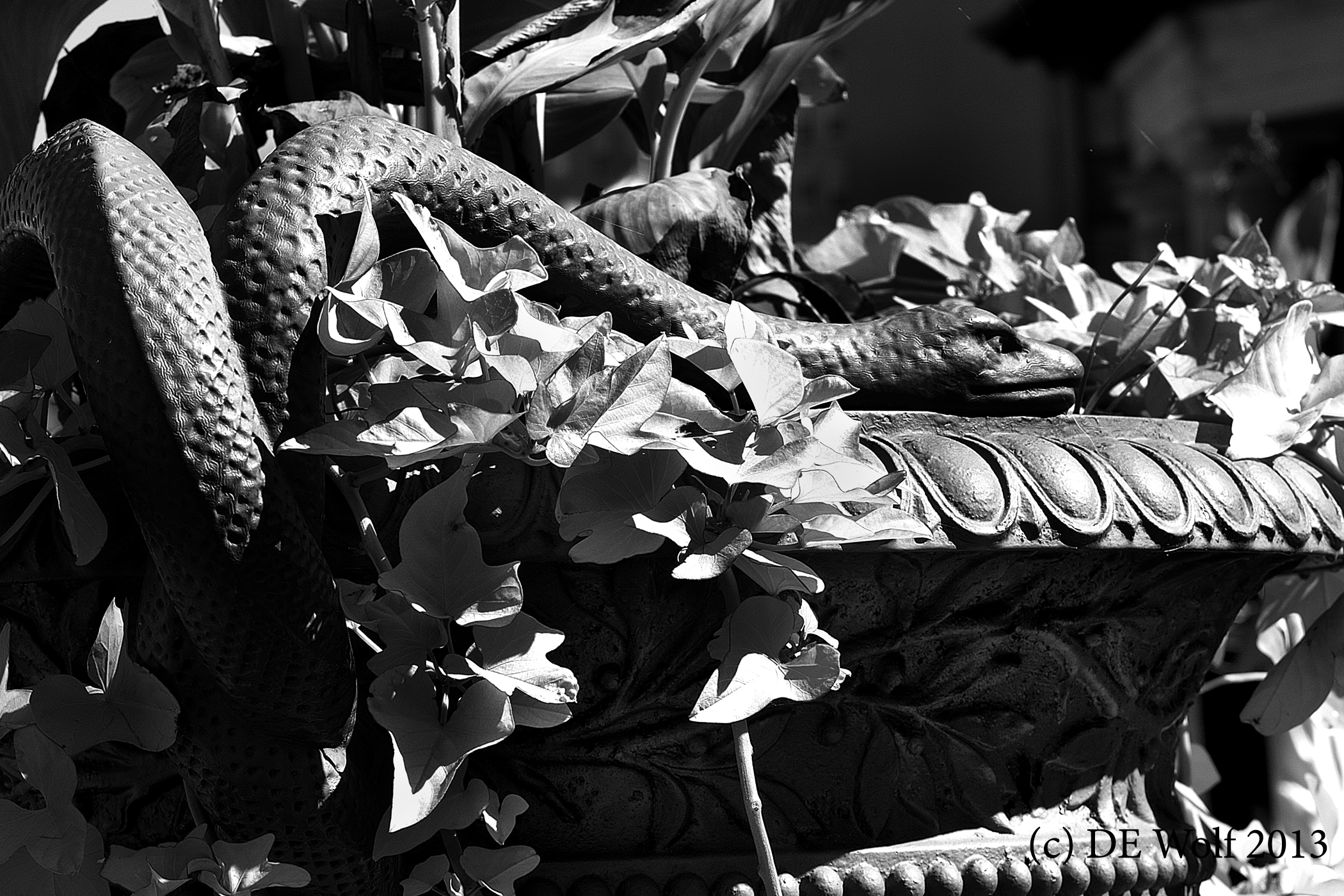
Figure 4 - Snake planters at the entrance to Prospect Par, Brooklyn, NY, (c) DE Wolf 2013.

Figure 4 – Snake planters at the entrance to Prospect Par, Brooklyn, NY, (c) DE Wolf 2013.

In addition to the Plaza and the Park are three of Brooklyn’s most impressive landmarks: The Brooklyn Botanic Garden, The main branch of the Brooklyn Public Library, and Brooklyn Museum.  I think quite literally that I could spend many months photographing within a half mile of the Plaza.  Needless-to-say one’s photographic wanderings are personal and a bit quirky.  For me the goal is not to document the architecture but to photograph what the light strikes on a given day and therefore grabs your fancy.

For me the first focus is always philanthropist  Frank Bailey’s  (1865-1953) fabulous Neptune Fountain.  It was built in 1932, a collaboration between by architect Edgerton Swarthout and sculptor Eugene Savage.   The fountain, a dramatic sculptural waterwork includes  central bronze sculptures of male and female figures atop the prow of a ship.  These represent Wisdom and Felicity and are surrounded by Neptune himself, his attendant Triton, and a boy holding a cornucopia.   To me personally the only material that compares to bronze in being photogenic is marble.  And here you have the magic of bronze combined with water.  What I really need to do is visit this fountain at different times of day to get different illuminations.  Figure 2, an image of Neptune I have posted before and is one of my favorites.  Figure 3 I took last weekend of Wisdom, Felicity, and the boy with the cornucopia.    My only problem is that I would have preferred to get a face on image, but the lighting wasn’t right.
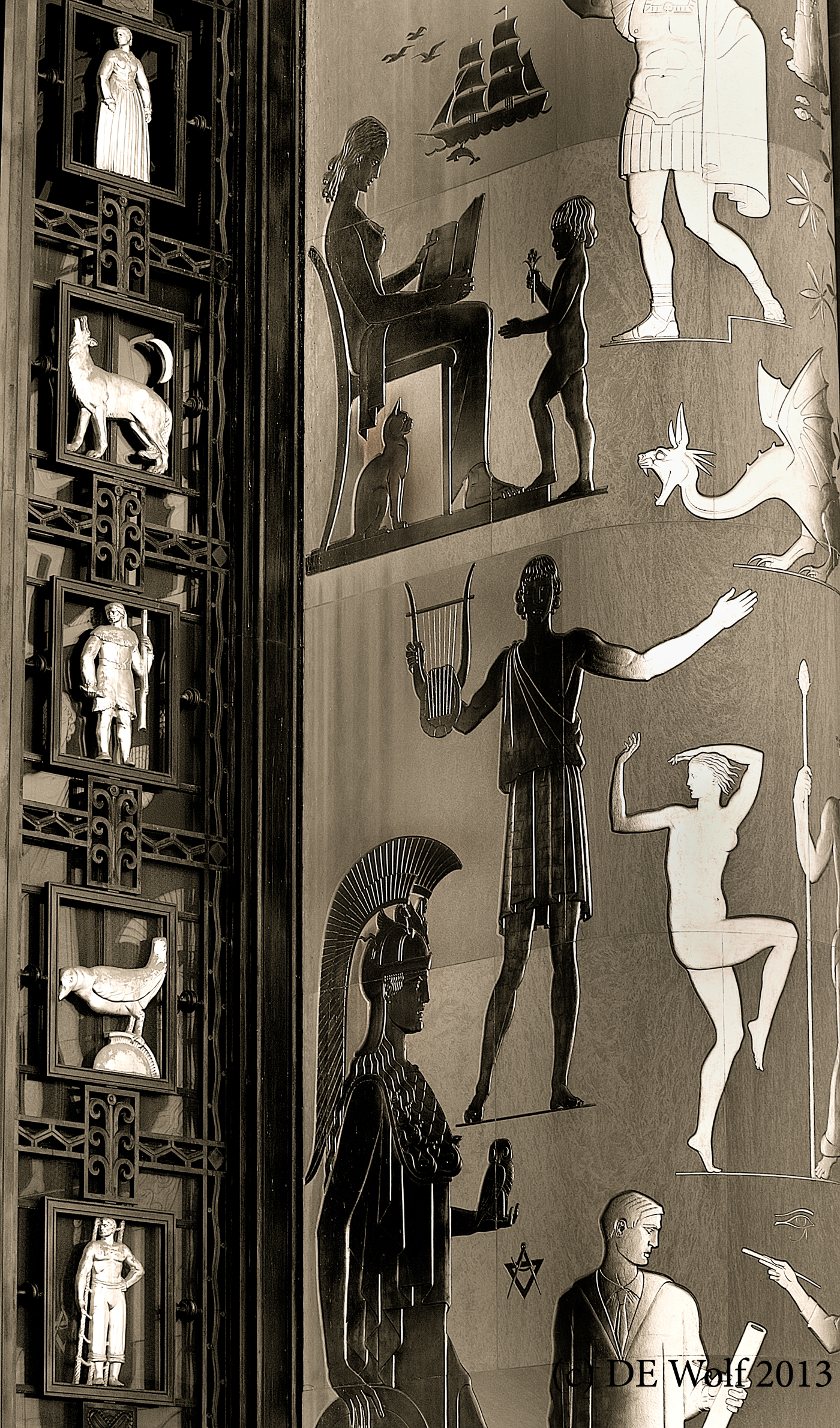
Figure 5 - Facade of the Brooklyn Public Library, (c) DE Wolf 2013.

Figure 5 – Facade of the Brooklyn Public Library, (c) DE Wolf 2013.

Poking further around the Plaza, I was very much taken by the snake garden planters that adorn the entrance of the park.  One of them is shown in Figure 4. From there I climbed the library steps and photographed the art deco main entrance of the library (desisigned by sculptors Thomas Hudson Jones and Carl P. Jennewein. Take note: The bronze screen above the entrance features beloved characters from American literature..  Figure 5 catches a bit of the famous door with its golden literary figures.  The ones shown in my picture top to bottoms are: Meg (from Little Women by Louisa May Alcott), White Fang (from the novel by Jack London),  Natty Bumppo (from James Fenimore Cooper’s Leatherstocking Tales), The Raven (from the poem by Edgar Allan Poe), and Richard Henry Dana, Jr. (author and narrator of Two Years Before the Mast).

The Grand Army Plaza, Prospect Park, and the surrounding neighborhoods are fertile grounds for photographic discovery.  And what you discover, I believe is an important connect or link between three Brooklyns: the Brooklyn of the gilded age, the Brooklyn of the art deco period, and the vibrant hipster-ethnic Brooklyn of today.  Maybe Thomas Wolfe put it best, and maybe he had us photographers in mind when he said:

Dere’s no guy livin’ dat knows Brooklyn t’roo an’ t’roo, because it’d take a guy a lifetime just to find his way aroun’ duh goddam town.”
Hydrangeas

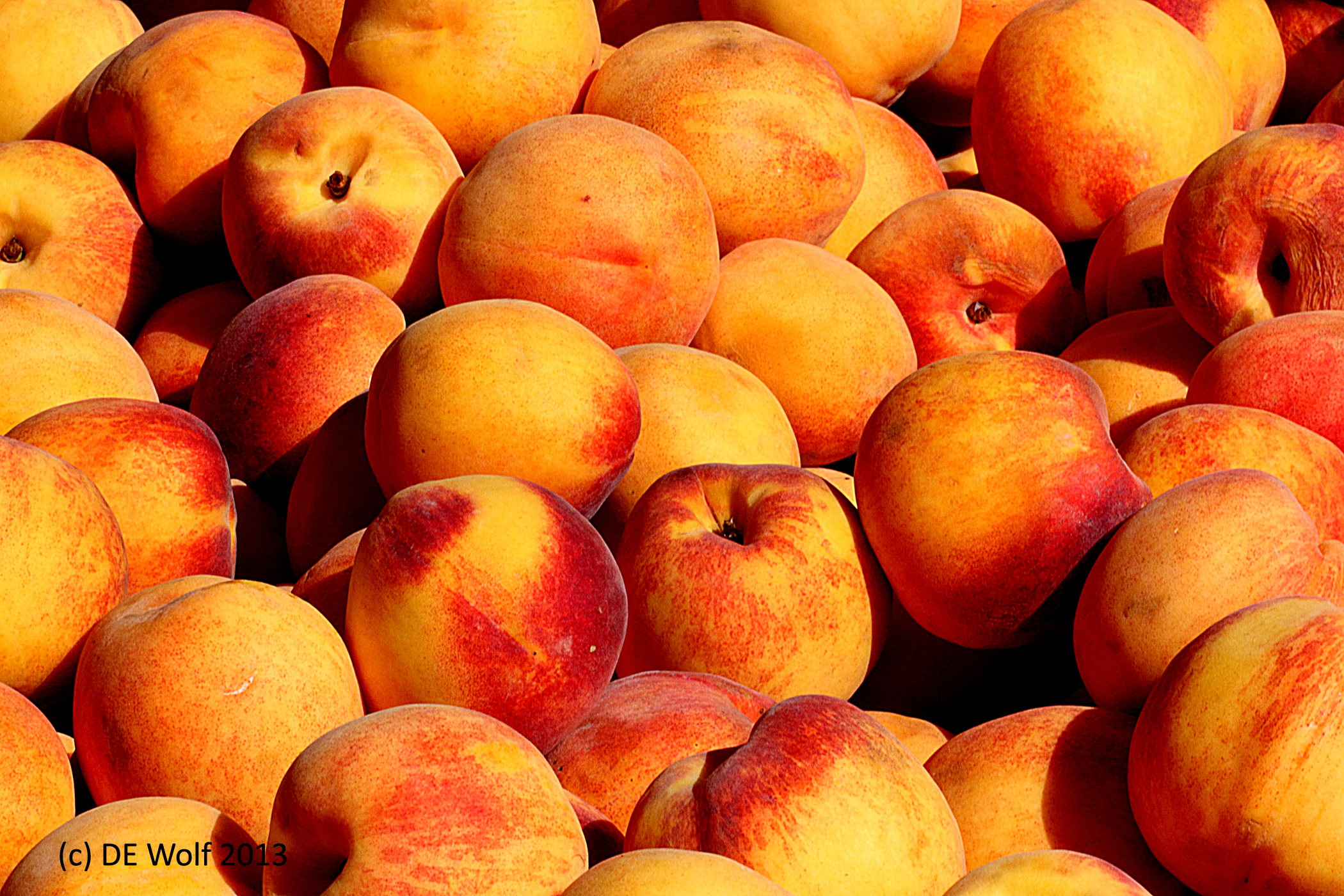
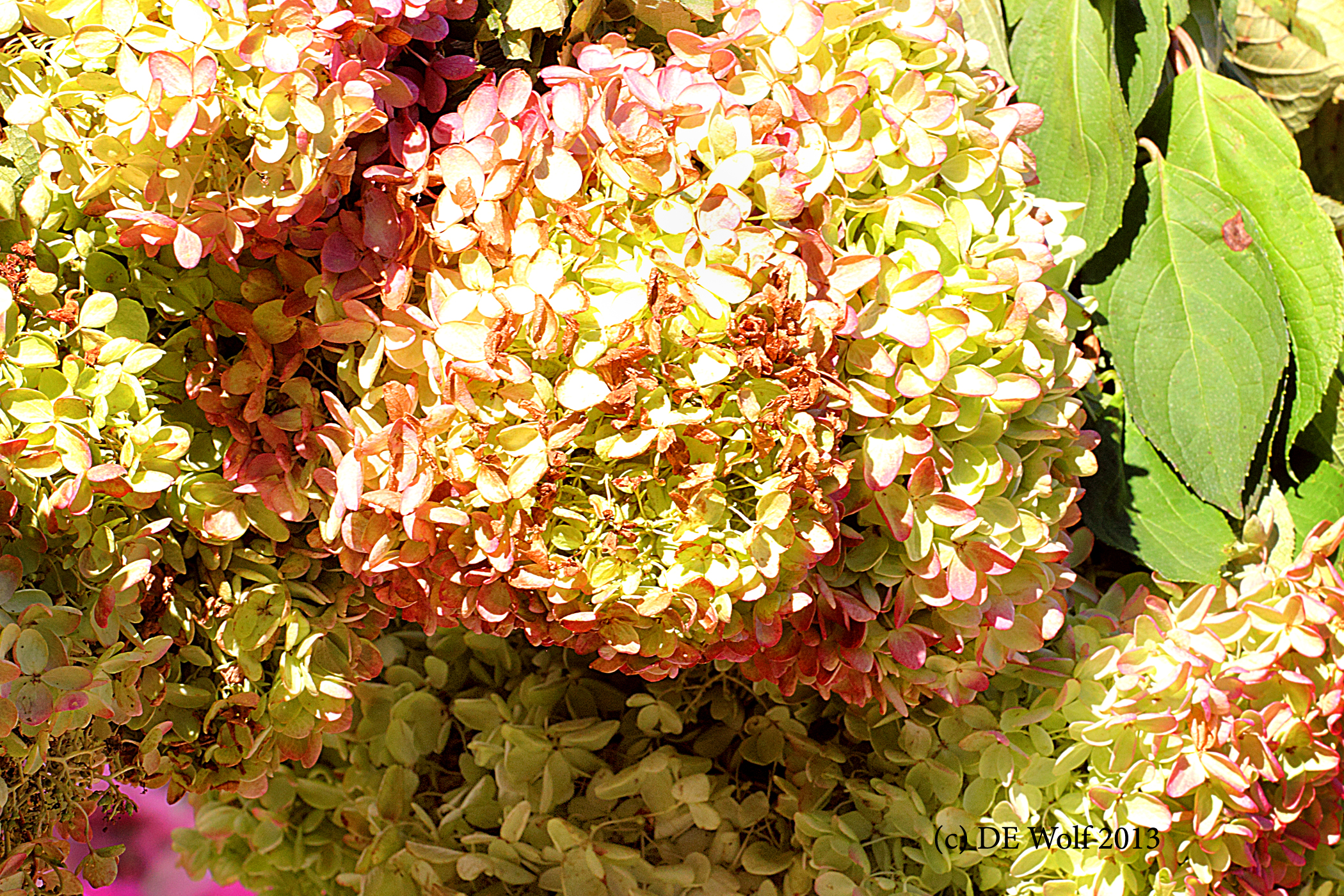
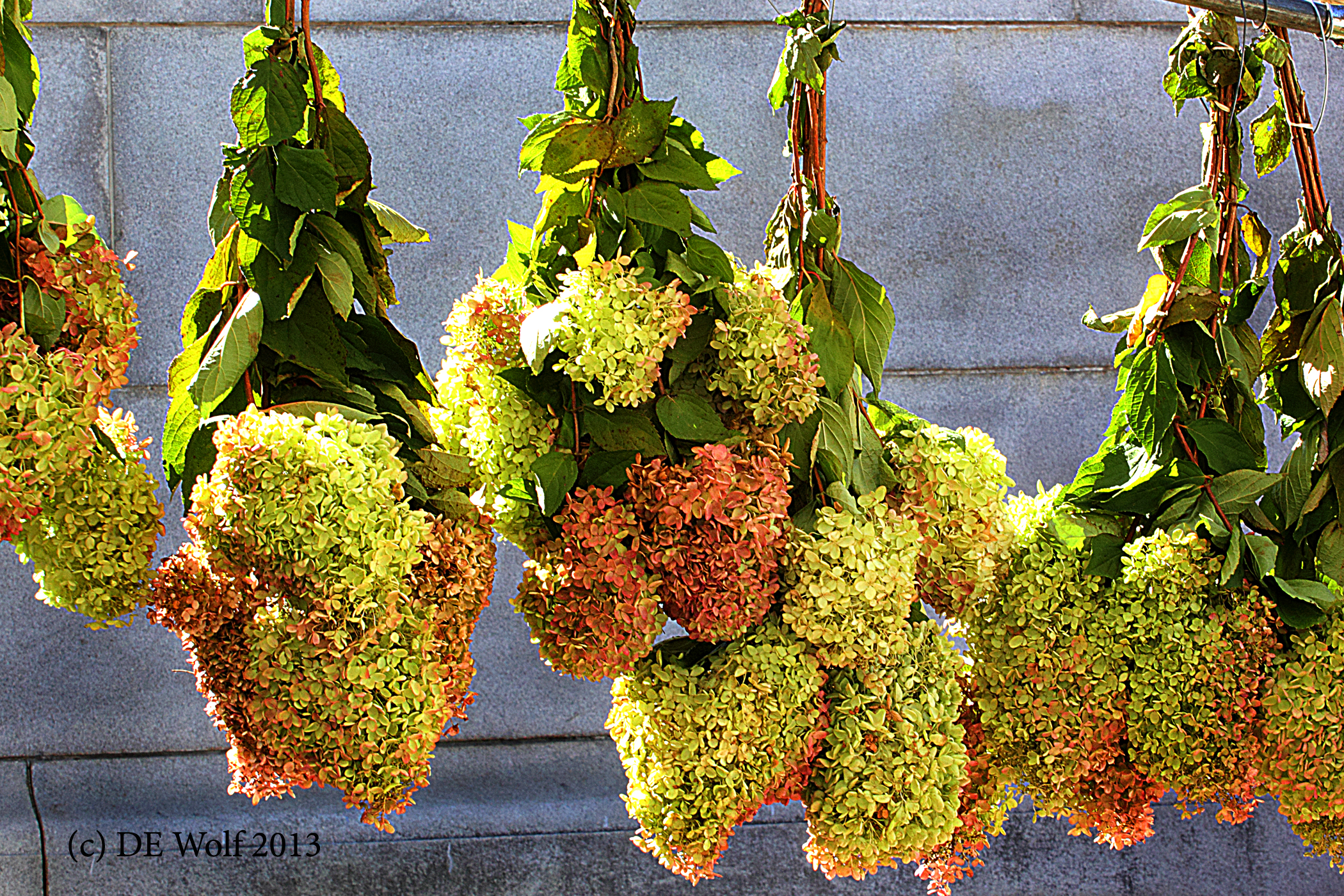
Figure 1 - Hydrangeas # 1 (c) DE Wolf 2013

Figure 1 – Hydrangeas # 1 (c) DE Wolf 2013

I know that this is going to shock the more ardent gardeners among my readers but there are two wonderful aspects to autumn.  The first is the magical colors and light for photography, and the second is that it is time to let one’s garden go to seed.  After a season of feeding my “Endless Summer” hydrangeas aluminum sulfate to keep them blue, I am delighting in the way that the early and warm October light is catching the subtle pink and green tones of hydrangea gardens.

Last weekend we visited the farmer’s market at the Grand Army Plaza in Brooklyn, NY.  The weather and the late morning light were, well picture perfect and I had a great time photographing vegetables, plants, and of course statues.  One stall was selling dried hydrangeas, hung upside down and glistening in the sun.  It was a very fitting end to summer and raised the point that, while autumn is color, not all of it has to be brash and dramatic.  Here the all magic is in the subtle pastels.

Figure 2 - Hydrangeas #2 (c) DE Wolf 2013

Figure 2 – Hydrangeas #2 (c) DE Wolf 2013

The first touches of autumn

Figure 1 - First touches of fall, (c)  DE Wolf 2013

Figure 1 – First touches of fall, (c) DE Wolf 2013

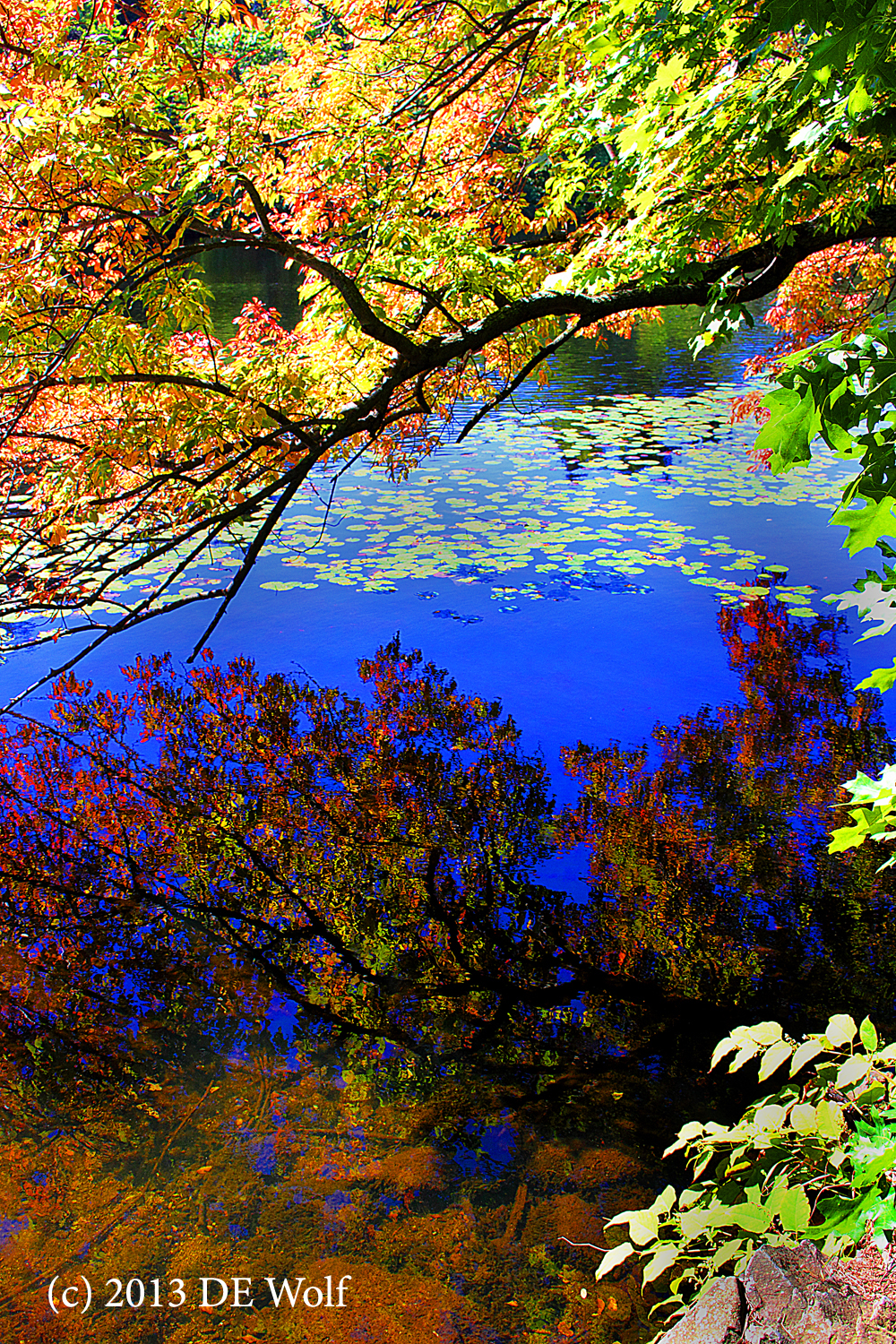
I tend to write my blog a week or so ahead.  So this picture was taken in late September.  Some of my readers may have seen it already on Facebook, but I wanted to share it with all of my readers.  Fall is a poetic time for New England photographers.  There is rich golden morning light and slowly the beautiful colors evolve.  This picture was taken along the Charles River Reservation below the Watertown Center Bridge and shows “the first touches of autumn.”  I was taken by the pastel beauty of that particular afternoon:  The fading summer lily pads, the leaves starting to turn, the wonderfully blue shy reflected in the water, and the dull brown tones of the rocks beneath the surface.

In processing I allowed myself a little bit more color saturation than I would usually use.  In general when toning a black and white or adjusting color in a color image I cut back a bit from what strikes my eye, in fear of the color looking artificial.  Here I liked the effect.  The image seems to me to be more a painting than a photograph, or maybe a tribute to Claude Monet andmodern impressionist Debra Gold.

Thirteen ghoulish photographs for Halloween

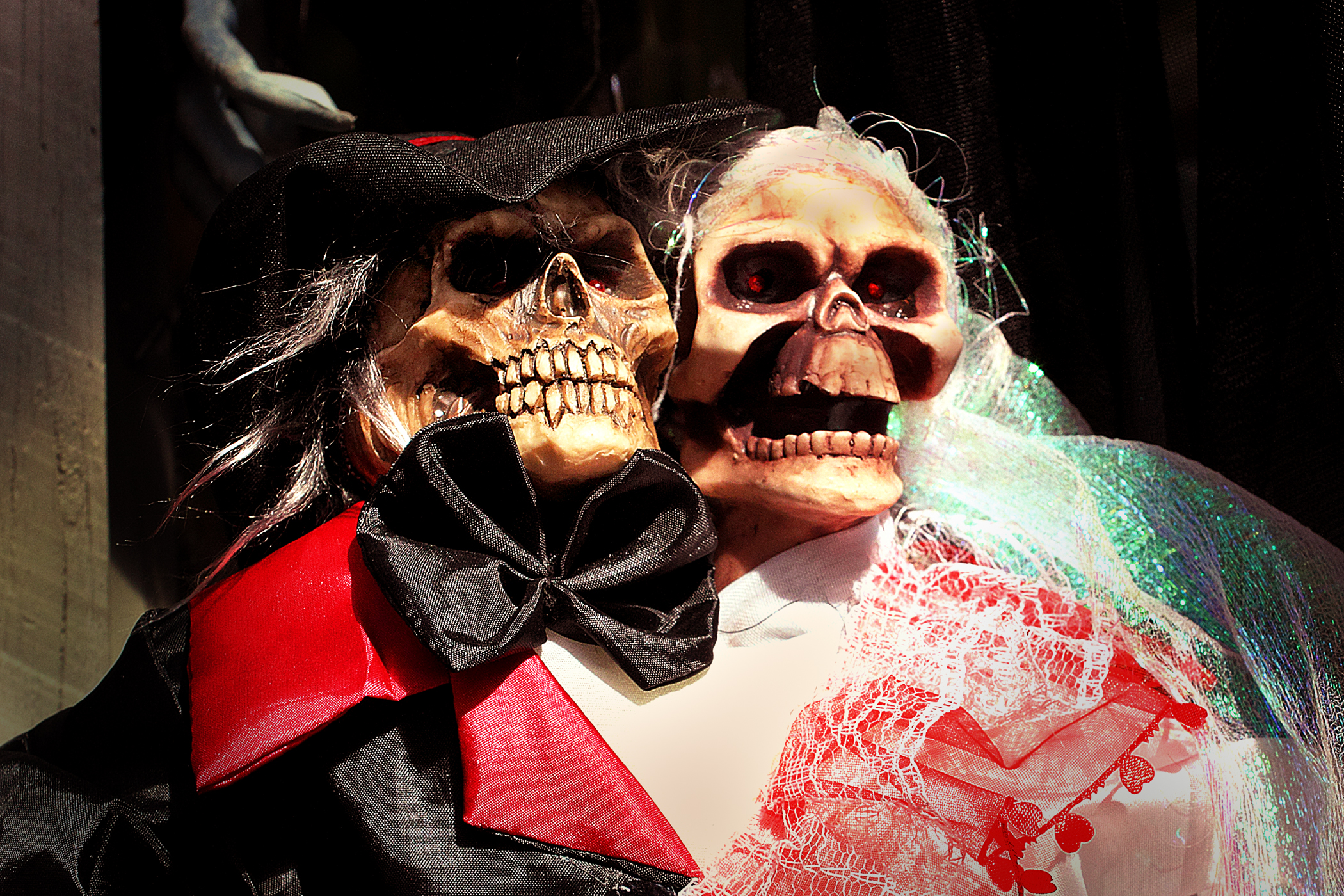
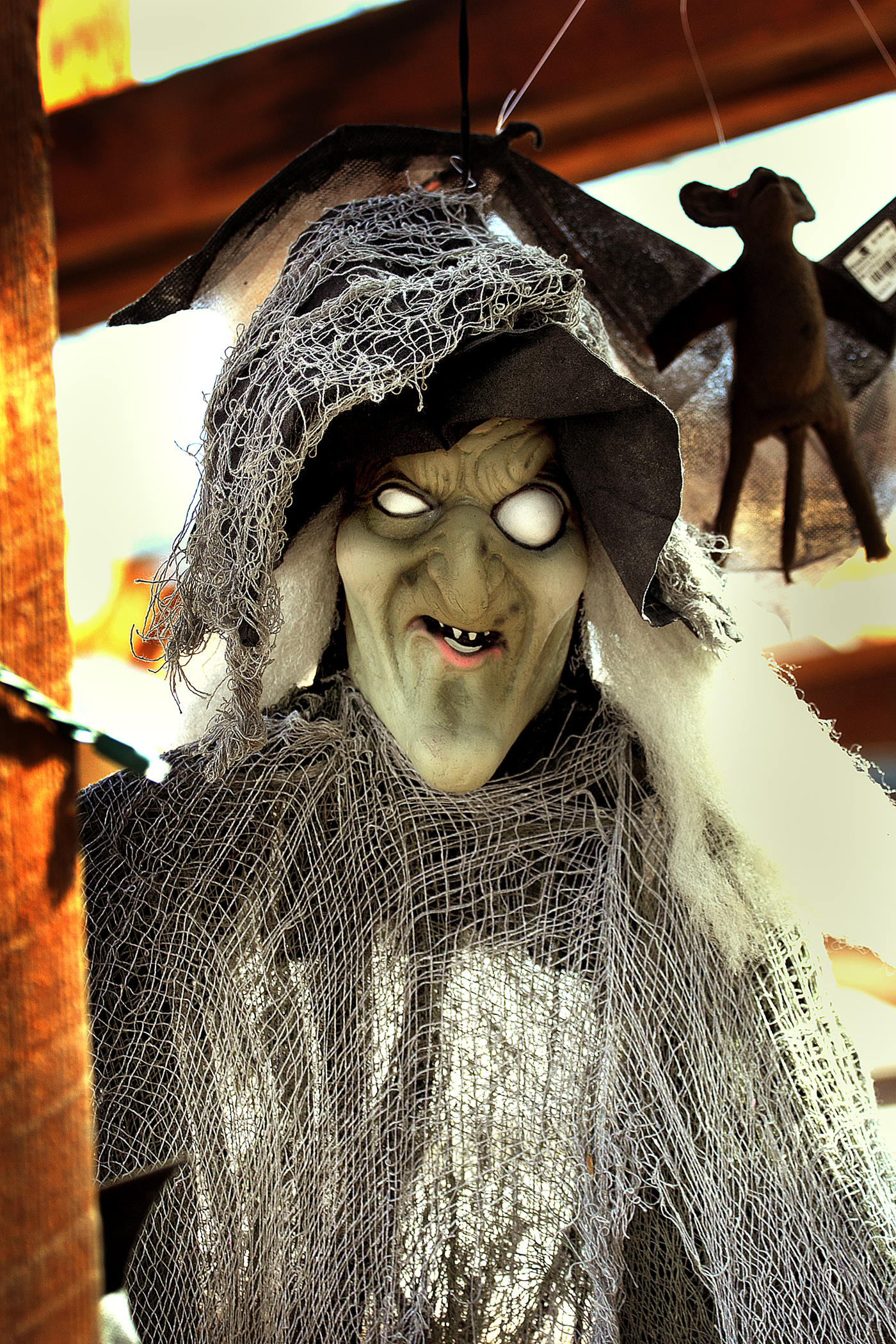
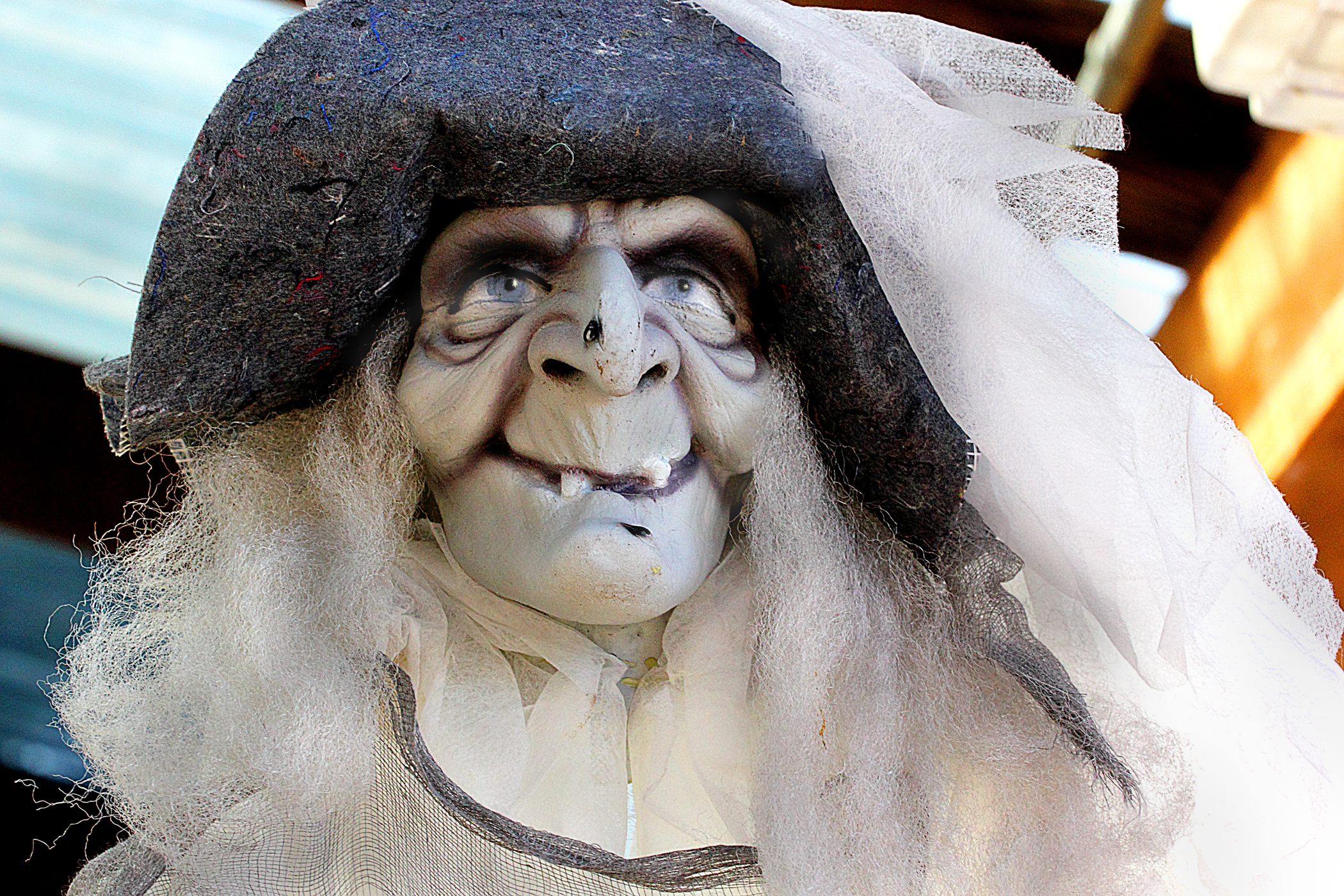
It is October First and in New England that means that it is time to get excited about two things: fall color and Halloween.  I have prepared a photoessay entitled “Thirteen ghoulish photographs for Halloween.”  They are pictures of Halloween Wind Decorations.  All are fun.  Some are outright scary!  I’m inserting them as a slide show here, but you can also find them in a temporary gallery called “Halloween 2013.”

[slideshow_deploy id=’3819’]