The coming solstice

Figure 1 - Diffuse light, (c) DE Wolf 2013.

Figure 1 – Diffuse light, (c) DE Wolf 2013.

Well, here we are December 11, 2013 and the earliest sunsets of the year in Boston.  That is something I really hate!  It has been grey and gloomy, and the solstice is very near.  There has already been snow and ice.  I am refusing to let it get me down.  People are dressed in bright seasonal clothes.  I spent a half an hour on Sunday watching the children and parents in line at the Mall, waiting for Santa Claus.  I was going to take a few pictures, but he apparently was running late.  Too many reindeer to feed?

There are pictures to be taken – even in the seemingly drabbest light and most mundane things.  I amused myself taking this IPhone image of the sun bravely trying to break through thick December clouds and then through a tightly woven pull-curtain.  It is, I think, a tribute to the beauty of diffuse light. I’ll take the Moiré pattern as an added bonus.

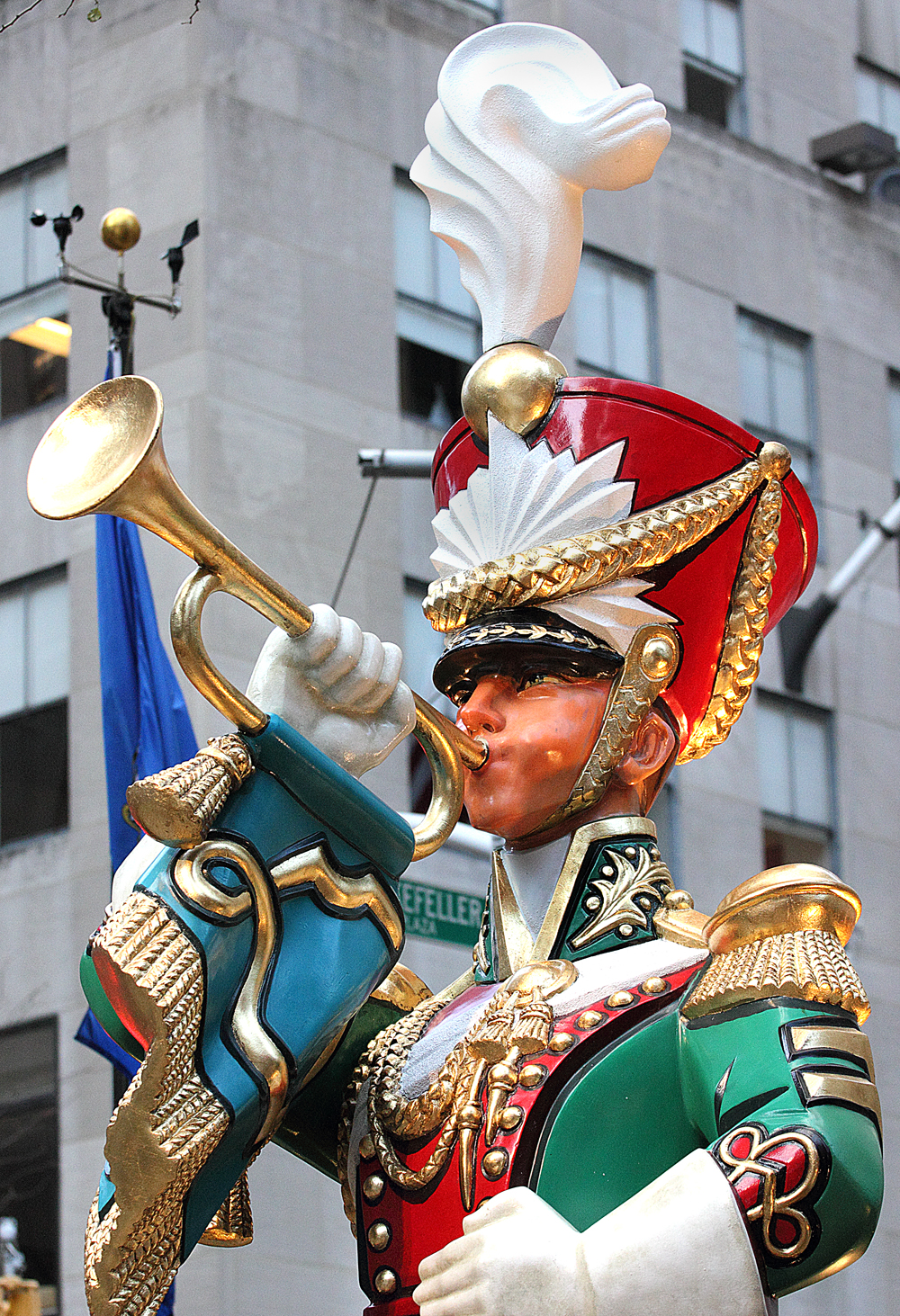
Heralding in the season or freezing my **** in NYC

Figure 1 - Heralding in the Winter Season, (c) DE Wolf 2013.

Figure 1 – Heralding in the Winter Season, (c) DE Wolf 2013.

If you’re not from the United States the term “Black Friday” may conjure up an image of some kind of Satanic rite, or worse.  It is, in fact, a massive pilgrimage of shoppers to the stores in search of what are meant to be fantastic bargains.  I have never found these bargains, nor have I any interest in them.  They seem chimeras, hollow ghosts, delusions, and  fabled tributes to the age old say that if it seems too good to be true, it probably is.  However, can be fun to plunge yourself into the midst of it all, especially if you happen to be in New York City.  Just don’t spend the usurious sales tax on your bargains!

So after a fine trip to the Metropolitan Museum, the Friday after Thanksgiving, my wife and I decided to check out the scene on Fifth Avenue in midtown.  Let’s be clear here, NYC is miserable in the cold – especially when winds kick up micro-tornadoes in the caverns between buildings.  Getting about is an art form, that requires striking a balance between drinking enough coffee to stay warm and making sure that you have left yourself enough time to get between acceptable restrooms.  The term acceptable is operative here.

There are about two and a half months in the Northeast when we almost envy the folks who live in Arizona and Nevada. But then we realize that, in principle at least, you can always don another layer of clothing to save yourself from imminent death from cold, whereas at the other extreme, living at the edge of temperature habitability, if the electricity and air conditioning fails there is nothing you can do to save yourself from roasting to death – and the water crisis is something else.

OK, so grin and bear it.  The only way to beat the cold is to embrace it!  Licking street poles however remains unwise – what your mother refers to as “risky behavior.”  I ponder the people crowding Rockefeller Plaza.  There is a little girl wrapped up in a ski-parka with earmuffs, clutching her mother’s hand – as in “Don’t leave me here!”  She has been lured out with promises of a trip to “American Girl” or perhaps to see Santa Claus.  Her cheeks are rosie – just short of frostbite.  There is the smell of hot pretzels and chestnuts.  My father used to take me here.  The vendors are a sight – their skin long dessicated by exposure.   There is an attractive women in a stylish wool coat and high leather boots.  She is on a mission from the future to assassinate the great grandfather of the murderous dictator of the world…  Oh no!  I think my brain is freezing into delirium.  More coffee!  Need more coffee!

I will leave you with Figure 1 that shows one of the giant toy soldiers that surround the Plaza.  He blares a silent trumpet to herald in the season.  Put on an extra layer.  Go out and take some pictures!  It is a glorious time.
A few odds and ends

It’s the day after Thanksgiving and I find myself with a few odds and ends that I’d like to share with you.

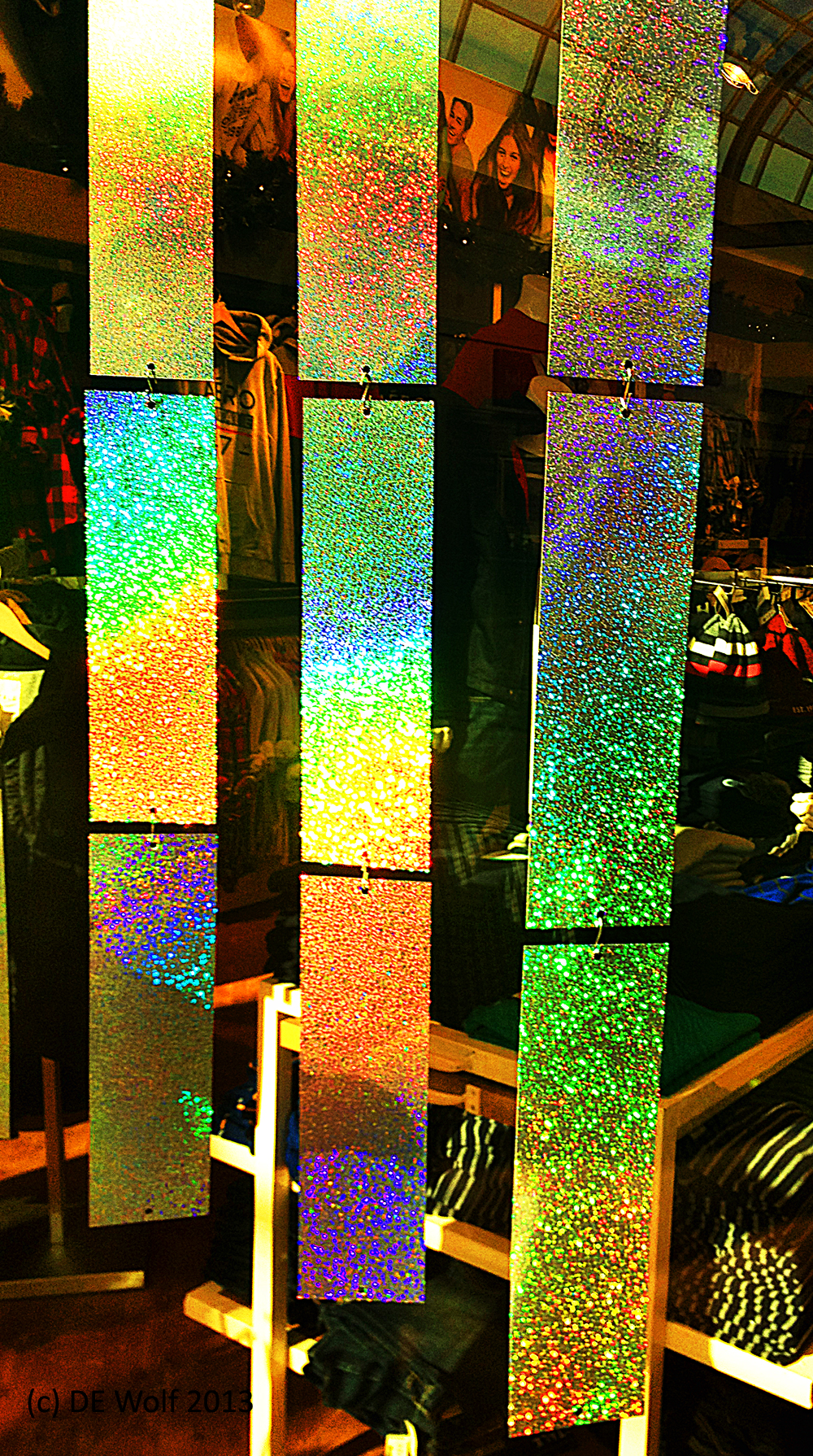
Figure 1 - Aeropostale Diffraction, (c) DE Wolf 2013.

Figure 1 – Aeropostale Diffraction, (c) DE Wolf 2013.

First is a little IPhone image that I took this past weekend of a window display at Aeropostale.  The sunlight shining in was warm and winter bright and they had these vertical blinds designed to catch and diffract the light – very physicist appealing!

Second, I did just a little bit of sleuthing in follow-up to my post “The Transcendence of the vampire,” and I have found that the entirety of the movie “Le Manoir du Diable” – all three minutes of it – can be found on You Tube.  This should not be a surprise.  What is perhaps a bit more of a surprise is that it is fun to watch in a retro 1896 sort of way.

Third, and finally there is a very interesting and amusing column in the NY Times by Daniel Menaker (November 23, 2013) entitled “Taking our selfies seriously.”  The term “selfie” is getting a lot of press this year.  Although as Mr. Menaker points ou,t like all such phrases, it is likely to have its day and then die from selfie-immolation.

Lost image of the New Frontier

This morning I was watching a special “Meet the Press” that featured interviews with John Kennedy, when he was running for president of the United States in 1960.  It kind of takes you back, and it is a bit shocking that Kennedy actually answered the interviewers’ questions.  What a concept! We know that this week marks the 50th anniversary of Kennedy’s assassination in Dallas, TX, and I will have more to say about that later this week.

But the “Meet the Press” clips got me thinking about Kennedy and his image.  Despite the fact that he suffered from Addison’s disease and severe chronic back pain.  He almost always, for the camera portrayed a vigor – or as he said it “vigah.”  If we analyze our collective image of John Kennedy from countless archetypical photographs, he is always impeccably dressed: a suit or even black tie.

However, in the fall of 1960 as the presidential campaign was moving to its close, I went with my mother to see Kennedy’s motorcade head west along East Fourteenth Street in Manhattan.  My mother and I decided to stay back from the crowd which was swarming a block or so up from us, where Kennedy was going to speak.  Then there was the moment.  Kennedy was standing up in his car.  The only way to describe it was that he was bronzed.  His hair had shining streaks of blonde, and he was deeply tanned.  And he was wearing a tan buckskin jacket.  It was what every boy wanted in those days, the ultimate cowboy jacket, and, of course, symbolic of Kennedy’s “New Frontier.”

Kennedy turned, flashed a big smile at my mother and I, and waved.  I have just spent several hours trying to find a picture of Kennedy campaigning in that jacket.  I know that they are out there, but I have not yet been able to find one – a picture that captured that shining moment of Camelot and optimism.


A new light

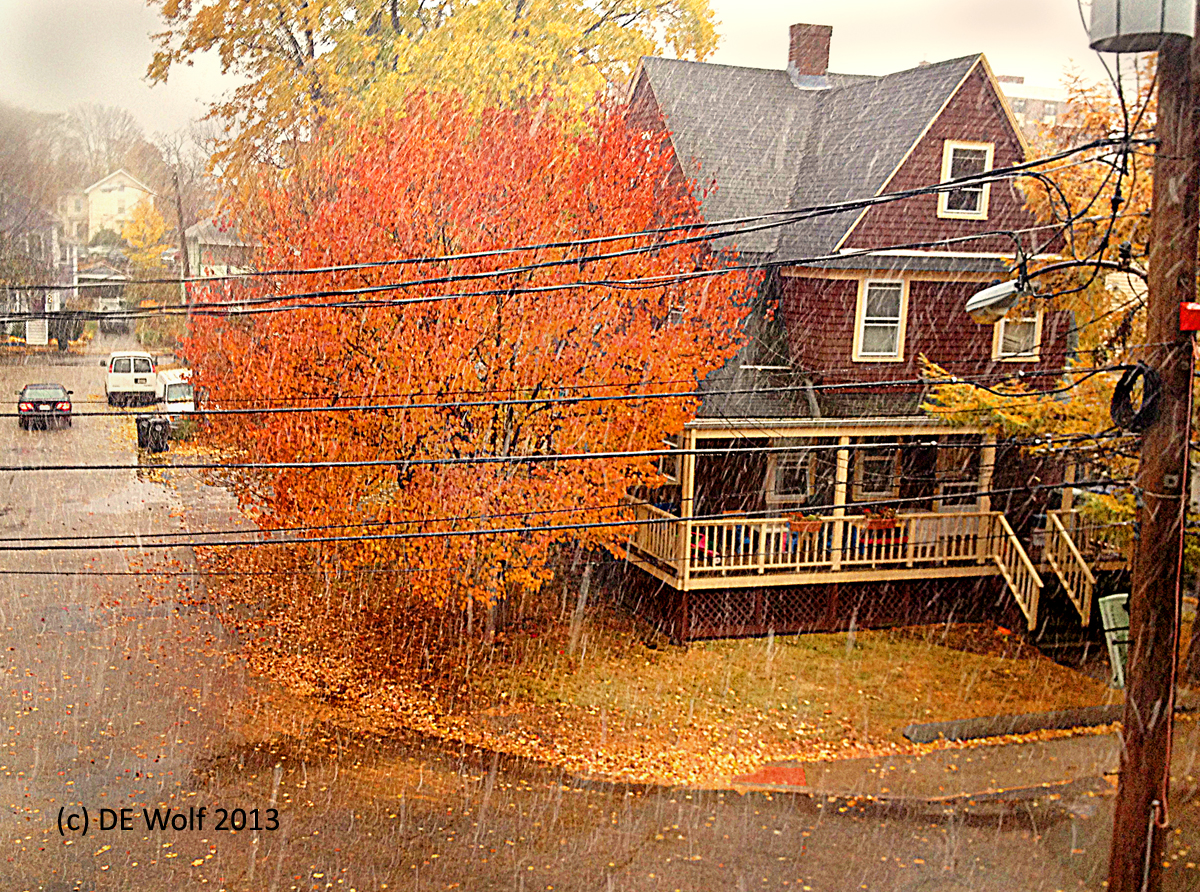
Figure 1 - A Waterton, Ma street during the first snowfall, November 12, 2013. (c) DE Wolf 2013.

Figure 1 – A Watertown, Ma street during the first snowfall, November 12, 2013. (c) DE Wolf 2013.

As I was headed to bed on Monday night the late news was filled with the dire warning of first snow – the snowpocalypse that we have all be dreading since early July, when we first resigned ourselves to the waning length of the days.  Please, people! Get a life!  In any event, there was a lot of meteorological spitting of rain and snow and its mixture sleet during the morning commute.

So when I got into work I decided to snap an IPhone record of the event, see Figure 1.  It is not a great photograph by any means.  It does, however, show the clash of seasons: snow coming down, leaves still exhibiting brilliant color, and even last summer’s geraniums clinging to life in window boxes.

The splendid photographic light of late summer and autumn is now past.  Winter begins to beckon.  The sun will be low, the shadows long.  The sky will take on that deep blue frigid tone and then, of course, there will be snow.  The light is ever changing.  We have to adapt to it.

Modern Fossils

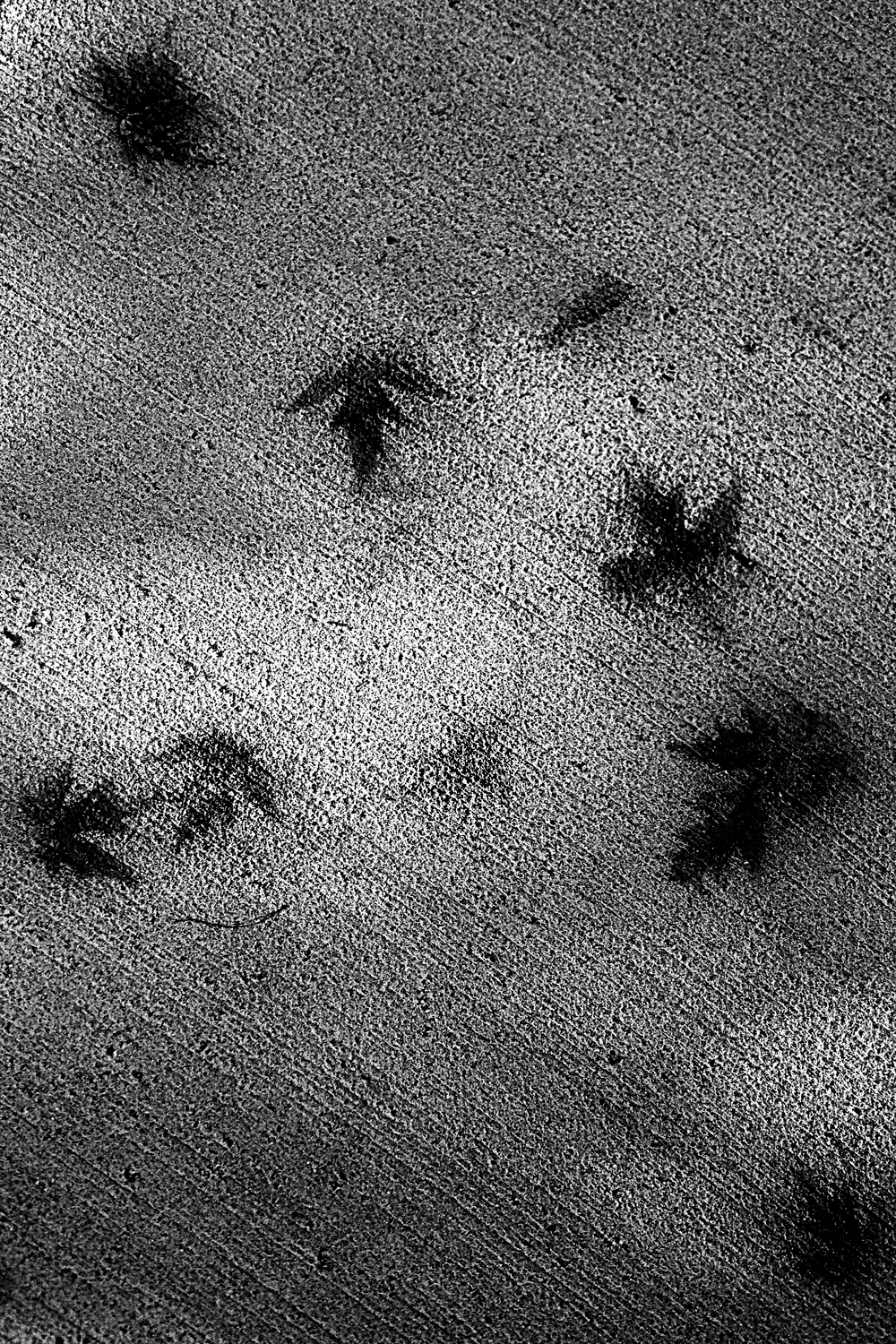
Figure 1 - Maple leaf prints on the pavement, (c) DE Wolf 2013.

Figure 1 – Maple leaf prints on the pavement (IPhone photograph), (c) DE Wolf 2013.

I went out for a walk along the river at lunch today and I was amazed.  It’s been six weeks since my first fall foliage posting of the year and the trees are still at.  This is very unusual.  I went back and visited the site where I photographed “First touches of fall,” and not surprisingly, the lily pads are gone, and the leaves are all gone from the overhanging trees.  Still, the reds that I said were missing have now emerged and the oaks are putting on a magnificent display of reddish browns, and orange browns, and burnt oranges.

However, I suspect that  you will scream if I post one more image of brilliant autumnal color.  Enough is enough, Wolf.  Time to get back to black and white! So I’ll have to find expression in other topics.

One significant point is the importance of looking down.  He who looks constantly straight ahead is apt to trip and fall on his/her face.  So I did just that.  I did look down.  It is a male habit.  As young boys we learn the lesson that treasures are to be found by the perceptive eye on the ground.

Today I was looking at the pavement, and what I found was kind of interesting.  It had rained over the weekend and some maple leaves had stuck to the ground and rotted a while, long enough to leave barely perceivable impressions of themselves.  The leaves are now “Gone with the wind.”  But the impressions linger – themselves the last ephemeral remembrances of summer.  Under different circumstances these impressions might become fossilized and last for millions of years.  The duration of these leaf prints is more fleeting.  Come the next rain or at best the melting of snow next spring and they will be washed away, except as Figure 1, taken with my IPhone, preserves them.

Some changes at Hati and Skoll Gallery

Hello Everyone,

Thank you so much for your continued interest in Hati and Skoll Gallery and Blog.  I’ve made a few changes in keeping with the changing of the seasons and “The Time Change.”  You may notice that I have taken down the “Halloween Gallery” – farewell for a year to my favorite holiday.  The images on exhibit at the “New” has also changed.  There you will find a set of images that I took in late October 2013 at the Mark Twain and Harriet Beecher Stow Houses in West Hartford, CT and at the Hill-Stead Farm Museum. You will also find that new images have been added to some of the other galleries. I hope that you enjoy.

All the best,

David

Día de Muertos

Figure 1 - La Mort, (c) DE Wolf 2013

Figure 1 – La Mort, (c) DE Wolf 2013

We must now put Halloween behind us.  You have Halloween (October 31), or “All Hallows Eve,”  followed by “All Saints Day” (November 1), followed in turn by “All Souls Day” or as it is referred to in Mexico and the Spanish Speaking World “Día de Muertos:”  The day is meant to honor and revere all who ever were but are now no more. Scholars and archaeologists believe that Día de Muertos traces its origins to Mexico and the Aztec goddess Mictecacihuatl who rules the underworld, Mictlan, along with her husband god Mictlantecuhtli. 

Traditions include building home altars to the deceased using sugar skulls and marigolds, and bringing the favorite foods and drinks that the departed loved to their gravesides. I suspect that you have seen the wonderful figures made to celebrate Día de Muertos.  My favorites are the brides and grooms skeletons whose beginning of life seems to contrast so deeply with death itself.  Death itself, however, is meant to only be a transition to an eternal life.  I suppose that there is also a reference here to the parable of the ten brides in Mathew 25.

With all of this in mind, we stopped last Saturday in West Hartford, CT at J. Rene’ Coffee Roasters.  Here coffee is a wonderful art form.  You can have it brewed in a number of very entertaining ways – all worthy of the taste test.  And to add to this particular day’s flavor, my barista was none other than that most dreaded of tarot cards shown in Figure 1, La Mort himself.

An idyll of childhood

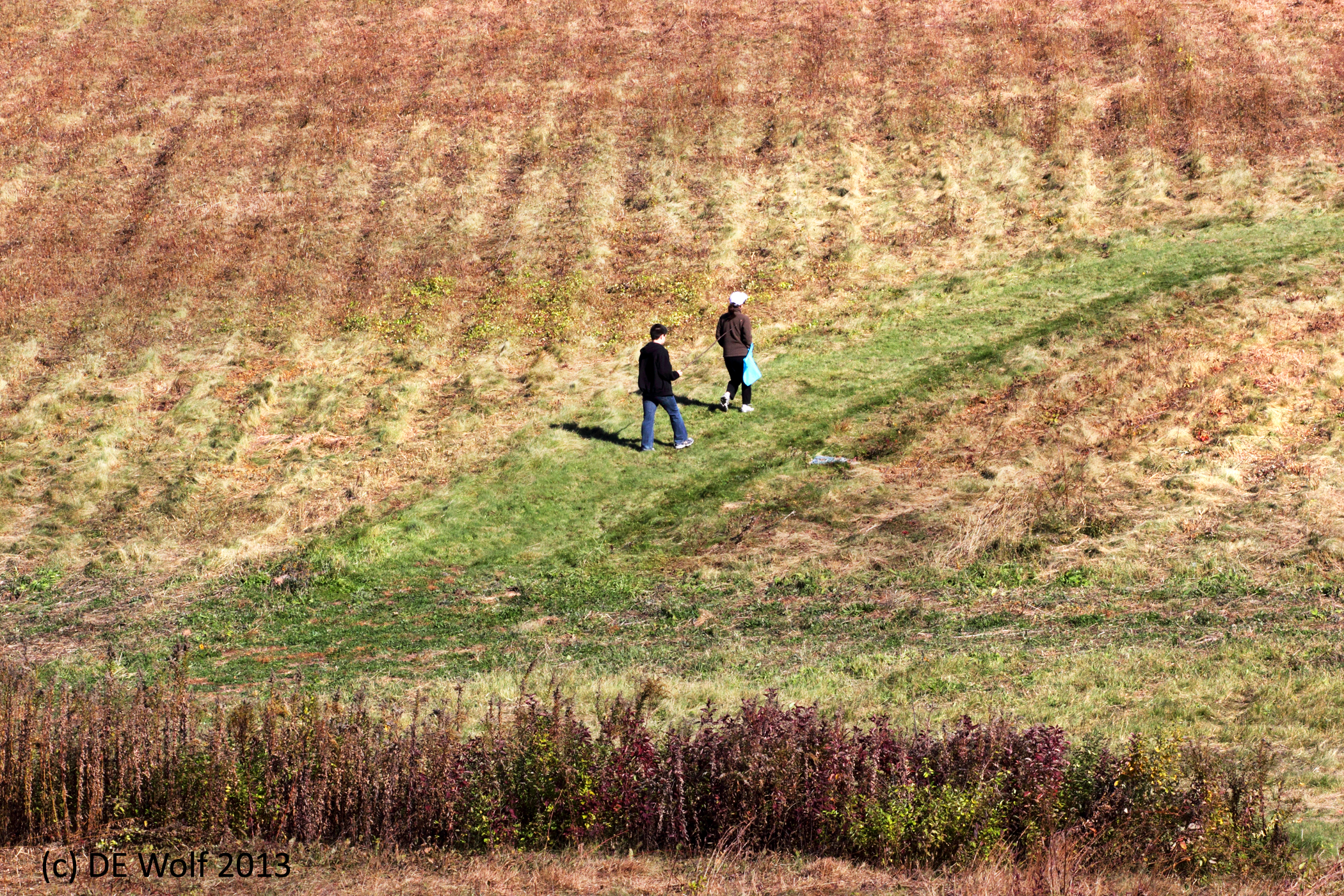
Figure 1 - An Idyll of Childhood, (c) DE Wolf 2013.

Figure 1 – An Idyll of Childhood, (c) DE Wolf 2013.

A highlight of the Pope collection at Hill-Stead Farm are two Claude Monet paintings of haystacks.  I mention this because after I left the main house, then free to use my camera, when I began to explore the photographic possibilities outside,  I heard the voices of two children, a boy and a girl – not little children but adolescents, pre- or just teens.  They were animated and hell bent on descending the hill into the meadow below.

I followed them, but, of course, couldn’t really keep up with their youthful legs and determination.  The meadow was well groomed by the harvest reaping and bore a very striking resemblance to the fields in Monet’s paintings.  The girl carried a plastic bag.  They were out to collect something.  The boy followed with a stick in his hands.  Their conversation continued unabated.  I couldn’t understand what they were saying.  Their enthusiasm wasn’t meant for me – but a was a private thing.  I had perhaps long ago lost the ability to understand their language.

The field was broken by two green paths.  At a fork they had made a choice – the most direct path to wherever they were going.  I followed them no further than the top of the hill.  I looked out at the barn across the field, assuming that was their destination.  But, I couldn’t be sure.  The world seemed very much defined to me and didn’t draw me on any further.  I had become an observer of the adventures of childhood.

I pulled out my camera to record the event. I framed the image the way I wanted it – neatly divided into geometric sections that paid homage to the “golden rule of thirds.” I loved the subdued pastel colors, the fall flowers in the foreground, and I loved the way the plow lines of the two sections weren’t all in the same direction.  It was like a giant doodle that I might have scribbled when I was young and bored in school.  I waited for the figures of the children to reach the point where I wanted them in the picture and I pressed the shutter.  Then they moved on out of sight, and I heard them no more.