The Old North Bridge – National Historic Site

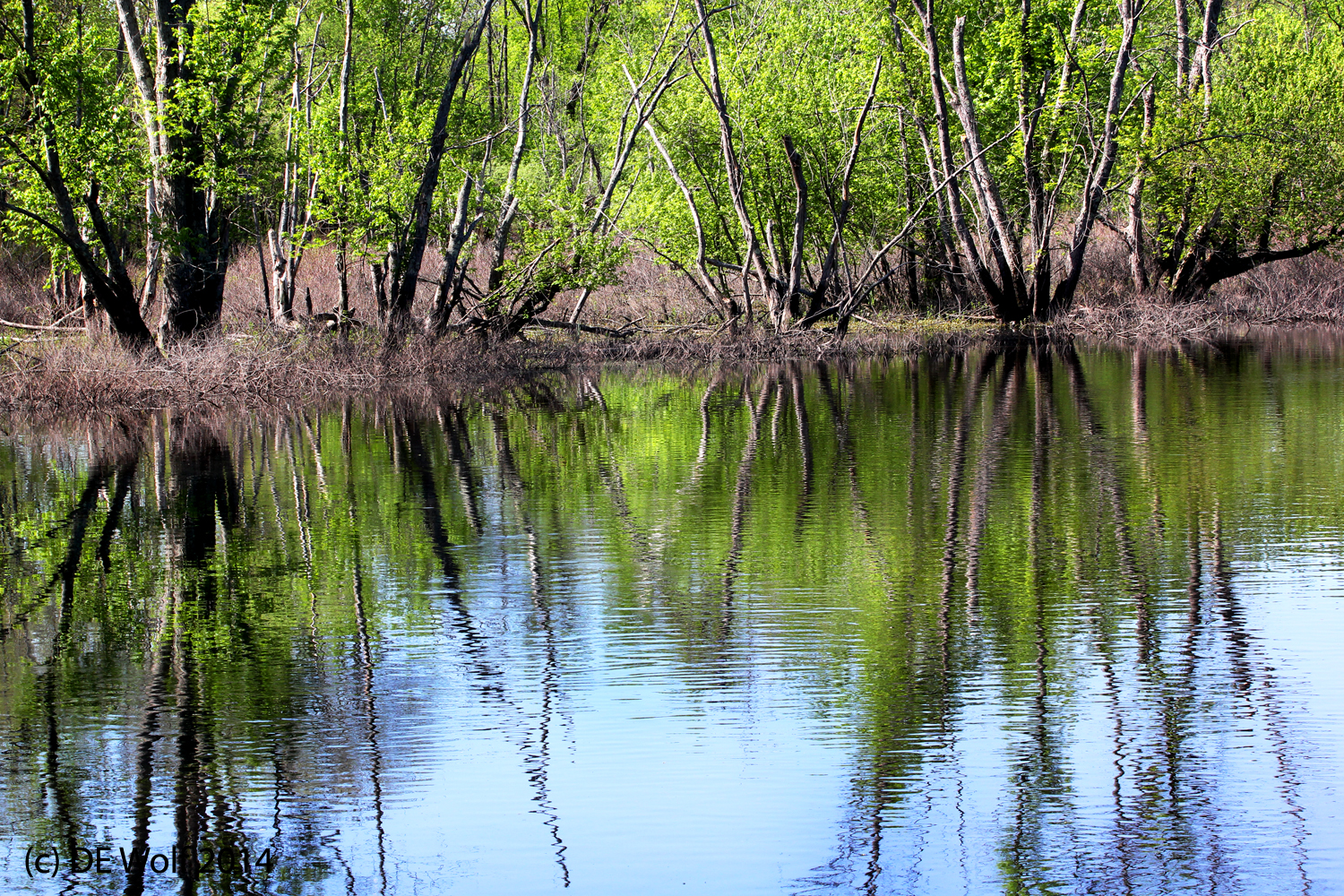
Figure 1 - The Concord River, Concord, MA. (c) DE Wolf 2014.

Figure 1 – The Concord River, Concord, MA. (c) DE Wolf 2014.

For me the National Historic Site at the Old North Bridge in Concord, Massachusetts is a place that ever rewards photographically.  There is always something different, some difference in light or color.  I just keep coming back and have been coming back since my first visit, dare I say it, fifty years ago with my parents.

This past Sunday I went hoping that the wild irises that I spotted in the woods along the river bank beside the Old Manse would be in bloom.  They were not, but I was rewarded instead by vivid, cloud filled azure skies and cold dark water reflecting the trees.  I am offering up Figures 1 and 2.  The first is a look at the reflections of the trees on the opposite bank of the river.  The second is a tribute to the fact that more things than pumpkins and the color’s namesake can be vivid orange.

Figure 2 - Kayaks along the Concord River, Concord, MA. (c) DE Wolf 2014.

Figure 2 – Kayaks along the Concord River, Concord, MA. (c) DE Wolf 2014.

Foreground out of focus

Figure 1 - Wonder of Childhood, Concord, MA. (c) DE Wolf 2014.

Figure 1 – Wonder of Childhood, Concord, MA. (c) DE Wolf 2014.

When you are doing a portrait there is a tendency to put the foreground in focus and to let the background be out of focus.  The opposite, where the foreground is out of focus but the background in focus can also be expressive and sometimes it actually works best.  Today I decided to experiment with that option.  I was on the Old North Bridge in Concord Massachusetts when my eye caught this little boy in a straw hat with a blue band excitedly watching the kayakers below.  He knelt down to watch the boats approach, and I grabbed the moment.  Using spot metering I had the boat in focus but the boy, back to the camera, just out of focus.  The picture remains about the boy.  I entitle the image “Wonder of Childhood,” because I can remember way back when…

Canon T2i with EF70-200mm f/4L USM lens at 75 mm, ISO 400, Aperture Priority AE, 1/800 sec at F/8.0.

Dusty rose

Figure 1 - "Dusty Rose," IPhone photograph. (c) DE Wolf 2014.

Figure 1 – “Dusty Rose,” IPhone photograph. (c) DE Wolf 2014.

Figure 1 is the latest addition to my collection of IPhone images of folded fabrics.  This one I entitle “Dusty Rose.”  I just cannot resist, especially when the light is right. Isn’t that always the case.  We live for the light.  I just love the variety of form and the intensity and purity of color.  In these images I hope that form and color are equal elements. Too often in photographs color is so dominant as to create the illusion that you’ve accomplished something.  Form is always required as well, at least in good photographs.

I have commented before how, when I use the IPhone as a camera, I imagine that I am using a large format camera.  Actually, what I am imagining is that I am using my father’s Ciroflex, twin lens reflex.  This was 2 1/4′ by 2 1/4″ and I always marveled how, in contrast to 35 mm photography, it slowed down the picture taking process and forced you to concentrate deeply on composition.  So the use of the IPhone really brings back fond childhood memories.

And as for composition, there was a tendency to center the V here, to make the image perfectly symmetric.  But that would have created to strong a sense of static equilibrium.  I chose instead to make the image just a bit asymmetric, just as the distribution of light and shadow is asymmetric in the image.  This makes the composition more dynamic and alive.

Impressionism or turning failure into success

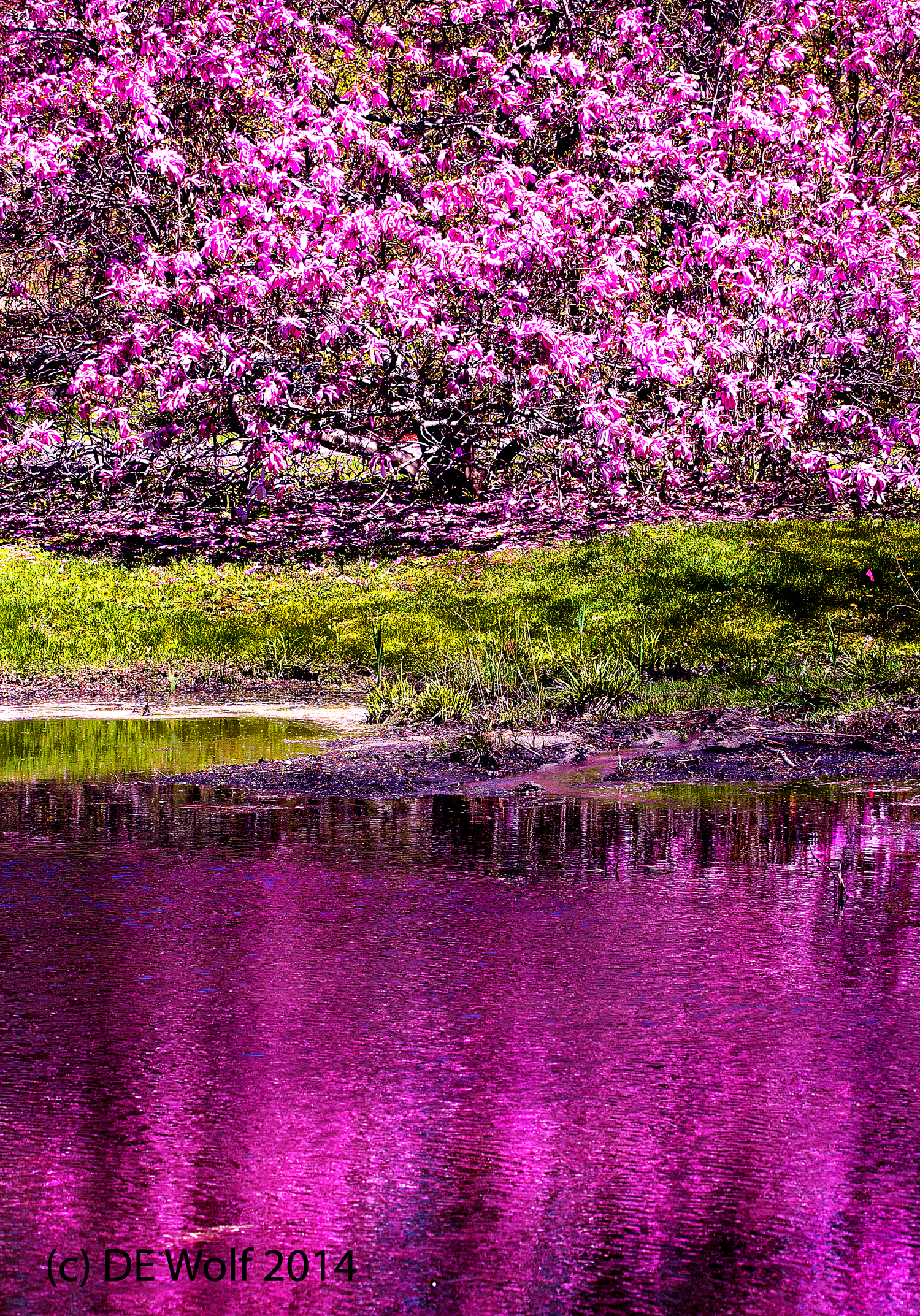
Figure 1 - Impressionism, (c) DE Wolf 2014.

Figure 1 – Impressionism, (c) DE Wolf 2014.

Today’s image, Figure 1, is entitled “Impressionism” and done just for fun.  I was struck by the reflections of this magnolia in the pond and it reminded of oh so many impressionist paintings.  But I really didn’t get the focus quite right.  Sloppy, Wolf!  But when I went to work it up, I found that I still like the light and liked the colors and liked the reflections. So I thought of impressionist art, which isn’t always sharp.  I thought in particular about pointillism, which in its world view is quite similar to quantum mechanics.  Sometimes the blur just creates a sense of wonderful and dynamic light.  I even tried blurring the image but felt that was overwrought.  So in the end, I almost like what I see – or is it what I don’t see?  Hmm.  I’ll leave it to my readers to decide whether I turned failure into success.

More images with my Canon EF100-400mm f/4.5-5.6L IS USM Lens

Figure 1 - Re-enactor at the Old North Bridge in British uniform, Concord, MA (c) DE Wolf 2014.

Figure 1 – Re-enactor at the Old North Bridge in British uniform, Concord, MA (c) DE Wolf 2014.

The other image that I wanted to show you from my first day out with my Canon EF100-400mm f/4.5-5.6L IS USM Lens is that of Figure 1. Again this is very close in and taken at 100 mm focal length.  In many respects it isn’t ideal.  Indeed, I’m sorry to say that I find it just a little boring!  It shows one of the character re-enactors at the Old North Bridge in Concord, MA, the beautiful site where the American Revolution began. The actor is in 18th century British uniform and standing guard at the grave and monument to the fallen English dead.

The emphasis should clearly be the red feather, which is way too cropped.  I couldn’r get further back.  Also I should have taken this at more of an angle.  Having the subject stare at attention is, well as I said, boring.  OK how about a synonym – soporific then.  Probably at 3/4 face would have been a great improvement.  But the interesting point is that I started thinking that the image wasn’t as sharp as my 70 to 200 mm would give.  Then I zoomed in digitally and saw that I could make out all the whiskers on his face and hair on his neck.  This is very acceptable. And before you ask ISO 400, Aperture Priority – AE, 1/200 s at F/8.0.  I’m pretty happy with the lens’ performance, at least at short focal lengths!

First images with my Canon EF100-400mm f/4.5-5.6L IS USM Lens

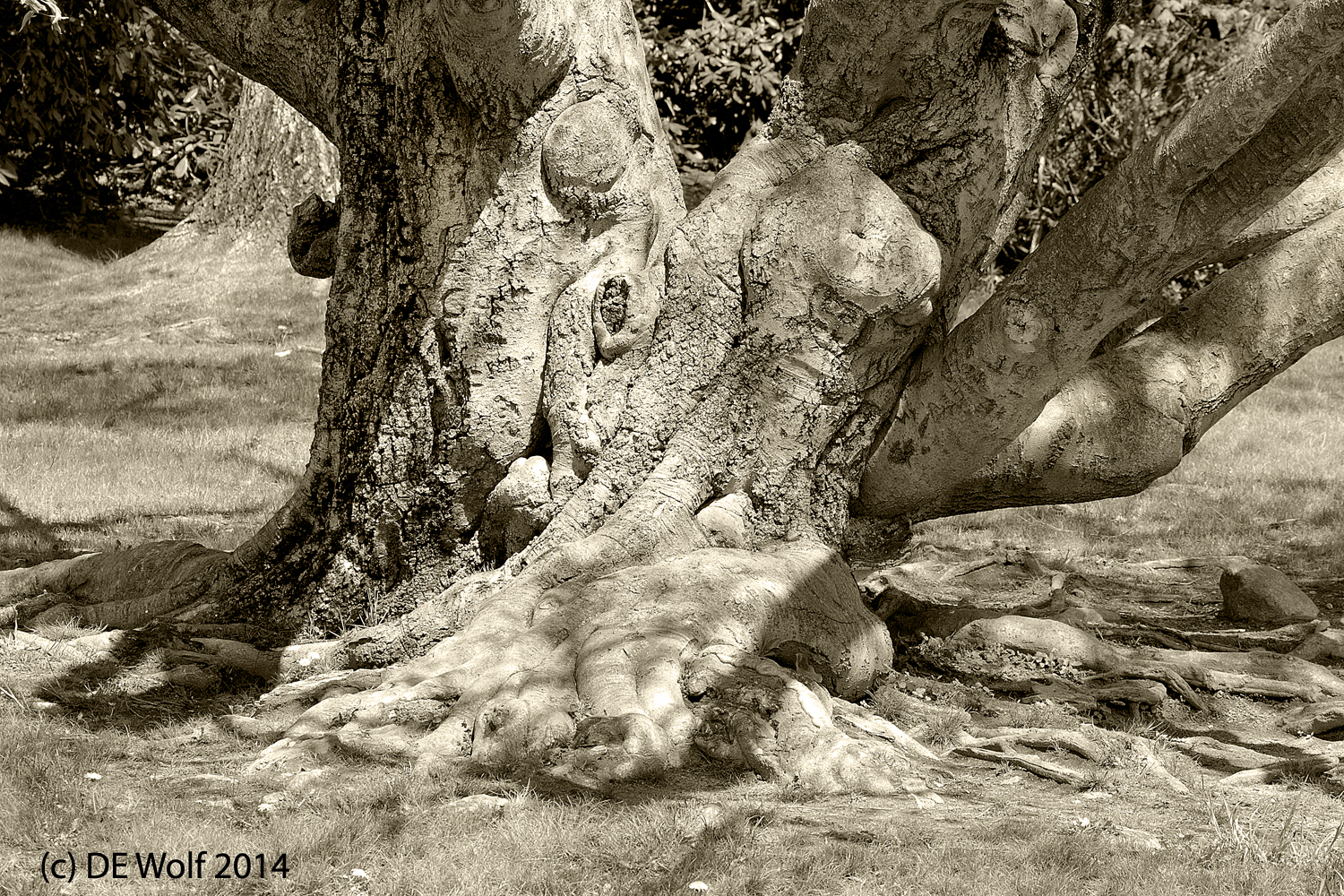
Figure 1 - Ancient Tree, Concord, MA, (c) DE Wolf 2014.

Figure 1 – Ancient Tree, Concord, MA, (c) DE Wolf 2014.

Back in the cold of winter I bought myself a Canon EF100-400mm f/4.5-5.6L IS USM lens.  This is one of the gems of the Canon lens line, when considered on the basis of dollars per modulation transfer function.  It was cold and it was winter, so I did a quick test to make sure that all was well and put the lens away in my camera bag.  Ideally, this is your nature photography lens.  With the 1.6 multiplier it offers up a whopping 640 mm focal length.  Well there it lay all winter, in my camera bag.  And then this past Sunday was the most glorious day imaginable, and I thought that there were no longer any excuses to not taking it out and slogging through the mud along the Concord River by the Old North Bridge and seeing what images I could take.

Well, I learned quite a few points.  First, this is a lot of glass and not so easy to trek around with.  I took to wearing my camera over my neck with the front of the lens tucked into my shoulder bag for extra support.  But I like the convenience of a monopod and then you wind up carrying the whole rig in your hand.  Unless, of course, you get one of those quick release mounts.  Hmm, note to self … Second, and here’s the most important point, you’ve got to learn how to make this lens work, how to work with it, particularly if your goal is bird pictures.  And third, it’s going to be worth the effort.  While not as sharp as my 100 to 200 mm L lens this lens makes nice sharp and beautiful images.

As I learn more about it, I’m going to share images over the next few weeks.  Hopefully, there will be some nice bird and animal pictures.  But for starters, just to show what the lens can do, I’d like to share Figure 1- an image of a venerable old tree.  I love the soft waves of the roots piercing the ground.

Oh, I suppose that you want the  “blah de blah.”  Ok, this is the very first real photograph that I took with this lens.  It is at minimum focal length 100 mm. ISO is 400.  Exposure is Aperture=priority AE 1/400 s at f/8.0.  Hope that clears things up!

Mint green

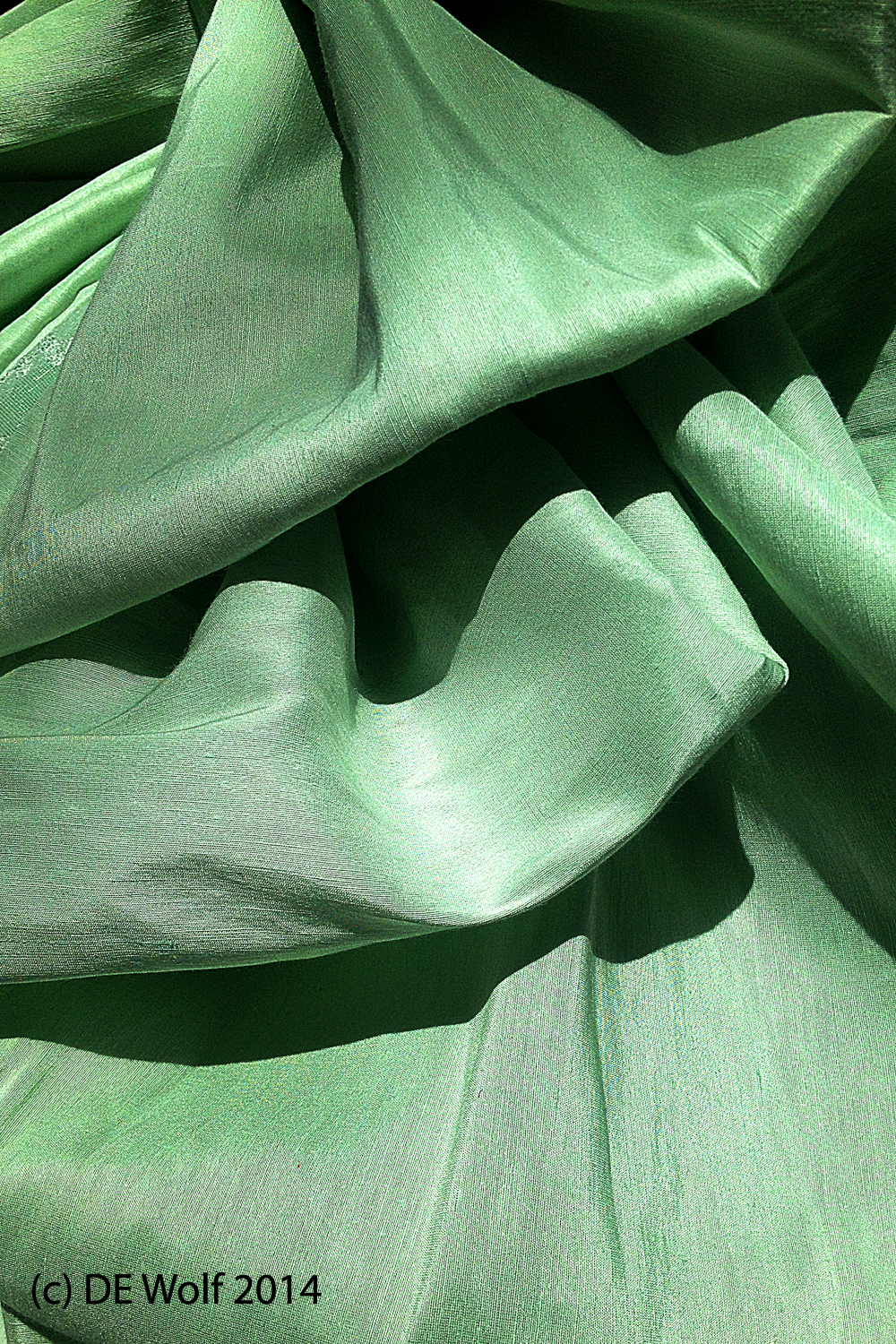
Figure 1 - Mint green Satin, (c) DE Wolf 2014.

Figure 1 – Mint green Satin, (c) DE Wolf 2014.

Today I’ve got an addition to my IPhone monotone images of folded fabric.  The color of the day is mint green colored satin; so it is meant to be on the more subtle end of the spectrum compared to scarlet and indigo.  Mint green speaks to spring and coolness, appropriate for the Northern hemisphere where we are very anxiously awaiting the coming of summer.  the days are growing ever longer and we are now in the enjoying spectacular and perfect days.

A study in scarlet

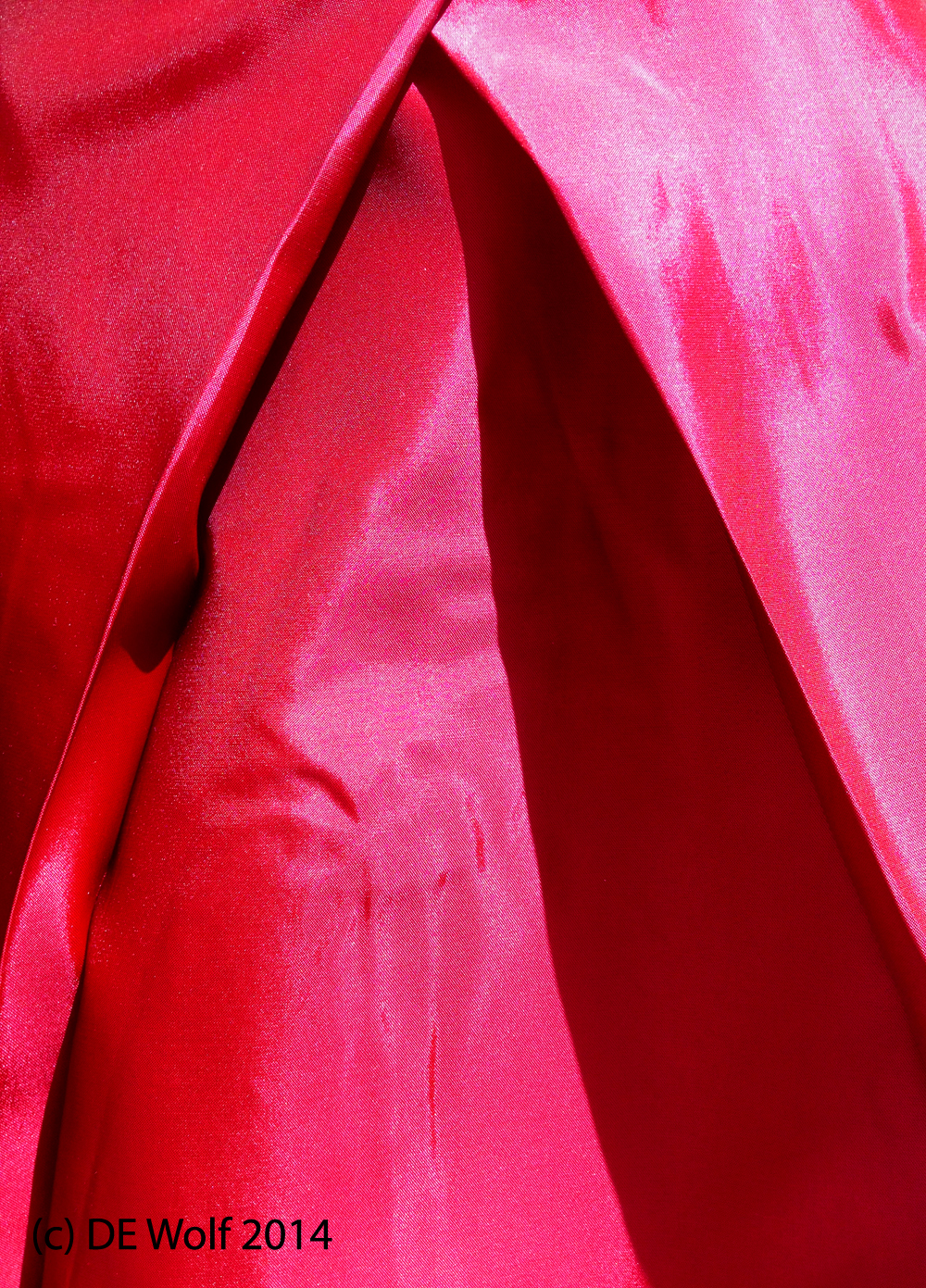
Figure 1 - A Study in Scarlet, IPhone Photograph, (c) DE Wolf 2014.

Figure 1 – A Study in Scarlet, IPhone Photograph, (c) DE Wolf 2014.

On Saturday I went to for a walk at the mall again.  I love these walks because, true to Bill Clinton style, they end in my sipping an intense double espresso in contemplation of the rest of the weekend. Early morning is a very peaceful time at the mall, and I had the chance to have one last look for the season at the Easter Bunny photographer with his smiling kids, crying kids, and kids not quite sure how to take the whole process in.  There was a bright sunlight made just a bit diffuse by light clouds filtering in the big skylights and this lit up the fashion exhibit in a beautiful way – not too high a contrast, not too dull.

I paused to photograph a glimmering wave of scarlet satin on one of the dresses to continue my IPhone collection of monotones. I include this as Figure 1. Scarlet is so amazingly intense to our eyes and it bears so many connotations to our collective literary consciousnesses: “The Scarlet Letter,” “The Scarlet Pimpernel,” and then, of course, there is the Arthur Conan Doyle story, “A Study in Scarlet.”

This 1886 novel derives its name from a speech that Sherlock Holmes gave to Dr. Watson in which he uses the metaphor “study in scarlet” to define the nature of his work:

“There’s the scarlet thread of murder running through the colourless skein of life, and our duty is to unravel it, and isolate it, and expose every inch of it.”

A study in art is meant to connote just that artistic notes or sketches preparatory to a greater work.  In the present case it gives me the opportunity to explore what happens when you combine flowing form with intense overwhelming color and there is certainly no color that is more intense to our eyes than a brilliant red.

In the meanwhile, the beautiful light, the budding trees and flowers, which this year seem to be in a race with one another, the pollens assaulting my sinuses all beckon me outside for other photographic studies and explorations.
Life among the humans

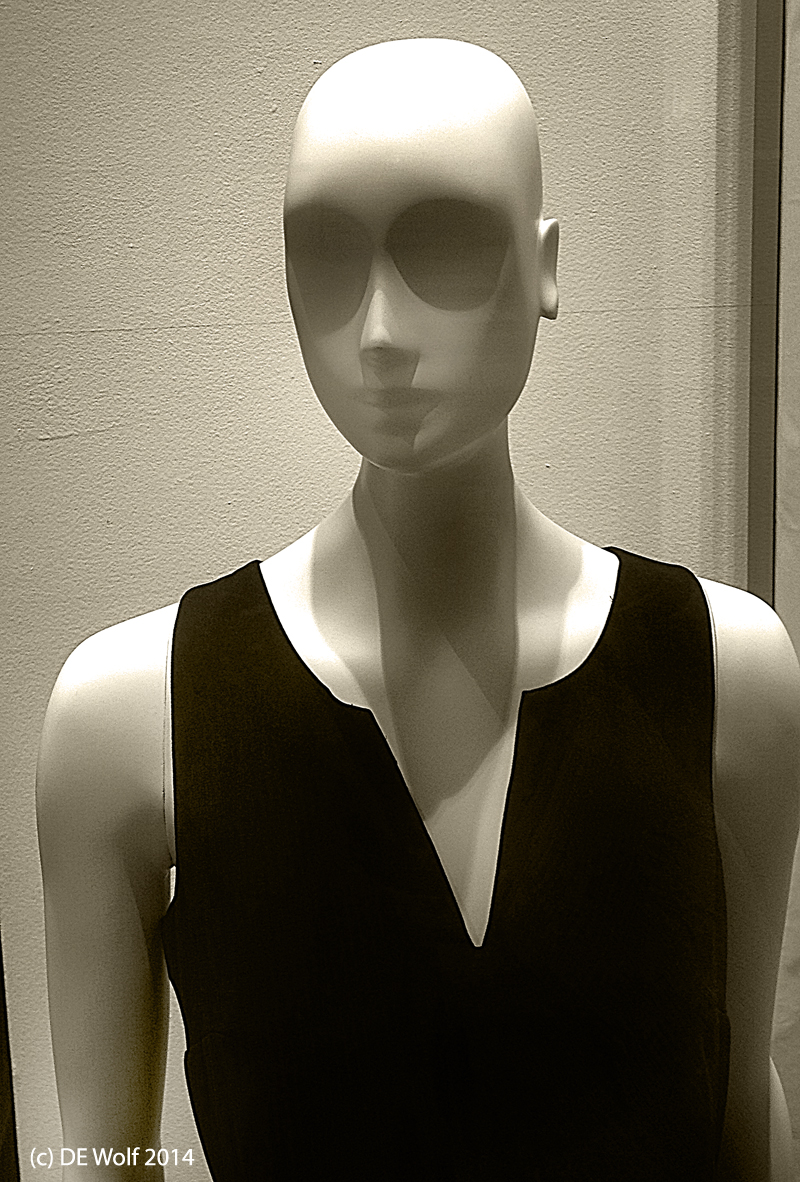
Figure 1 - Mannequin in a black dress, IPhone photograph, (c) DE Wolf 2014.

Figure 1 – Mannequin in a black dress, IPhone photograph, (c) DE Wolf 2014.

There is something both appealing and haunting about mannequins.  They are almost human and at the same time other worldly.  And, I suppose, for people like me who grew up watching the Twilight Zone called “The After Hours” and the adventures of a certain Miss Marsha White, played by the beautiful Anne Francis, in a department store.  She ultimately discovers that she is herself merely (?) a mannequin.  It is an adventure that can only happen in (doo-dee-doo-doo) the twilight zone.

So I was thinking about Miss White this morning as I was walking in the mall (IPhone camera in hand) in quest for my espresso.  There she was in a simple, yet elegant, tasteful black dress. She had no hair and her eyes were darkened by deep shadows giving her a most alien specter.