Monochrome Me

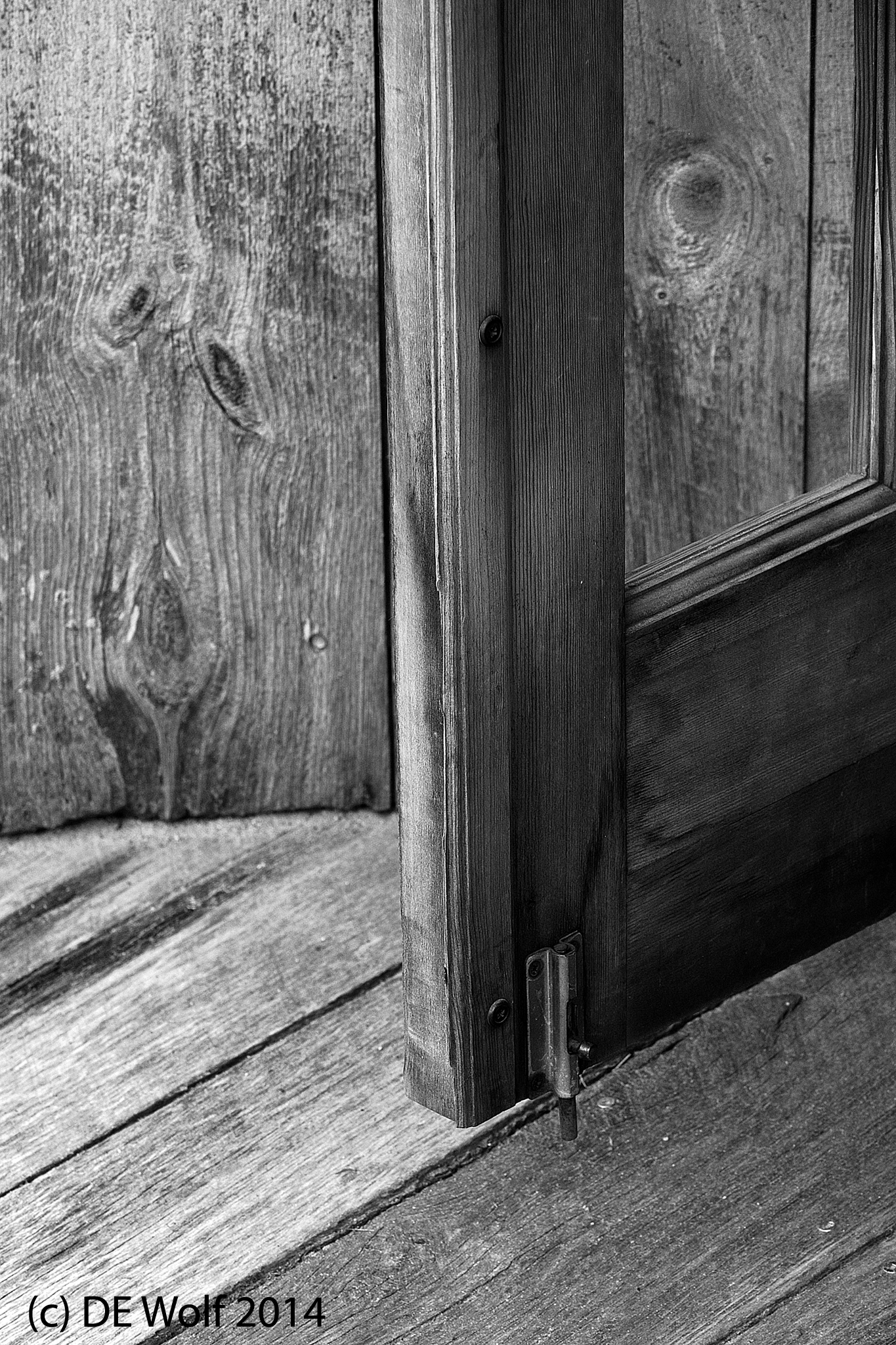
Figure 1 - Door and Step, Kennebunkport, ME. (c) DE Wolf 2014.

Figure 1 – Door and Step, Kennebunkport, ME. (c) DE Wolf 2014.

Needless-to-say “Monochrome Me” wants to have his say today.  As I said, it is the black and white image that I strive for, perhaps with  just a touch of sepia tone. In my book toning is the one activity of photograph production that was more enjoyable in the chemical days.  I mean, what could be better than exposing yourself to toxic selenium salts?

While a beautiful black and white photograph is an admirable object, neither the name “monochrome” nor the name “black and white” get us off on the right foot.  He has a “monochromatic personality – is one dimensional, flat, cardboard like.”  He sees everything as “black and white.”  You see what I am talking about?

Seriously though, there is tremendous tonal dimensionality to a beautiful black and white photograph.  It is not just about form, but also about the range of tones.  The goal is to have brilliant, but not overpowering, whites, deep blacks, and everything in between.  While limited ultimately by physics and physiology, the range should seem infinitesimally graded.  Look for the faint forms in shadow and highlight.  Therein, lies greatness.

While in Kennebunkport’s Dock Square earlier this week, I came upon this wooden door with a glass window and a very eccentric sloping step.  I was immediately struck by the beauty of the weathered wood, the grains, and the knots.  I knew right away that this would “work” photographically.  And when I was working up the image I found myself drawn to the little face, the pareidolia, in the grain on the wall, by the wood knot behind the window, and by the simplicity of the door stop. People must have thought me a bit crazy standing there with my monopod mounted camera photographing a humble step and maybe I am.

EF70-200mm f/4L USM Canon lens at ISO 400, aperture-priority AE 1/200th sec at f/8.0, Exposure compensation -1, Lens at 84 mm.

 

Polychrome Me

Figure 1 - Flowers and glass in a shop window, Kennebunkport, ME. (c) DE Wolf 2014.

Figure 1 – Flowers and glass in a shop window, Kennebunkport, ME. (c) DE Wolf 2014.

The view that the photographer is one who observes, one who steps out of participation, has some intriguing consequences. You become a tourist in your own life. You are constantly in a quest for objects and events to photograph. The image becomes to the photographer: what game is to the hunter, coins to the numismatist, or antiques to the antique collector. Yes that is it; you become a collector of images, and each image holds its own memories.

OK, so accept it. Would it be better not to capture events and objects at all? Think of it as recording not collecting. You can think of it that way as long as you don’t become one of those people who record every meal on vacation.

So I am a hunter for images! And what I realize is that there are really two me’s. I truly love black and white images. That is what I strive to create. I am forever search for the forms and the light that will give me what I am looking for, that will translate beautifully with velvety blacks, creamy whites, and every marvelous grey level in between. And notice that I spell it “grey” not “gray.” This connotes a certain elegance and exoticism.  But I also find that dichotomously hiding just below the surface of my consciousness is a “Polychrome Me,” a me that loves to exalt in color.

One of the great aspects of modern digital photography is that you can truly split your photographic personality without needing to carry two cameras. It is the same feature that enables what is essentially zone black and white photography without the need to change cameras. Expose well, and all the zones are there. The “Levels” and “Curves” features of Photoshop simply replace choice of film, developer, and paper.

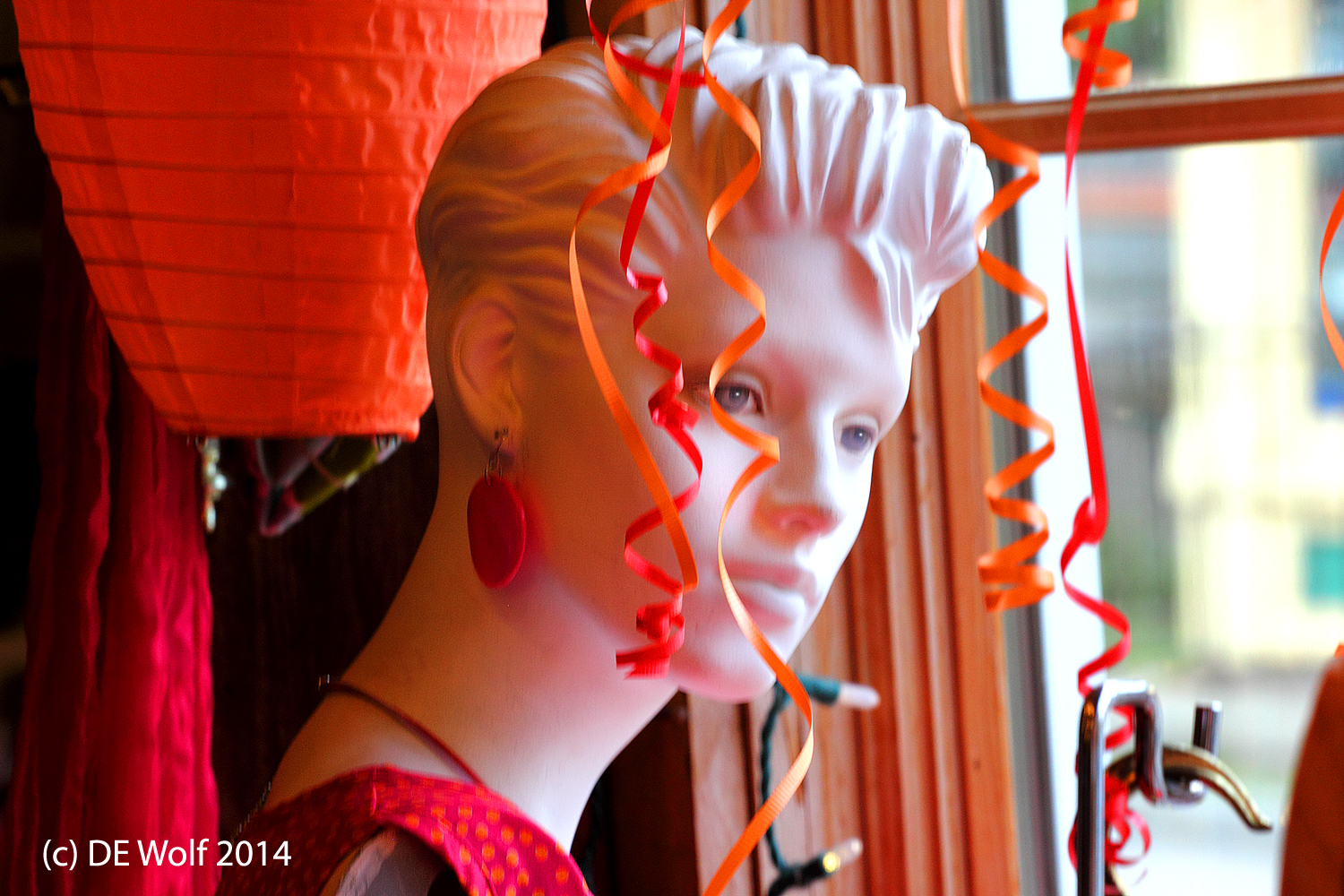
So today I’d like to offer up two images by “Polychrome Me.” The first was taken of glass and silk flowers in a shop window. I love the play of light in glass. And I was thinking of Henri Matisse when I took this picture. Perhaps it is “Cala Lillies, Irises, and Mimosas.” The point is that the feeling here is in the brilliant colors and to me they are Matisse’s colors. And shortly after taking that image I found this mannequin in a shop. The world was orange, and I delighted in the little helices of orange ribbon. Do I need to say that I added the catch light to her eyes, because unlike the ghostlike alien mannequin of a previous blog, this mannequin seemed soft and beautiful? She needed only a magic sparkle in her eyes to bring her to life.

Both images were taken with my EF 70-200mm f/4L USM Canon lens at ISO 400 in aperture AE priority mode – the mannequin at 1/60 sec, f/8.0 at 131 mm, the glass and flowers at 1/100th sec, f/11.0 at 70 mm.

Figure 2 - Shop mannequin and her orange world, Kennebunkport, ME. (c) DE Wolf 2014.

Figure 2 – Shop mannequin and her orange world, Kennebunkport, ME. (c) DE Wolf 2014.

Cypripedium acaule

Figure 1 - the moccasin flower a wild orchid, Cape Porpoise, ME. (c) DE Wolf 2014.

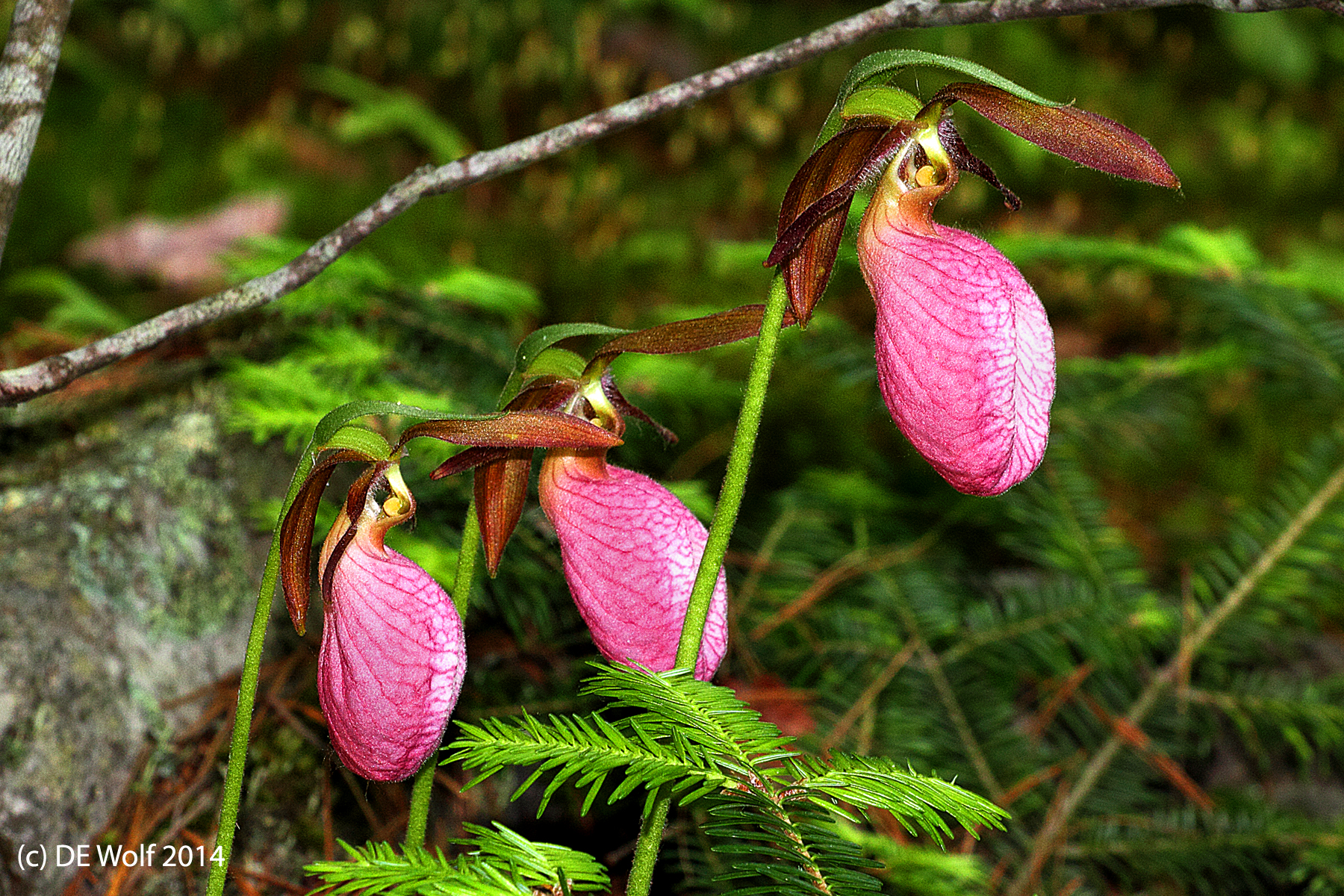
Figure 1 – Cypripedium acaule, the moccasin flower a wild lady slipper orchid, Cape Porpoise, ME. (c) DE Wolf 2014.

It was a bit of a gloomy day. Still I thought that it might be rewarding to take a short walk through the woods in Cape Porpoise, ME. This was scrubby dense forest with lots of birches and hemlocks. It drew on by the loud cacophony of birds, perhaps crows, screaming deep among the trees. Well, I was rewarded. My eye was captured by a bit of magenta which turned out to be a wild orchid, Cypripedium acaule – so-called moccasin flower. And then I started looking and realized like magical beings they were hiding all around me.

As it turns out this is precisely the ideal time to observe these beautiful pink lady’s slippers. We must admire these wild beauties with a certain respect and reverence. They are essentially impossible to cultivate and yet seem to have a fairly easy time of finding just the right soil and conditions in these northern forests. Seeing them first hand offers a kind of peaceful serenity that befits the fact that the root of lady’s slippers has historically been valued for its sedative properties and used as a remedy for nervousness, tooth pain, and muscle spasms.

The moccasin flower has a symbiotic relationship with a soil fungus called Rhizoctonia. Unlike most seed these orchid seeds do not have the fuel to grow and require the fungal threads to break them open and share food, I suppose like a mother bird feeding its fledglings. Then when the plant is older the fungus reverses the process extracting nutrients from the roots.

The other fascinating aspect of the lady slipper is that it lures bee’s to its marvelous pouch where alas poor bee finds no nectar. Hairs within the pouch direct the bees to the only exit of escape where they must brush against the stigma to be coated with pollen to carry to another flower. This is Darwinian evolution at its most magnificent.

But I digress. I retreated the forest to locate my tripod and return to these beautiful orchids which I spent some time photographing. Figure 1 is one of the results. The blah-dee-blah may be of some interest, since it was heavily overcast and drizzling at times. I wanted some sharpness of detail on the complex flower and a reasonable amount of depth of field. In this particular image I filled with light from the on camera flash. ISO 400, -1 exposure compensation, f/11.0 at 1/25th sec, EF70-200mm f/4L USM lens at 140 mm.

Self portrait at the 1912 Cafe

Figure 1 - Self portrait at the 1912 Cafe, Freeport, ME. (c) DE Wolf 2014.

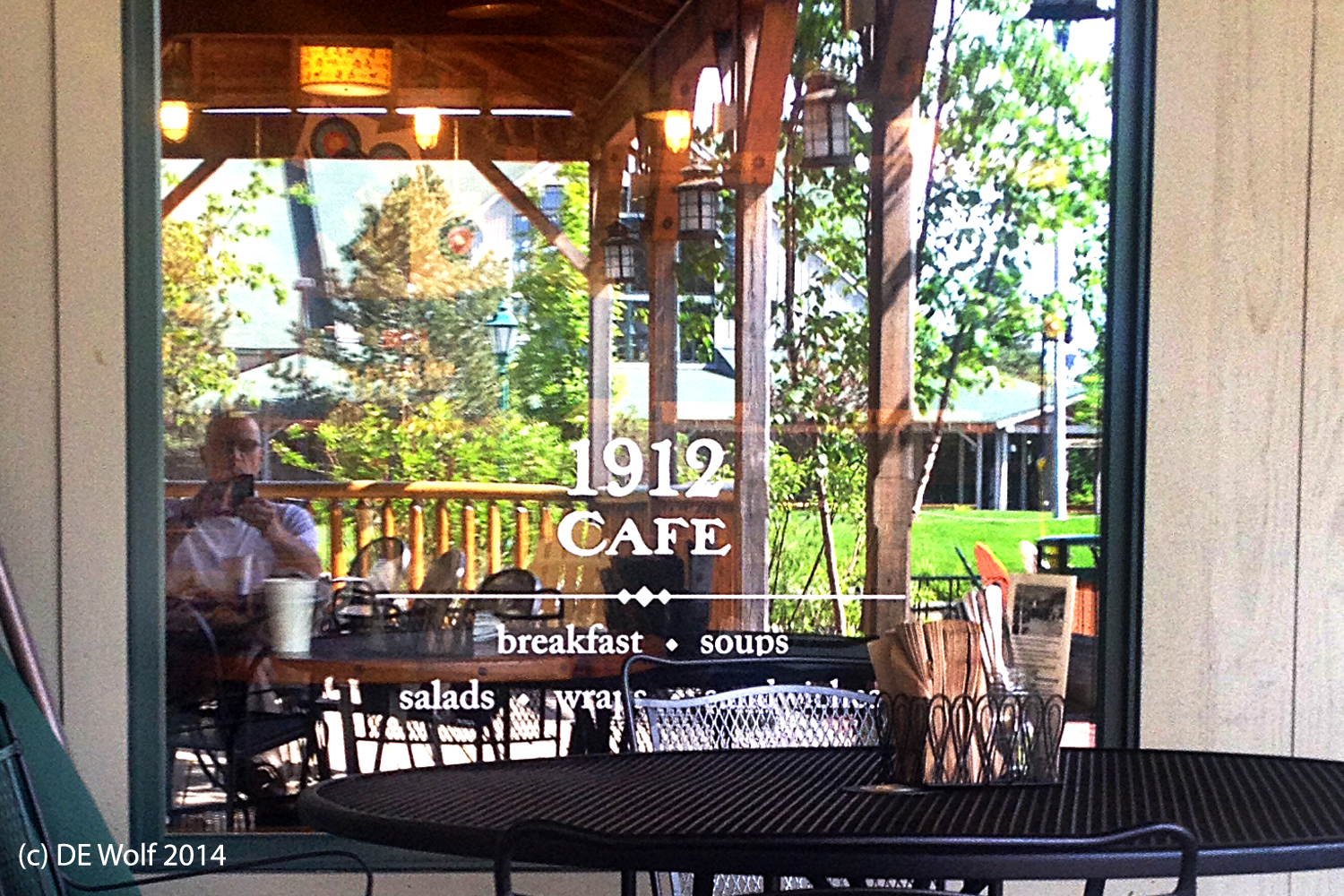
Figure 1 – Self portrait at the 1912 Cafe, Freeport, ME. (c) DE Wolf 2014.

Figure 1 is an experiment in self portraiture.  Selfies today are generally taken with the front facing camera.  A generation ago the common form was to take a picture of yourself in the mirror.  Vivian Maier offers some wonderful examples of this genre.

The in-the-mirror photograph in general betrays a problem or fault with photography.  The photographer ceases to participate. That is why photography often appeals to the shy among us.  You don’t have to be part of events.  You can abstract yourself from them.  This self portrait, I hope, takes this abstraction to a new level.  There I am reflected in the window of the 1912 Cafe.  Perhaps the name of the cafe creates a sense of irony, emphasizing further abstraction, as the cell phone is totally antithetical to the simpler life of the early twentieth century.

With a cell phone you needn’t really look into the camera.  You could as well be reading an email.  You become totally abstracted from the act of taking the picture, even though in secret you are quite actively involved in framing the image.

I am also trying here to create a sense of the commonplace, to mimic so many photorealistic paintings of diners and people in everyday activities.  Of course, nothing could be more photorealistic than a photograph.  And also, the abstraction of the photograph to events pales in comparison to the pose of people on cell phones.  It is the ultimate ambiguity that in connecting with others we disconnect with those immediately around us.

The Old Gristmill

Figure 1 - Gristmill at Longfellow's Wayside Inn Sudbury, MA. (c) DE Wolf 2014.

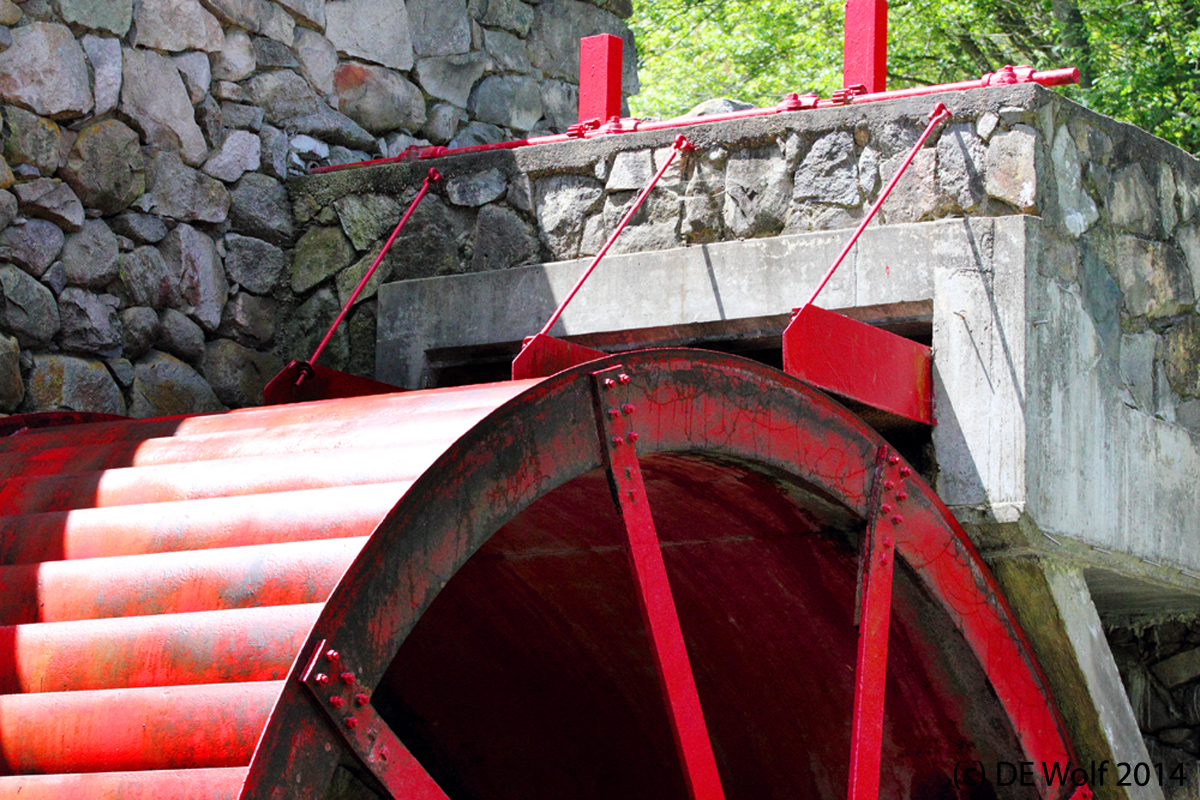
Figure 1 – Gristmill at Longfellow’s Wayside Inn Sudbury, MA. (c) DE Wolf 2014.

Figure 1 is an image that I took last weekend of the Old Grist Mill at Longfellow’s Wayside Inn this past weekend in Sudbury, MA.  The Wayside Inn Grist Mill was commissioned by Henry Ford and designed by renowned hydraulic engineer J.B. Campbell. The Mill ground its first grain on Thanksgiving Day 1929. In 1952, the Pepperidge Farm began operating the Mill, which it continued to do until 1967.  It’s image remains the logo of the company.  The mill remains in operation today grinding grain for the Wayside Inn.

So much for history.  I am ambivalent about whether my photograph really works.  I wish, first of all, that there was water flowing over the paddle wheel.  I was also initially ambivalent about whether it should be a color or black and white photograph.  But then I realized that what I like best about the picture is that it looks like a black and white image which has been hand-painted adding very vivid red and also some green.

A second element that I am pleased with are the struts that seem to attach the wheel to the wall.  It seems a strange point to notice. But my eyes continue to be drawn to them and I think this is because they seem to ground the waterwheel’s mechanism to reality – that is to the need to obey physical law.  The image is of a real functional machine, not an artifice of the designer’s mind.

Pansies

Figure 1 - Pansies or Food for Thought, Sudbury, MA. (c) DE Wolf 2014.

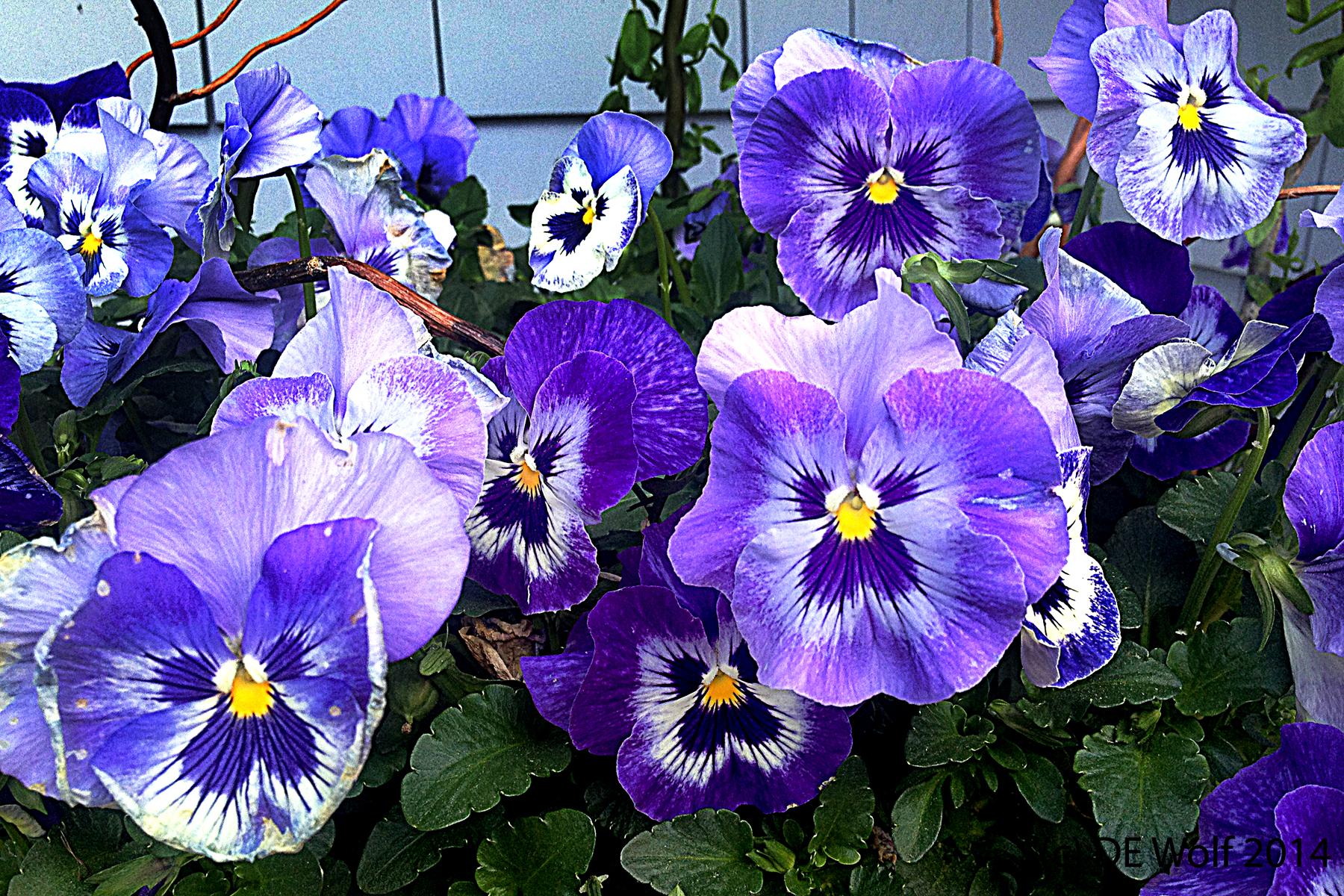
Figure 1 – Pansies or Food for Thought, Sudbury, MA. (c) DE Wolf 2014.

Sometimes it is the simple things, and the photograph is no further away than your own doorstep.  I love the simple beauty of spring pansies with their little pensive lion faces looking back at you and floating in a gentle breeze.  There is ever the sense of the coolness associated with not quite summer.

The English name pansy comes from the French word pensée “thought.”  It was imported into Late Middle English as a name of for certain violets in the mid-15th century.  Shakespeare has Ophelia remind us that these flowers are to be, along with rosemary, regarded as symbols of remembrance.   I can never look at them without remembering  walking with a friend (and reader) in San Jose some years ago and discussing Ophelia’s words:

“Look at my flowers. There’s rosemary, that’s for remembering. Please remember, love. And there are pansies, they’re for thoughts.”

There is a special providence in the fall of a sparrow

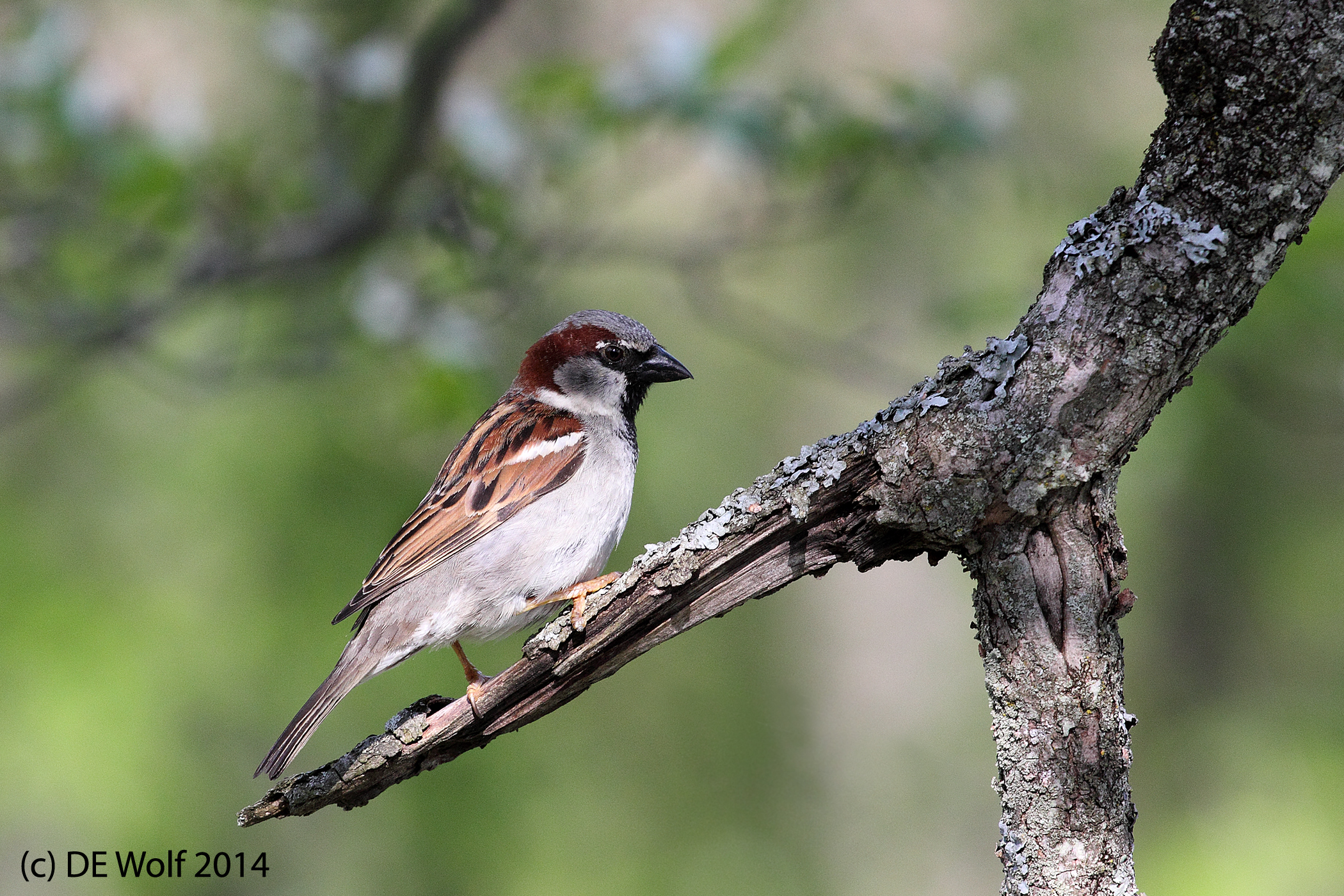
Figure 1 - English Sparrow, Passer domesticus, Concord, MA 5/25/2014. (c) DE Wolf 2014.

Figure 1 – English Sparrow, Passer domesticus, Concord, MA 5/25/2014. (c) DE Wolf 2014.

After all this time carrying my big lens around in hopes of getting good bird pictures, I was delighted this past Sunday when a English Sparrow (Passer domesticus) landed on a branch in front of me and in a sweet voice demanded to have his portrait taken.  I only had my EF70-200mm f/4L USM lens*, but was really delighted by the bifurcated lichen covered branch and at 200 mm at the soft bokeh of the background.

Yes, it is a common house or English Sparrow.  Still he has his own high highfaluting Latin name and as Shakespeare eternally reminds us:

“There’s a special providence in the fall of a sparrow. If it be now, ’tis not to come. If it be not to come, it will be now. If it be not now, yet it will come—the readiness is all. Since no man of aught he leaves knows, what is ’t to leave betimes? Let be.”

*EF70-200mm f/4L USM Lens at 200 mm Aperture priority mode AE, ISO 800, 1/800th second at f/5.6.

Ancient sentinels

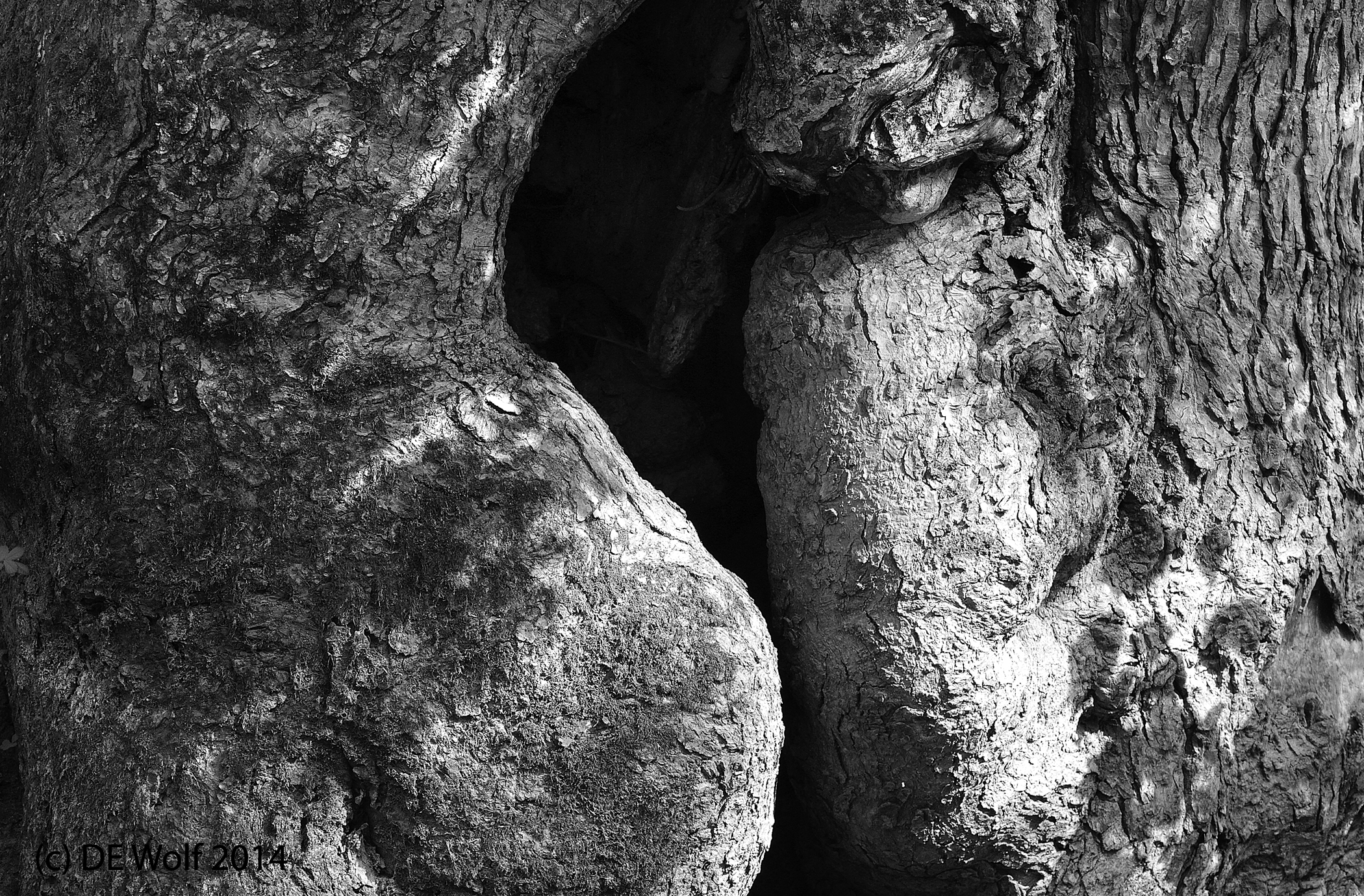
Figure 1 - The Hermaphroditic Sentinel, Concord, MA. (c) DE Wolf 2014.

Figure 1 – The Hermaphroditic Sentinel, Concord, MA. (c) DE Wolf 2014.

I found myself once more at the Old North Bridge, National Historic Site, in Concord, MA again.  It is one of my favorite places, and I gravitate there spontaneously seeking the photographic opportunity of any given day and time’s uniqueness of light.

It is always rewarding to wander off the main path, to try wherever you can to reach the river, even if you have to slog through a bit of mud to get there.  There is one particular spot where you emerge to find an old cement landing.  It is lost to time, but undoubtedly speaks to a different layout of the site.  You can shut your eyes and imagine the laughter of swimmers fifty, maybe a hundred years ago – men in straw hats and ladies in white. There are two huge trees there, and these have suffered the ravages of termites.  The have tremendous girth – and certainly date back to the nineteenth century.  But they are partially hollowed out and you have to wonder just how long they will last.  Perhaps they will sprout “suckers” and truly live forever.  These are silent witness, sentinels on the river and they have witnessed a lot – but are silent and mum about just what they have seen.

On this particular day, in the crisp light of a bright but cloud-laden afternoon, skies threatening thunder showers, I was struck by how the light illuminated the mysterious cavern within this particular ancient one.  There is a certain, yet profound, hermaphroditic ambivalence.  And if you look closely into the carnivorous darkness there is a strange serpentine presence.  It reminiscent of H. P. Lovecraft and beckons you to return to the well trodden road and the present.

Bend in the road

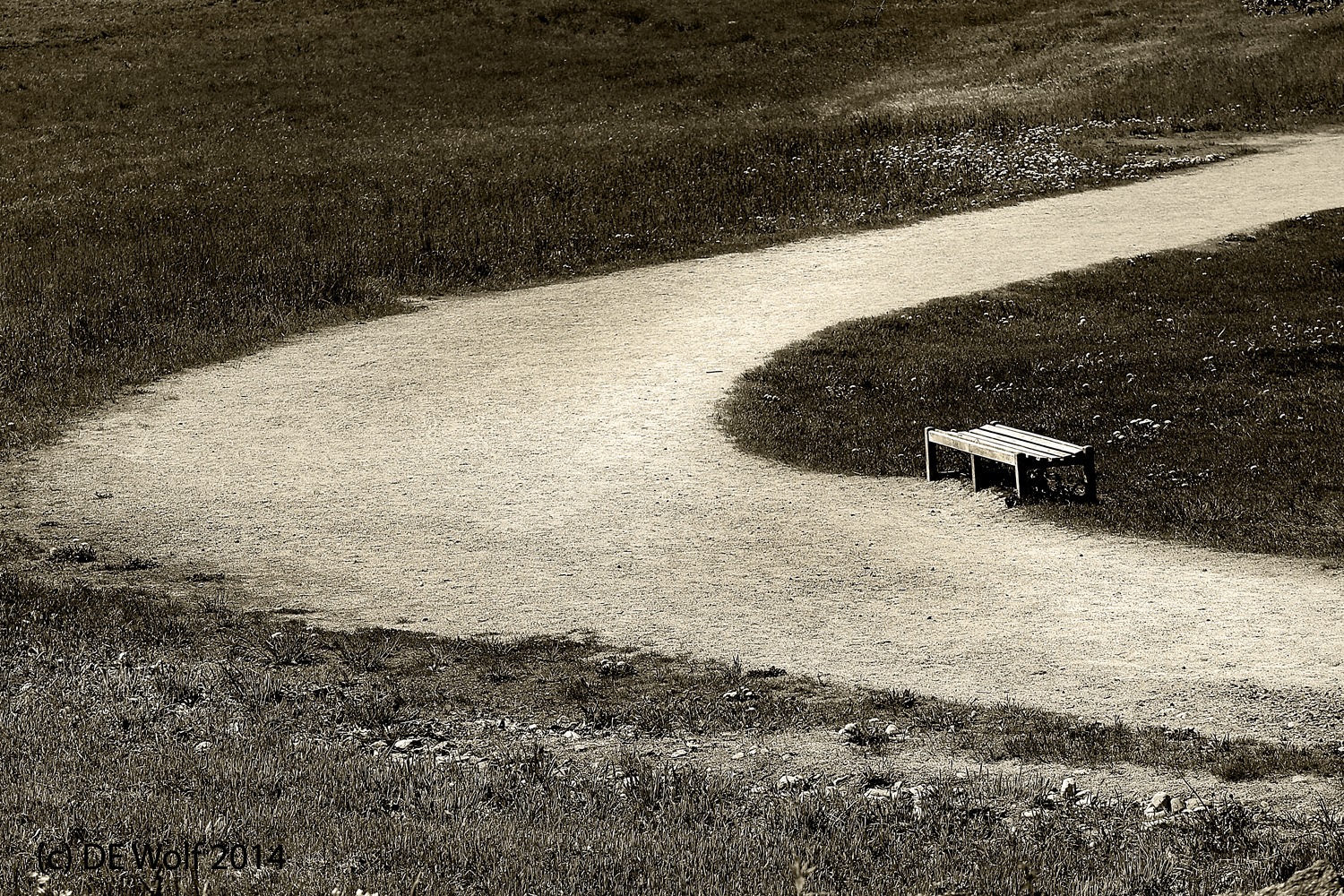
Figure 1 - Bend in the Road, (c) DE Wolf 2014.

Figure 1 – Bend in the Road, (c) DE Wolf 2014.

Years ago, when I was a graduate student at Cornell, one of my favorite places on campus was a bench that crowned and overlooked “Libe Slope.”  The bench was placed there in 1892 by Andrew Dickson White and his wife, Helen Magill White.  It bore the profound inscription:

“To those who shall sit here rejoicing,

To those who shall sit here mourning,

Sympathy and greeting;

So have we done in our time.

1892 A.D.W.–H.M.W.”

There you have it once more – the sense that we may speak to our fellow humans across the otherwise impenetrable abyss of time.

I have carried that bench in my mind with me for over forty years now and truly I think of it often.  I thought of it again this past weekend when I took the photograph of Figure 1, which I entitle: “Bend in the Road.”