News from Hati and Skoll

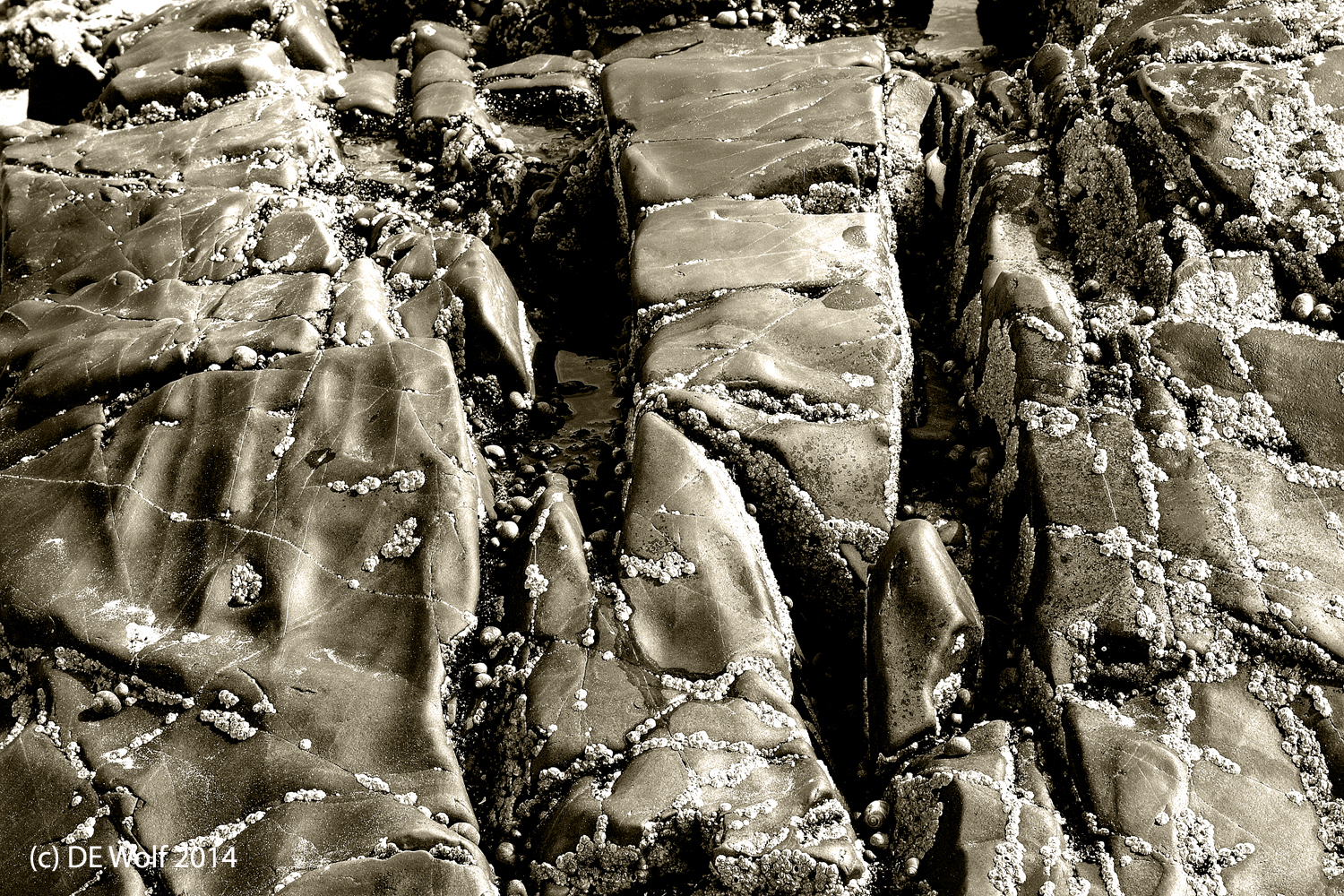
Figure 1 -Kennebunkport Beach, Kennebunkport, ME. (c) DE Wolf 2014.

Figure 1 -Kennebunkport Beach, Kennebunkport, ME. (c) DE Wolf 2014.

Hati and Skoll Gallery is now almost two years old, and I wanted to thank everyone for their interest and support.  It’s really good to know that someone is out there, and I really value all of your comments.

I have made a few changes over this weekend to keep things up-to-date.  First, images from Charleston, SC have now been moved from the New Gallery to appropriate galleries: Places, Man-made, and Cabinet of Nature. The New Gallery now contains a selection of my photographs from Freeport, Cape Porpoise, and Kennebunkport, ME this past June.  It was fun to revisit the experiences that I felt when taking the photographs.  I anticipate in the near future putting together a complete set of images in my Photominimalism Series taken at Kennebunkport and Goose Rocks Beaches in Maine.

In the meanwhile, I hope that you enjoy these photographs and wish everyone all the best for the summer.

David


Super Moon

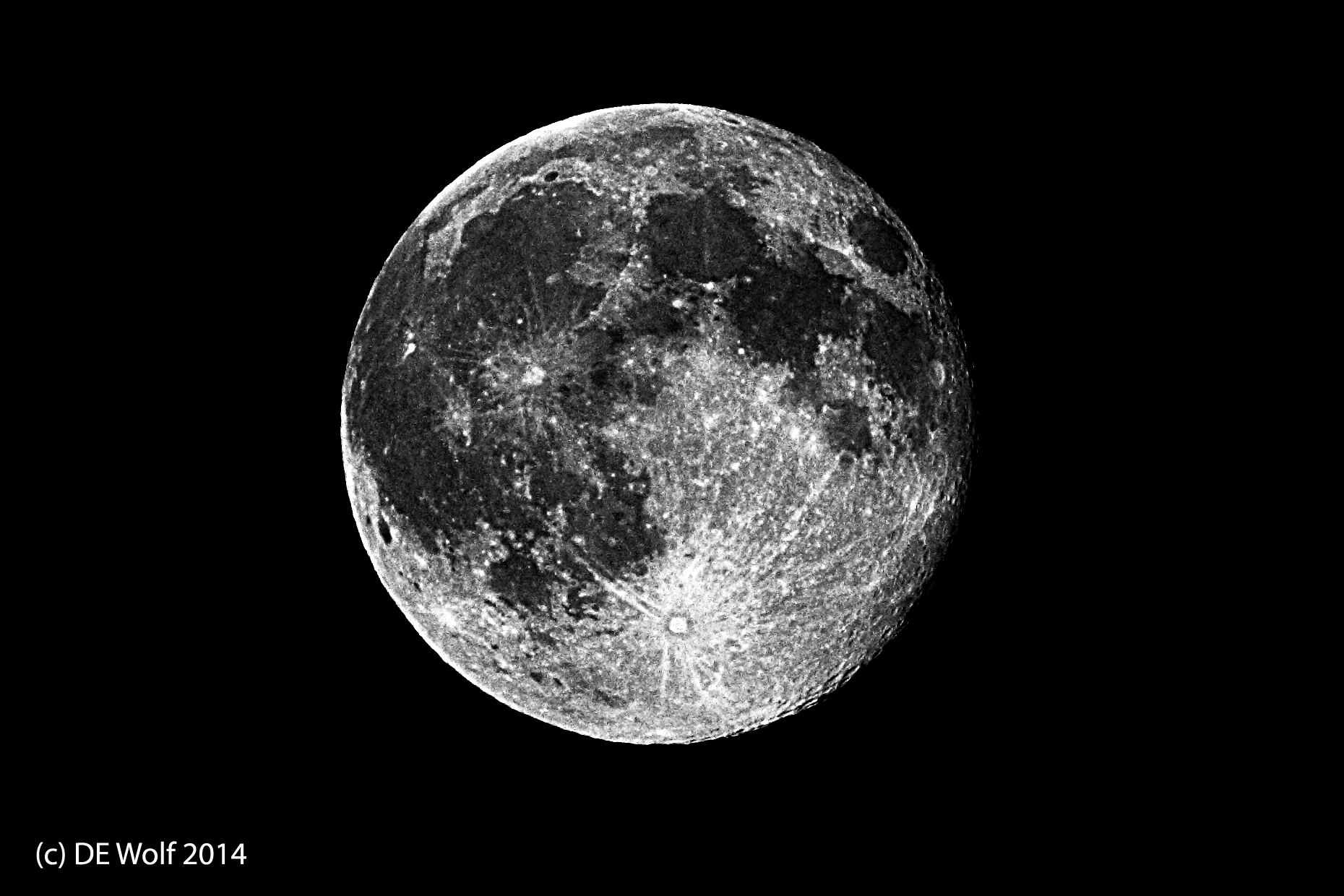
Figure 1 - Super Moon, July 12, 2014. (c) DE Wolf 2014.

Figure 1 – Super Moon, July 12, 2014. (c) DE Wolf 2014.

It is almost midnight here in Massachusetts.  It is just a bit sultry, but the sky is cloudless.  The moon has just risen above the trees.  The weathermen and weatherwomen have been abuzz all day about the “Super Moon.”  This is a relatively rare event, where the full moon is somewhat larger than usual because it occurs when the moon reaches perigee.  This is the point where the moon in its elliptical orbit around the Earth reaches its closest point. For those of you who missed last night, do not dispair.  The next supermoon is August 10, and it will be even closer to the Earth then.

I thought this an excellent opportunity to really put my Canon EF100-400mm f/4.5-5.6L IS USM to the test at its maximum extension of 400 mm, effective focal length because of the chip size is 640 mm.  I tripod mounted the lens and I turned the image stabilization off.  I am told that things get funky if you tripod mount with stabilization on.  OK.  I also choose to shift to manual focus.  I also chose manual exposure and used the old rule of thumb 1/ISO at f/16; so since the ISO was 400, I used 1/1250 at f/8.0.  The results are shown in Figure 1.  I am very pleased with the image.

And as I fended off mosquitoes and took this picture, my thoughts wandered to consider John Draper (1811 – 1882).  His first daguerreotype of the moon was taken on March 26, 1839.  I do a quick calculation to add to my wonder – 175 years ago.  That is nothing compared to Galileo Galilei, who turned the first glass to the moon over fiver hundred years ago.  And he said simply:

“It is a beautiful and delightful sight to behold the body of the Moon.”
Galileo Galilei, The Starry Messenger, Venice 1610: “From Doubt to Astonishment”


It’s not raining on my parade!

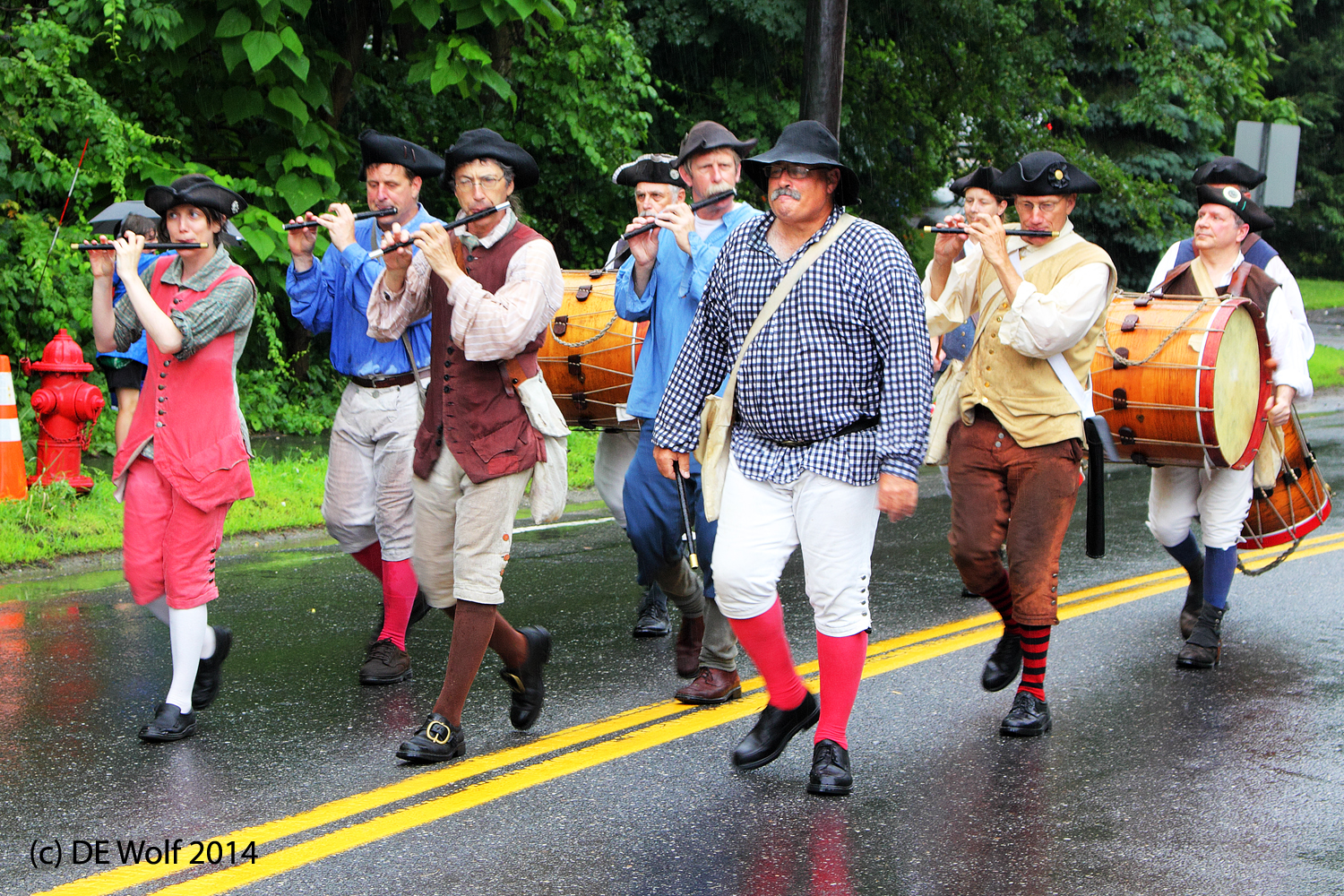
Figure 1 - The Sudbury Minutemen march in the rain at the town's Fourth of July Parade 2014/ (c) DE Wolf 2014.

Figure 1 – The Sudbury Minutemen march in the rain at the town’s Fourth of July Parade 2014/ (c) DE Wolf 2014.

As many people know.  This year’s Fourth of July was a bit of a washout in the Boston area.  The first hurricane, named Arthur, of the year barreled up the East Coast.  The Boston Pops Concert on the Espanade, which has defined the Fourth of July for me, even years before I moved to Boston, was shifted to the Third of July, and even then they had to curtail the playing of Tchaikovsky’s 1812 Overture because a cold front was driving storms  into the area. Pure sacrilege!  People scrambled and raced from the Esplanade as a deluge of biblical proportions bore down on the City.

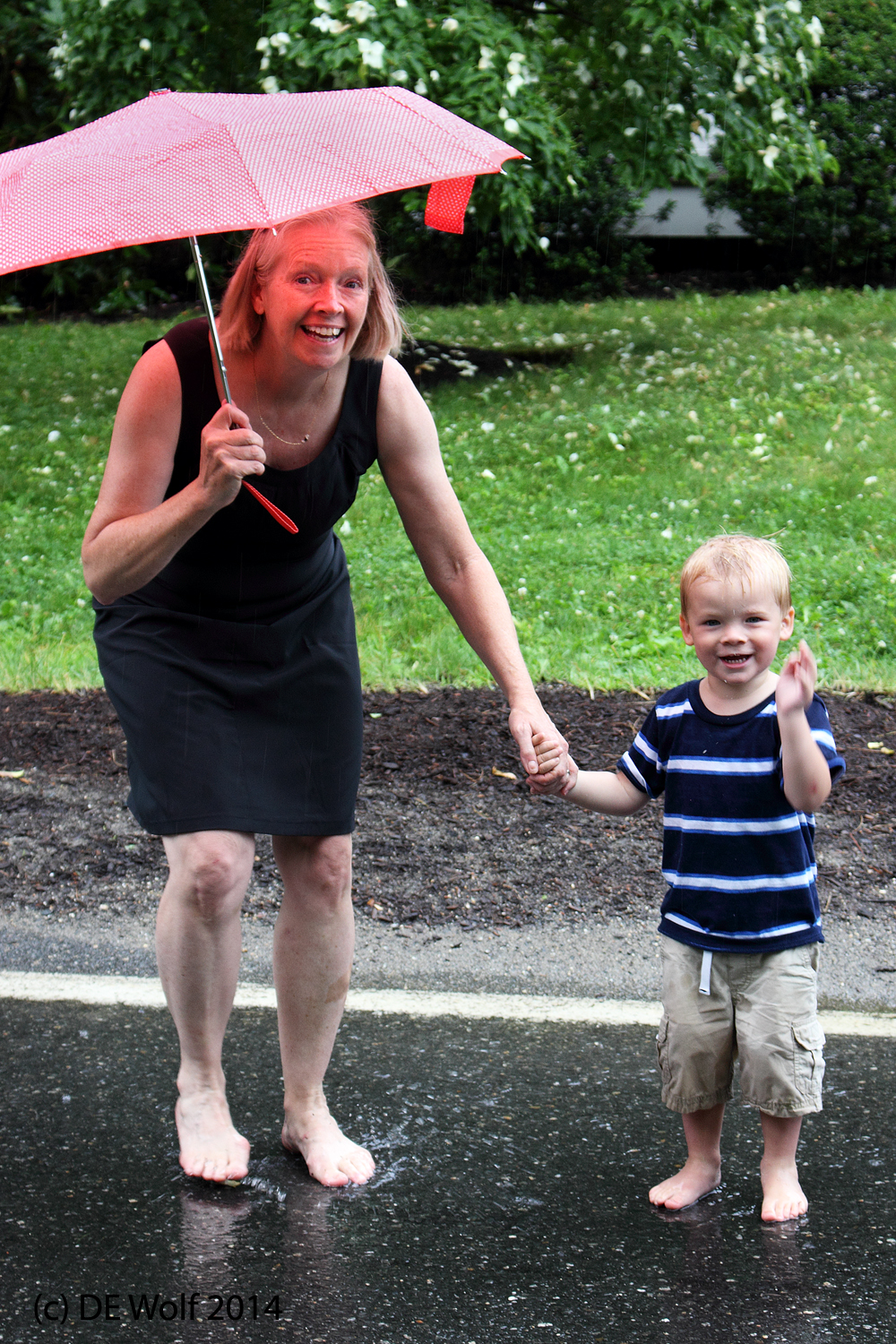
Hmm!  Sudbury’s hometown parade was rain or shine! And as the Sudbury Minutemen marched up the street (Figure 1) playing their fifes and drums, one might have thought that it was raining on our parade.  Well never mind that.  As little Charlie recognized you can have fun in the rain if grandma Donna is willing to dance in the puddles with you (Figure 2).

Figure 2 - "Dancin' in the rain." (c) DE Wolf 2014.

Figure 2 – “Dancin’ in the rain.” (c) DE Wolf 2014.

Minimalism #12

Figure 1 - Minimalism#12, Kennebunkport, ME. (c) DE Wolf 2014.

Figure 1 – Minimalism#12, Kennebunkport, ME. (c) DE Wolf 2014.

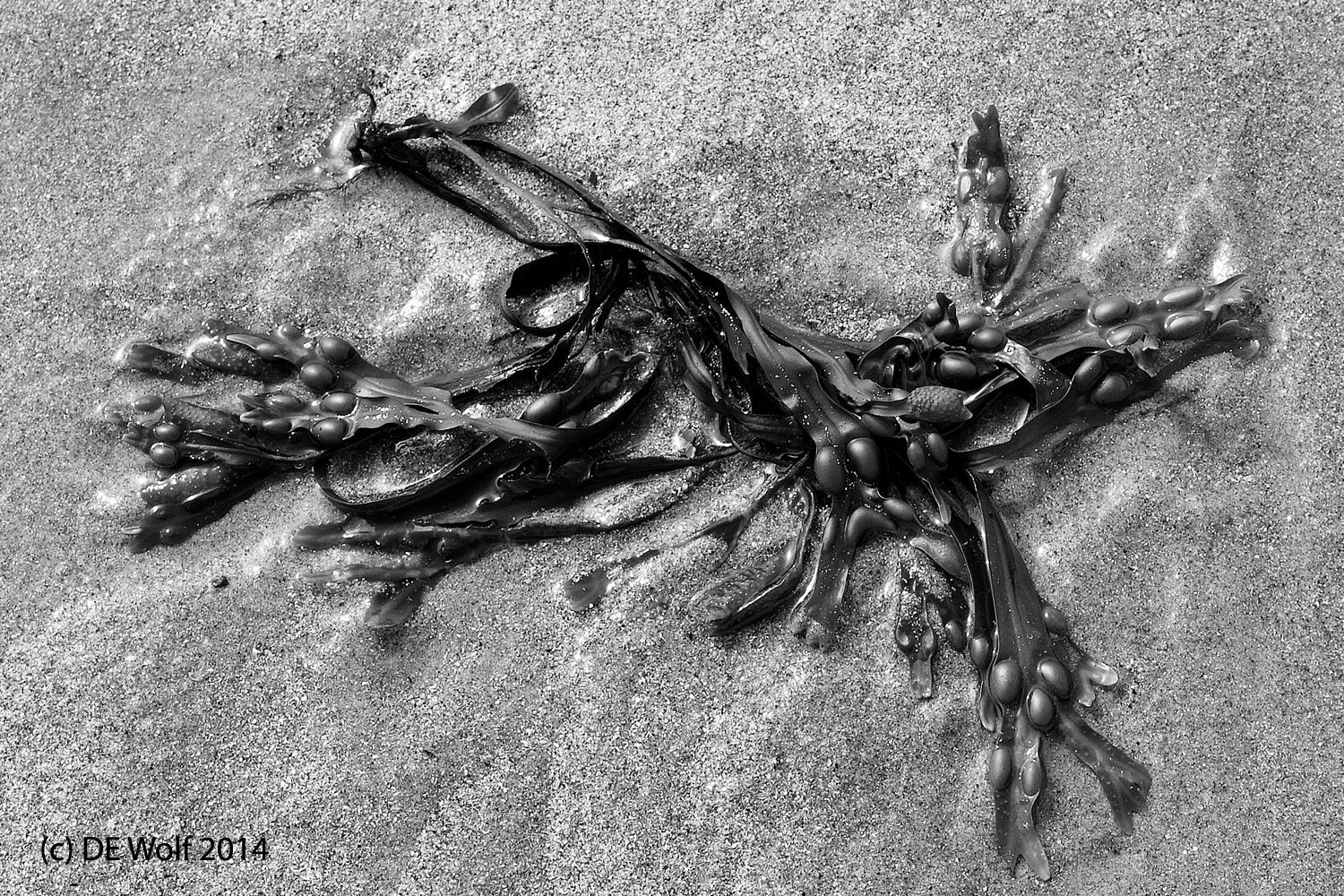
I spent a lot of time this past weekend working on my photominimalism project.  Right now these are pictures taken in Kennebunkport of seaweeds and other flotsam on the beach.  The idea is to mimic minimalist art: a strand of seaweed or a shell creating patterns in the sand.  It is a surprising challenge because of the relatively narrow dynamic range.  But the variety of effects, particularly with the seaweeds in different states of wetness is wonderful and intriguing.

I found myself particularly excited about Minimalism #12 which is a very moist clump of seaweed.  Perhaps it test the “outer envelope” of true minimalism, as there is a lot of structure and detail. It seems more to encroach on the genre of Edward Weston. But I really love it; so I thought that I would share under the canon that the artist makes the rules and can bend or reforge his own rules.

A clockwork orange

The Balzer Family Clockwork at LL Bean, Freeport, ME. (c) DE Wolf 2014.

The Balzer Family Clockwork at LL Bean, Freeport, ME. (c) DE Wolf 2014.

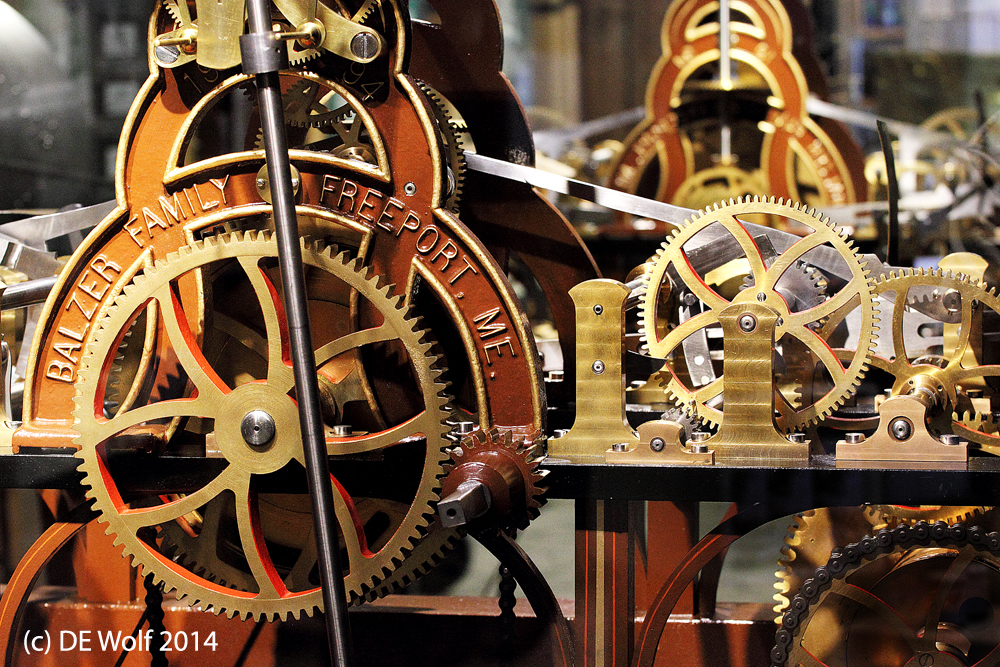
This is a photograph that I took at LL Bean’s in Freeport, ME.  It is a clockwork and, yes, it is orange. 8<)  The Balzers are a family of tower clock restorers, and this commissioned work for LL Bean was manufactured in 1994.  It was dedicated Freeport-born Aaron L. Dennison (1812-1895), who was born, who is is recognized as the father of the watchmaking industry in the United States.   This is the first mechanical “tower” clock manufactured in the United States since 1963.  The clock mechanism drives a huge drum which has pegs that strike out the musical notes by engaging microswitches that activate the corresponding chime tube hammer and thus playing the note.  The tune can be changed by altering the pin locations. The tome of these chimes is magnificent. They raise the hairs on the back of your neck when they are played.

This is a striking and beautiful clock work.  Photographically the trick is two-fold.  First, you have to catch the glitter of the brass.  And second, you have to avoid the reflections in the glass that protects the mechanism from adoring but probing hands.  This glass problem is common and I have run into it often in malls and museums.  It makes catching the metal with flash difficult and often impossible. And, in  my experience using a polarizing filter helps but doesn’t solve the problem. I am pretty happy in the end with this picture.  There is a bit of annoying glass glare in the lower right that I could not totally eliminate.

Canon EF70-200mm f/4L USM lens at 70 mm, ISO 1600, Aperture Priorit-AE with -1 compensation, 1/100th sec at f/5.6.


Stairs to where

Figure 1 - Stairs, Kennebunkport, ME. (c) DE Wolf 2014.

Figure 1 – Stairs, Kennebunkport, ME. (c) DE Wolf 2014.

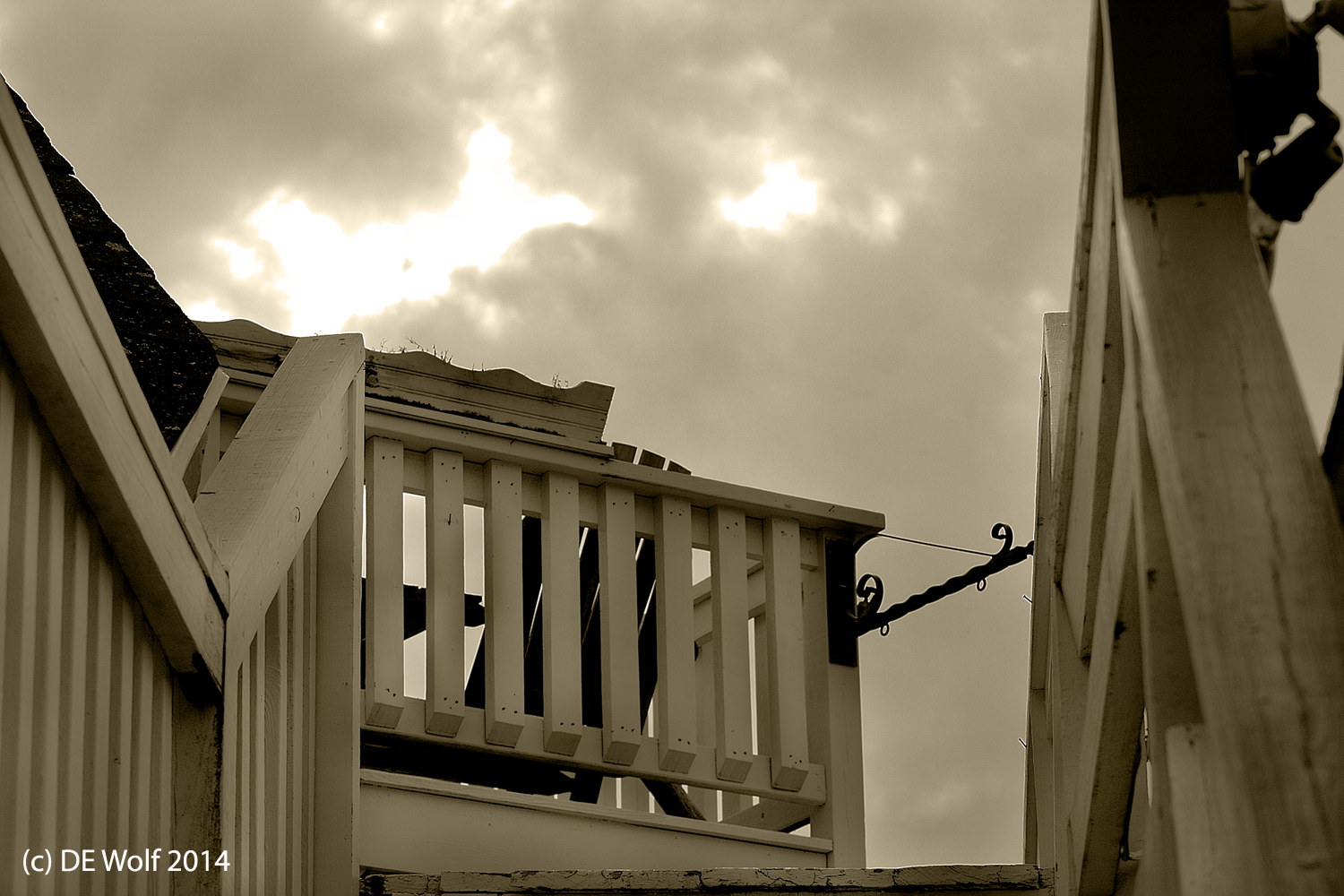
As every photographer knows, it’s all about the light, and in this particular photograph – again weathered wood in Kennebunkport’s Dock Square – I was beckoned by the light.  The high dynamic range was challenging as were the weird angles Of course, the weird angles merely represent a puzzle to be solved – a puzzle that required very careful framing and attention to all of the details.  In the end I particularly like the slightly out of focus vertical in the lower right.  When I concentrate on the specifics, I am kind of amused by the little stems poking out of the flower box and where dirt and soil have collected on the bottom edge of the box. This is when you know that your lens is delivering!

One of the nice elements of such a photograph is that when I return to this place in the future, when the light will be different, I will remember this photograph.  I suppose that the same must be true for people who paint.  When you have spent so much time studying and capturing a particular moment in time and place, it is always there in your memory.

A little boy came out of a shop just as I was taking this picture, and he laughed at the silly man with the long monopod and camera.  My monopod was extended maximally, and it was propped on a step at the bottom of the stairs and tilted at a large angle.  What a funny man!

Canon EF70-200mm f/4L USM at 70 mm, ISO 400, Aperture Priority, 1/1250 th sec at f/8.0 no compensation.


Behind Dock Square – an infinity of image possibilities

Figure 1 - Behind Dock Square, Kennebunkport, ME. (c) DE Wolf 2014.

Figure 1 – Behind Dock Square, Kennebunkport, ME. (c) DE Wolf 2014.

The central square in Kennebunkport, referred to as Dock Square is pretty, but also pretty innocuous. Many of the shops and restaurants have been around for a very long time: The Colonial Pharmacy, Compliments, and Alison’s. However, it all gets really interesting from a camera perspective if you go behind the buildings to look at the water.  There you are greeted by a photographer’s paradise of wood white-washed by harsh weather.  As you can see from Figure 1 there are all sorts of angles and parallel lines to be contemplated and framed into a photograph.

What intrigues me the most is that I am constantly called back year after year to photograph the dock and the tidal mud flats behind the bridge.  The light is always different, and you invariably bear the scars of the failed photographs of the past and the hope that this time you will be successful.  But even success is a fleeting chimera because the reality is that when you come back again, the light will be different, raising the very really possibility that you can still create a better photograph. There are an infinity of possibilities.

Minimalism Series

Figure 1 - Minimalism #1, Kennebunkport, ME. (c) DE Wolf 2014.

Figure 1 – Minimalism #1, Kennebunkport, ME. (c) DE Wolf 2014.

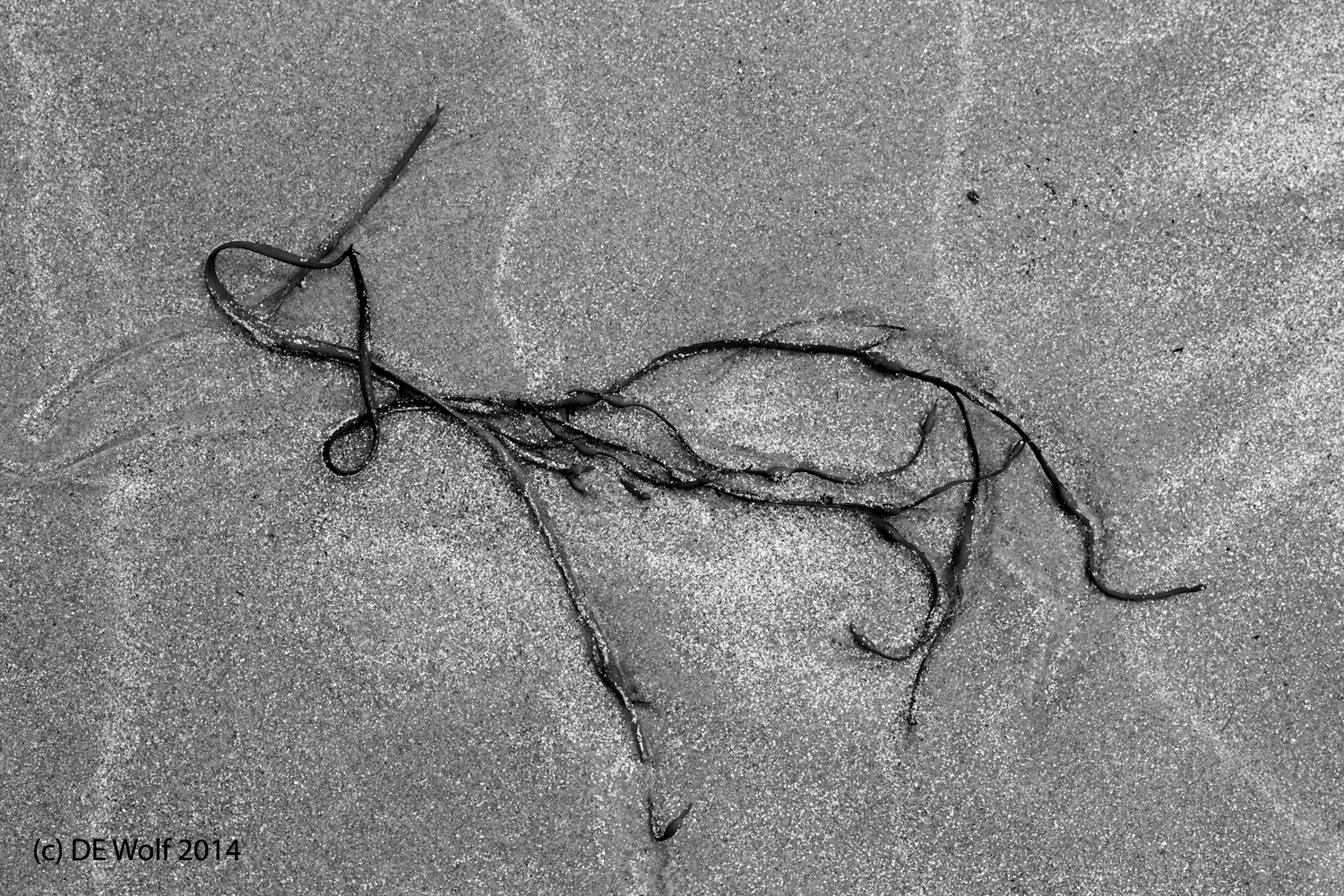
One of the projects that I worked on in Kennebunkport, I refer to as the “Minimalism Series.”  It was inspired by the video documentary “Herb and Dorothy [Vogel].” The Vogels were prodigious collectors of minimalist art, which might be a piece of string arranged on a board or a few dots on a piece of paper.  Interestingly some of these can affect you profoundly. Two years ago, on a previous visit to Kennebunkport, I was struck by the simple yet intriguing patterns made by strands of seaweed on the sand.

My visit then was marred by the realization that the second party lens that I was using just wasn’t up to the task of sharpness.  It was an important issue learned. So I returned this year with my 18-55 mm IS Canon lens, and the results were significantly better. 
There is  lot of work to be done to work-up the thirty or so images from this year’s photo-shoot.  But for now I thought that I would post Figure 1, which is a prime example.  It reminds me very much of a petroglyph, perhaps a deer or bison hunted and killed with a spear to the head.  At least that is how the image speaks to me.
EF-S18-55mm f/3.5-5.6 IS STM lens at 51 mm, ISO 400, uto focus, Aperture Priority-AE mode, 1/500th sec at f/9.0, +1 compensation.

Fathers’ Day, a time for rosemary

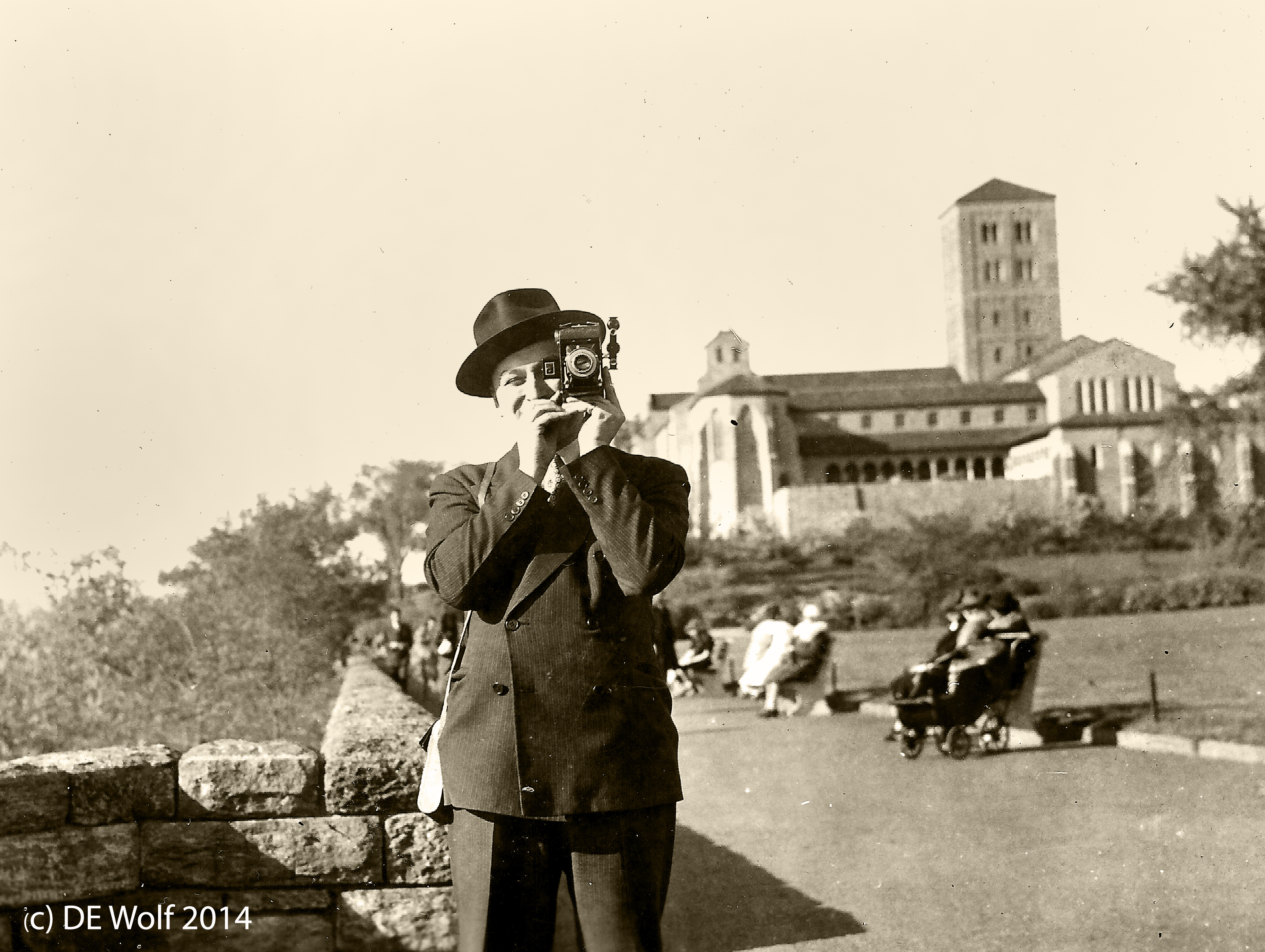
Figure 1 - Hyman Wolf with the camera at The Cloisters c. 1930. (c) DE Wolf 2014.

Figure 1 – Hyman Wolf with the camera at The Cloisters c. 1930. (c) DE Wolf 2014.

Today is Fathers’ Day; so I thought that I would share a couple of photographs with you.  The dapper young man in Figure 1 is my father Hyman Wolf around 1930.  His mother called him Hymie and his friends called him Hy.  The joke, of course, was always: “Hi Hy.” New Yorkers will probably recognize the location of the photograph as The Cloisters in Fort Tryon Park.

My father took my sister and me to museums just about every weekend, and The Cloisters was one of his and our favorites.  He had an amazing encyclopedic knowledge of things especially the nature world.  He was a gifted and inspiring science teacher at Charles Sumner Junior High School 65 in Manhattan, for most of his career. Often at the American Museum of Natural History we would find that we were being followed by other families listening in to my father’s explanations.  I credit my father for teaching me to ask why.

I have to apologize for the quality of the photographs.  My father took his photographs with a beloved Ciroflex twin lens reflex camera that was 2 1/4 ” by 2 1/4 “.  He made contact prints or had contact prints made.  So they stayed that size and looking at them now, they really aren’t very sharp.

I also wanted to share Figure 2. It shows my father again as a young man here in recital on the piano.  He had a great love of music that lasted all his life.

Taken together the two figures here illustrate an important point about the role of photography as documents in our lives.  We have spoken about how they transverse time and give us a glimpse of how people were then.  But it is always significant to recognize that it is ever a construction.  We are not seeing people how they really were but as how the photographer saw them, or in some cases how the subject wanted to be seen.

I have chosen these two photographs because I think that they would have made my father smile.  They represent, I think how he would have liked to be seen, as he saw himself.

I owe a huge debt to my father. When I reached college, we would discuss physics specifically quantum mechanics and relativity theory for many hours.  My father just wouldn’t follow or accept it.  Somewhere along the way I had passed him, at least in these subjects.  It felt strange like the first time that I beat him at chess.  I never knew if I really beat him or if he allowed me to beat him.  I do know that in my father’s library there was a little John Dent edition of Ivan Turgenev’s “Fathers and Sons.”  I took it down and read it when I  was in college.  Beating your father at chess is inevitable.  He does it because he loves you.  So today I plan on flavoring my meat with rosemary.
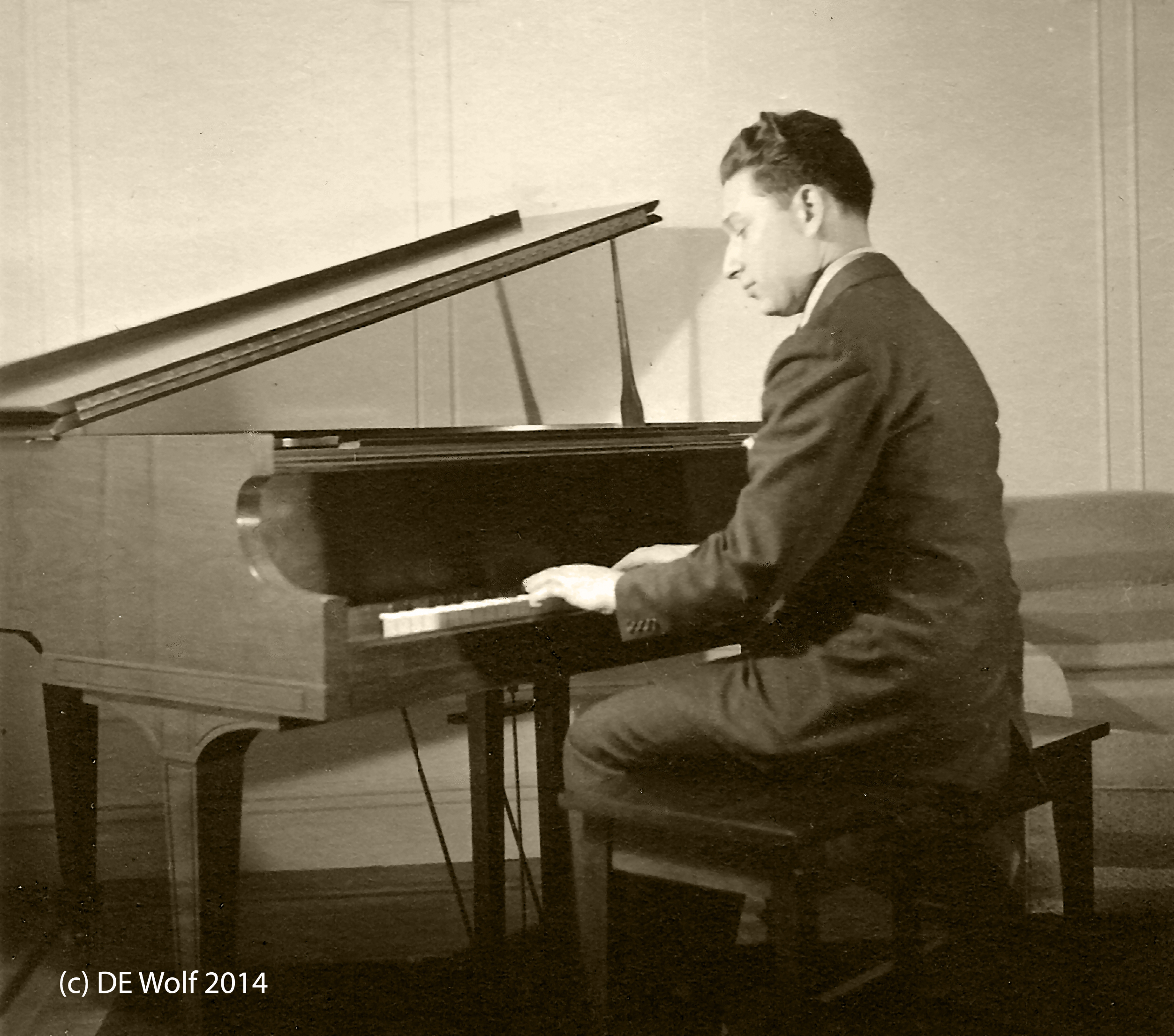
Figure 2 - Hyman Wolf in recital c. 1930. (c) DE Wolf 2014.
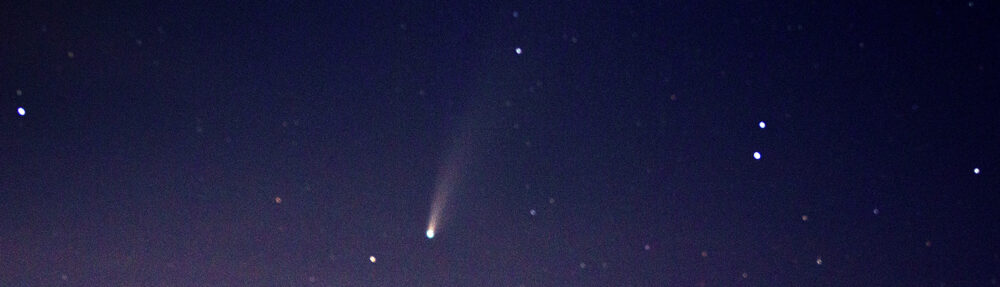
Figure 2 – Hyman Wolf in recital c. 1930. (c) DE Wolf 2014.