Downy Woodpecker

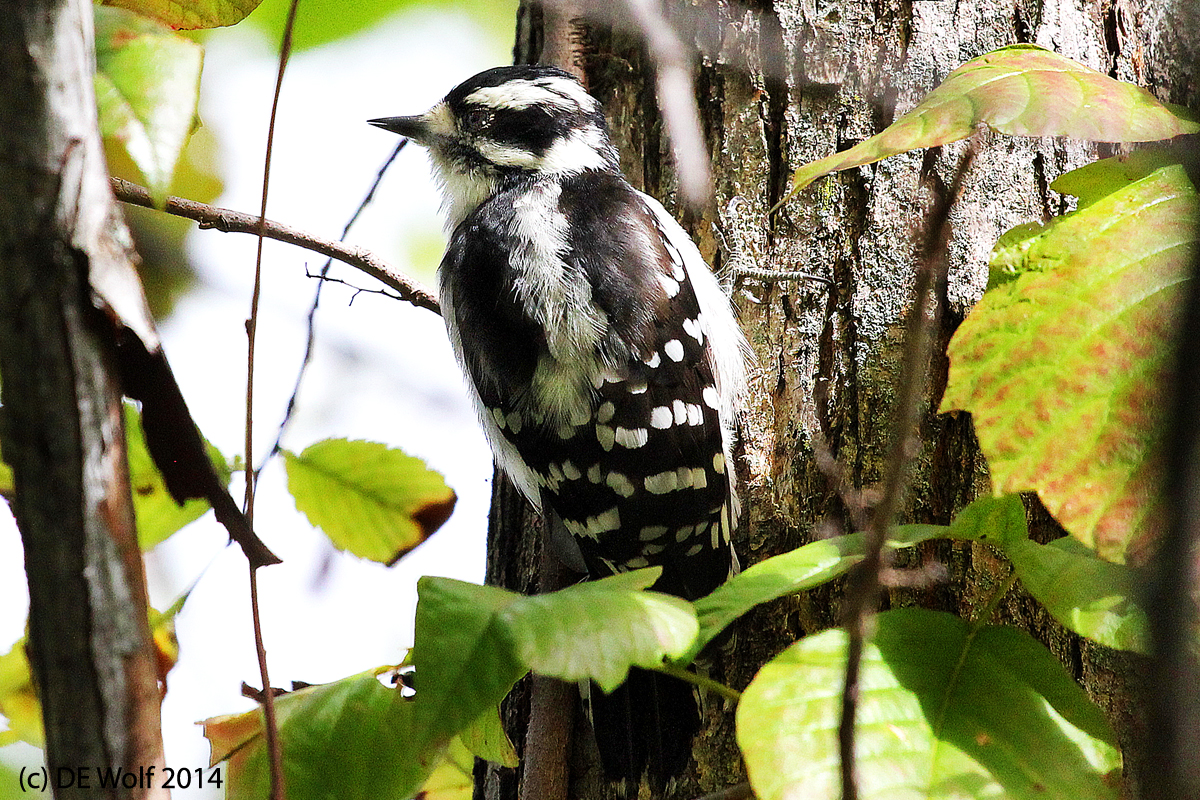
Figure 1 - Downy woodpecker at the Fresh Pond Reserve, Cambridge, MA. (c) DE Wolf 2014.

Figure 1 – Downy woodpecker at the Fresh Pond Reserve, Cambridge, MA. (c) DE Wolf 2014.

My adventures trying to learn bird photography continue.  I have done some research on this and found essentially little of any use: use big lens, use image stabilization, use 1 over the focal length of the lens as the shutter speed, be patient, take lots of images (snap, snap, snap), and GOOD LUCK.  Well, THANK YOU VERY MUCH!  I guess it’s one of those things that you just have to learn for yourself.  What I’ve learned so far is that birds are afraid of me and too busy trying to eat and survive to pose for photographs. On the other hand, if you recognize that they are the modern descendants of dinosaurs, they probably have it right.

This past week I went out with by 70 to 200 mm zoom lens, translates to 142 to 320 on the Canon T2i.  I decided in favor of flexibility and spontaneity rather than using my monopod, despite that fact that this lens is not image stabilized.  It is beautiful but not image stabilized.

For some reason the woodpeckers were out in force at Fresh Pond.  I imagined their world screaming with insects that I could not hear just below the bark of the trees – well maybe not screaming.  But there was a lot of tapping going on, and I took a lot of photographs.  I used center focusing and just keep shooting, starting from a distance and moving in.

Figure 1 is an example of a reasonably successful photograph of a downy woodpecker, Dendrocopus pubescens.  If you are wondering why I give the species name, it’s a scientist thing. Oh all right maybe it is an affectation.

This particular woodpecker is a female and has no red cap.  The short beak identifies it as a downy as opposed to a hairy woodpecker as does the ladder of black bars just visible on the underside of its tail.  I am pretty happy with the composition and sharpness.  The one big problem is that it was an overcast day.  There was little contrast and as result very little catch-light in the bird’s eye.  I accentuated it a bit, but the positioning still leaves its looking somewhat vacant.

I absolutely love the tufts of downy feathers on the bird’s back.  Note the slightly green tinge on the very bottom.  A very nice part of modern day digital photography is the intimacy that  you form with your subject as you delicately retouch and manipulate in your image processing program.  I think that the very fact that you are working with a positive image as opposed to a negative enhances this intimacy. And of course, there is the fact that it is so so immediate.  In any event here is Madame Wood Pecker, and I enjoyed sharing a crisp late summer’s day with her.

Canon T2i with EF70-200mm f/4L USM lens at 188 mm, ISO 1600, 1/2500 th sec at f/5.6 no exposure compensation.
Tribute to Vivian Maier

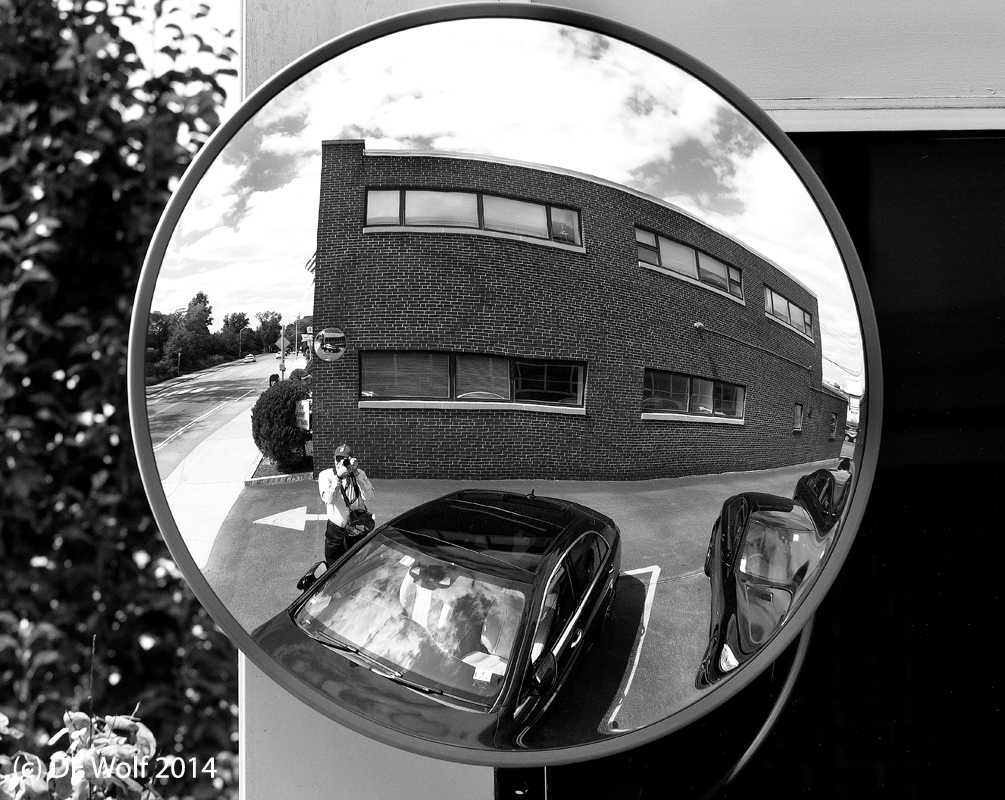
Figure 1 - A tribute to Vivian Maier, self portrait in a convex mirror, Cambridge, MA. (c) DE Wolf 2014.

Figure 1 – A tribute to Vivian Maier, self portrait in a convex mirror, Cambridge, MA. (c) DE Wolf 2014.

I’ve had my eye on this photographic possibilities of this convex parking lot mirror for some time, and maybe haven’t really got it yet.  But the “self portrait” aspect was fun and the curved lines remind me of an old fun-house mirror, distorting and twisting reality.  Most of all this photograph reminds me of  the silent street photographer Vivian Maier, whom we have spoken about before.  I even tried to trim it down to her 2 1/4″ x 2 1/4″ format, but it didn’t work compositionally.

Ms. Maier loved taking selfies in mirror.  There is a certain magic to it. And I think that Vivian Maier reminds all of us amateur photographers of the essential raison d’être for taking photographs that is for the love it. It is not just for the love of the act of photographing or of the final product.  It is for the love of light and the tricks it plays for the visually perceptive, and it is for the shared camaraderie of all who love it with us.

Canon T2i with EF70-200mm f/4L USM at 75 mm, ISO 1600, AE-Priority  Mode 1/3200th sec at f/5.6 no exposure compensation.
Impressionist puddles

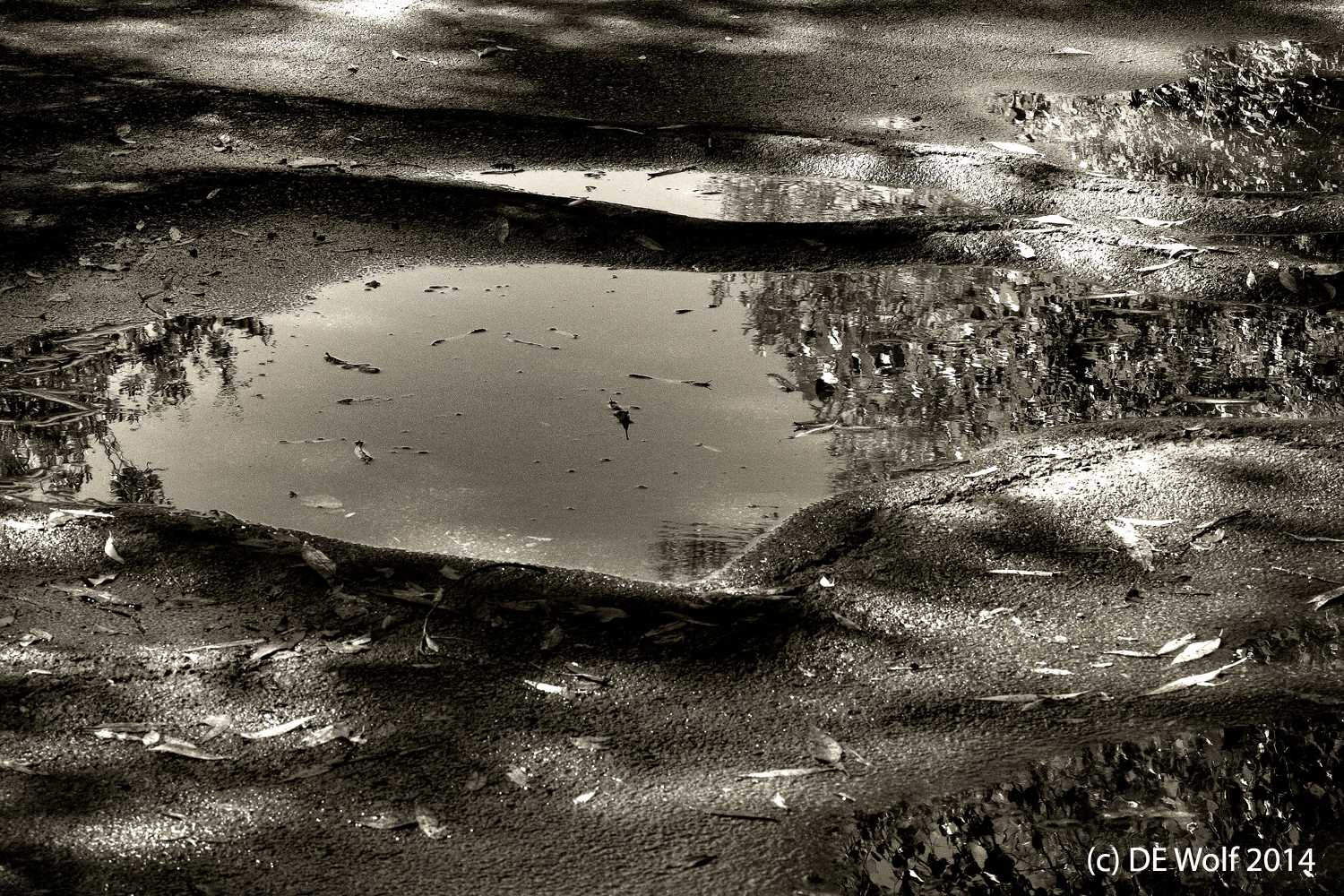
Figure 1 - Puddles in frost heaves by the Cambridge Waterworks, Cambridge, MA. (c) DE Wolf 2014.

Figure 1 – Puddles in frost heaves by the Cambridge Waterworks, Cambridge, MA. (c) DE Wolf 2014.

I was wandering around the Cambridge Waterworks during lunch on Friday in search of photographs.  The weather was perfect, I mean perfect!  And the lake was just spectacular.  But nothing was photographically striking me.  Then I made the right move of looking down and at a deeply shaded portion of the path I can upon some very serious frost heaves in the asphalt.

For those of you who do not live in northern climes, allow me to explain.  Ice is less dense than water.  More physics blah, blah, blah … This has two effects.  First, it causes ice to float on water.  Second, it causes frost heaves, where water beneath the pavement expands on freezing during the winter and causes the road to buckle.  This in turn leads, in part, to the autoshop’s friend and cash-maker, “pot holes!”

These particular frost heaves, the result of probably man winters of freezing and thawing were huge.  As a result large puddles of water had collected between their protective dams and these were reflecting the trees and skies bathed in a glorious September light.  Have I mentioned the glory of September light before? 8<}

Well I took a few images, but really only half-heartedly. I was thinking black and white.  But  I wasn’t sure I had gotten the composition right.  When I got home, I dutifully suppressed the color and played extensively with the levels, curves, contrast, brightness, and, of course, toning.  The result is shown in Figure 1. I am not a hundred percent sure about this picture.  But I like the mystery and pictorialist (impressionist) quality of the image.  One is not quite certain what the subject is.  There is a certain element of magic in the highlights on the ground that open up an otherwise darkened place.

Arboreal shells

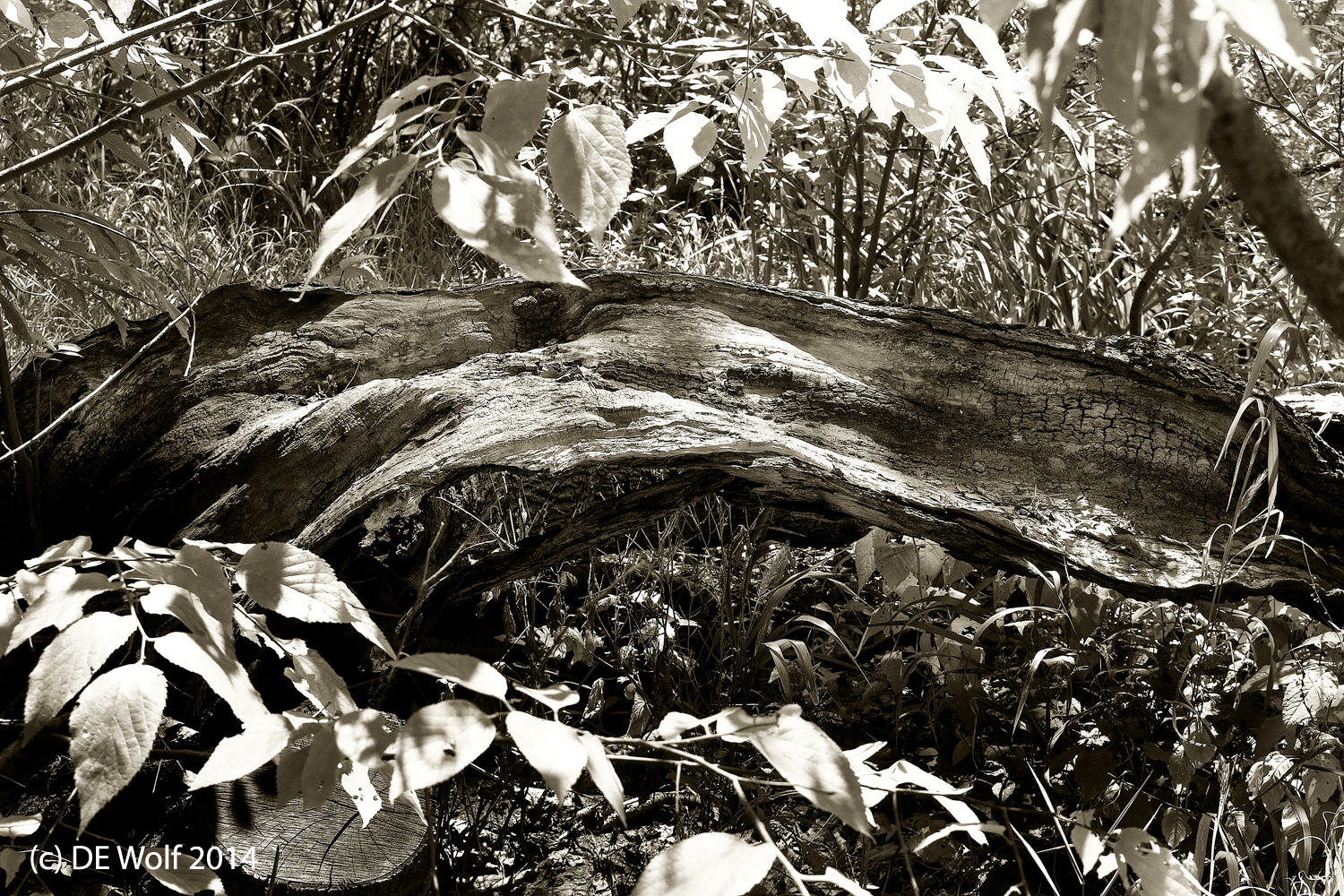
Figure 1 - Decaying Tree Bark, Fresh Ponmd Reserve, Cambridge, MA near Black's Nook. (c) DE Wolf 2014.

Figure 1 – Decaying Tree Bark, Fresh Ponmd Reserve, Cambridge, MA near Black’s Nook. (c) DE Wolf 2014.

I have a couple of more photographs from the Fresh Pond that I wanted to post. I have been intrigued and puzzled by large pieces of twisted tree bark that appeared after a recent late summer storm.  They are held up like bagged trophies by other trees, arranged by artist nature.  Photographing them can be just a bit of a challenge.  First, there is the matter of choosing the right light. Second, they tend to be buried under the canopy, where light only filters in. Third, their length always presents a depth of field challenge. And fourth, photographing them in too harsh a light never quite seems right, while soft diffuse light always seems disinteresting.  Hmm!

So they offer a learning experience. And Figure 1 is an attempt at one of my favorite specimens.  It will not be here next spring, I am sure.  They are ultimately ephemeral.  I took it in August, just as summer was turning into September.

I know that everyone cannot wait for the blah de blah.  Canon T2i, EF-S18-55mm f/3.5-5.6 IS STM Lens at 35 mm (short for me), AE-Aperture Priority Mode, ISO 800, 1/250th sec at f/9.0 with no exposure compensation.

Late summer, Queen Ann’s lace, but not the Lusitania

Figure 1 - Queen Ann's lace at Lusitania Meadow, Cambridge, MA. (c) DE Wolf 2014.

Figure 1 – Queen Ann’s lace at Lusitania Meadow, Cambridge, MA. (c) DE Wolf 2014.

As I have mentioned we are in the last glory days of summer. It is just over a week before the Equinox, the point when the Sun crossed the celestial equator and is midway between its highest point in the sky and its lowest, and this bathes us in a magical September light.

The hot days of July and August have browned the world just a bit. But late summer’s coolness has revived the flowers, particularly the roses. These are now displaying one last beautiful burst before winter.

All summer I have been walking at noontime at the Fresh Pond Reserve in Cambridge, watching the birds, especially the green herons at Black’s Nook and admiring the water and the wild flowers. Every path off of the pond’s perimeter takes you somewhere unique, interesting, and beautiful. Every locale slowing metamorphoses with the calendar’s progression.

I have been particularly intrigued by a place called Lusitania Field or Meadow. This is just a magnificent wildflower garden, just left, or so it would seem, to the whims of nature. But I suspect the hand of the volunteer keepers of the reserve are at work here. Tall masses of daisies, black-eyed Suzies, golden rods, and Queen Ann’s lace abound. Unlike most of the reserve this meadow is subject to an intense sunlight and as a result is a favorite spot for sitting on a bench and having lunch or pushing baby strollers. Dogs chase balls, and yesterday I watched a man submerge himself in grass and flowers retrieving a tennis ball for a grateful terrier. The man emerged covered in nettles and probably ticks.

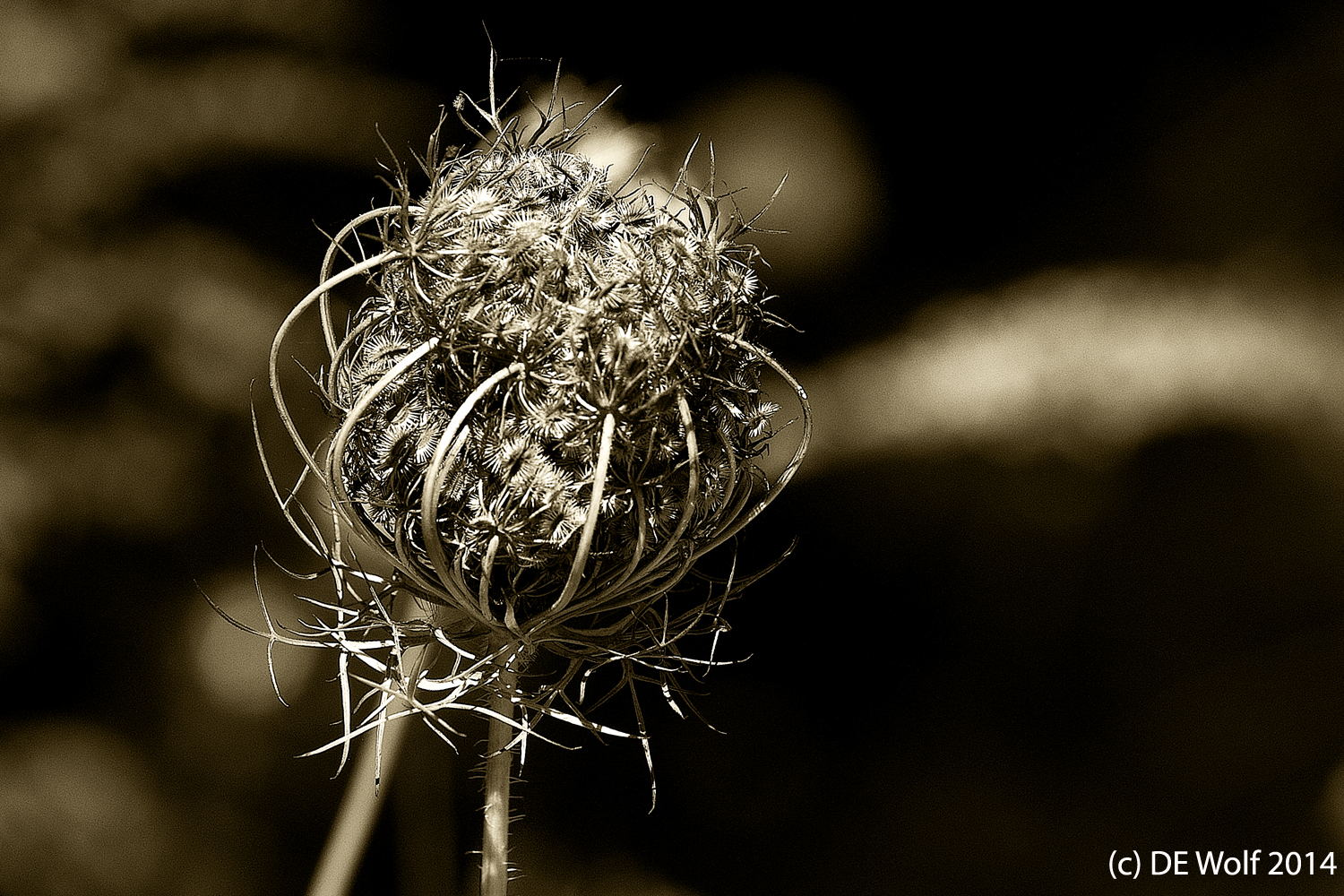
The Queen Ann’s lace has mostly shriveled up to intricate spheres of withered plant tissue, and yesterday I was struck enough by one of these to attempt to photograph it despite the fact that I had “the wrong lens” with me, my 70 to 200mm and no monopod. This is shown in Figure 1. To my view it came out pretty well, and the shallow depth of focus gave me some lovely bokeh. I am hoping in a small way that it captures the light of September and the gentle warmth of the day. I have used a subtle sepia tone.

All summer long I have been laboring under the misbelief that Lusitania Meadow was named in memory of the souls lost on the Lusitania. You can search online the Cambridge newspapers of the day and read the scathing editorials about the brutality of the event. I imagined the sober citizens cantabrigiensis gathered solemnly back in 1915 dedicating this field to the victims and swearing to never forget. Not so, it turns out.

It seems that the word has a common origin with the name of the fated ship. Both are named after Hispania Lusitania, the ancient Iberian Roman province that included all of modern Portugal south of the Douro river and part of modern Spain. The name derives from the Lusitani or Lusitanian people who inhabited this region. There is a proud tradition in Massachusetts of Portuguese speaking peoples, starting with a wave of immigrants from Portugal who came in the nineteenth century to work in the textile mills of Massachusetts, then the capital of America’s industrial revolution, and continuing to the Brazilian of today . I should also perhaps mention the Portuguese who “secretly” fished George’s Bank for cod as early as the fifteenth century. The Portuguese in America formed societies referred to as Lusitania Social Clubs and it is believed that men from this club in the 1970’s cleared the land to use it as a soccer field.

Somehow this story does not diminish the place. History, after all, is history, and every place has its own traditions. I marvel for a while at the wildflowers and then move on.

East Indiaman, Friendship

Figure 1 -"Dory, Salem, MA." (c) DE Wolf 2014.

Figure 1 -“Dory, Salem, MA.” (c) DE Wolf 2014.

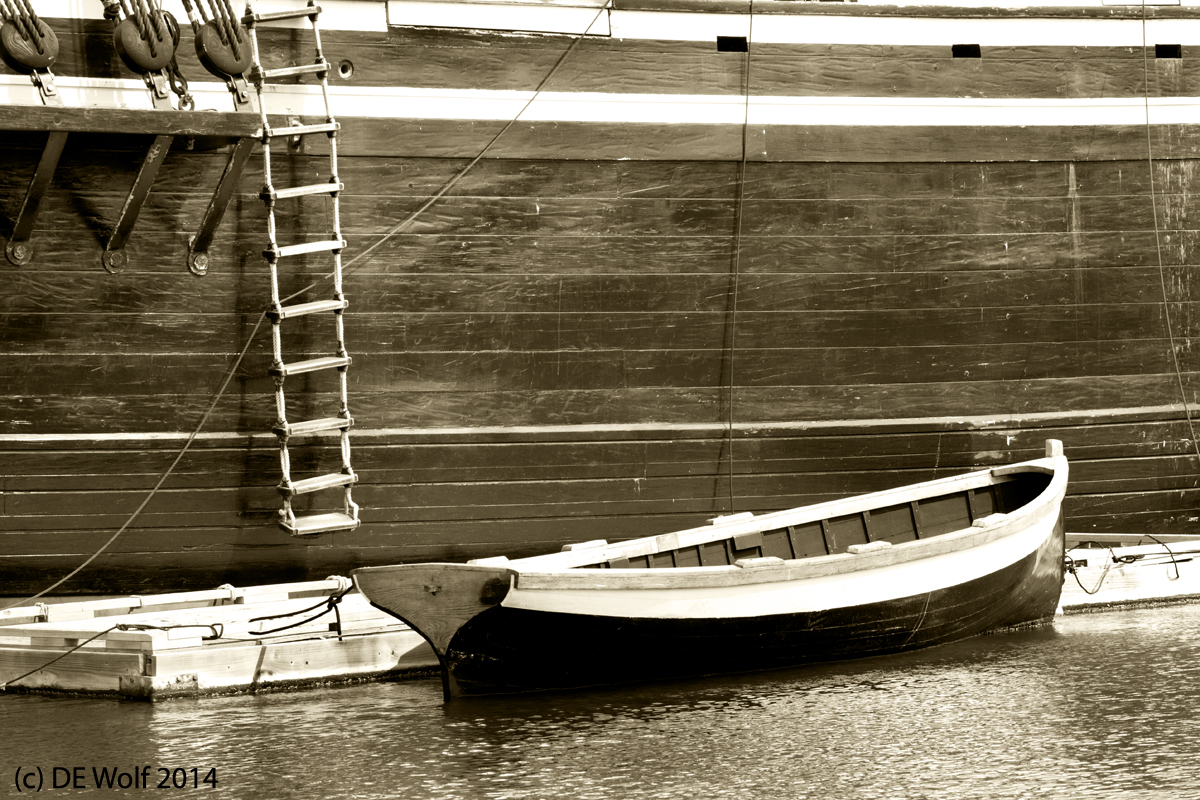
I wanted to post this morning another image that I took at the National Maritime Historic Site in Salem, MA on Sunday.  They have a beautiful reconstruction of an East Indiaman, Friendship that I was photographing.  It is easy to lose yourself in the beauty of the rigging and the masthead.  But I often find that the best photographs are in the details and not where you expect them to be, but more often at different angles and from behind.  This picture I took from as close to water level as possible, by descending the boat launch until my feet were just short of in the water, where I was crunching the dried poppers on the cobblestones. I was interested not in the ship itself but in the dory and the ladder.

This photograph for me is all about composition – like an etude.  I spent a good deal of time composing it. And was happy when the necessary image cropping proved to be minimal.  The goal was to capture the stillness, intensity, and high contrast of a warm summer’s day, where the light was so strong that it made you squint. There was a strong breeze, seen here as the glistening ripples on an otherwise calm surface.

Canon T2i with EF70-200mm f/4L USM lens at 109 mm, ISO 800, Aperture-Priority AE at 1/125th sec at F/16.0 with no exposure compensation.


E pluribus unum

Figure 1 -"E pluribus unum, Salem, MA." (c) DE Wolf 2014.

Figure 1 -“E pluribus unum, Salem, MA.” (c) DE Wolf 2014.

It is, friends, the official end of summer – whatever that means.  New England photographers prepare first for the gorgeous light of September and then for the glory season of autumn.  I will admit to being just a bit psyched.  That’s psyched not psycho!  So it seemed pretty fitting to seek out the sea today.  To touch the Atlantic one more time at least before the winter. We went up to Salem Massachusetts to the National Maritime Historic Site and to the Peabody Essex Museum to see, before it closes the exhibit “J. M. W. Turner and the Sea.

It was an amazing day, fist weather-wise.  But then I found myself having lunch in the tap room of the Hawthorne Hotel and I realized that almost fifty years ago to the day, August 1964, I had dinner there with my parents.  It is funny how the time machine of life goes.  And I am always amused to read the wall exhibits at the Inn about the shooting of an episode of the television series “Bewitched” there in 1970.  For how much longer will the fading collective mind of a generation remember that television series?

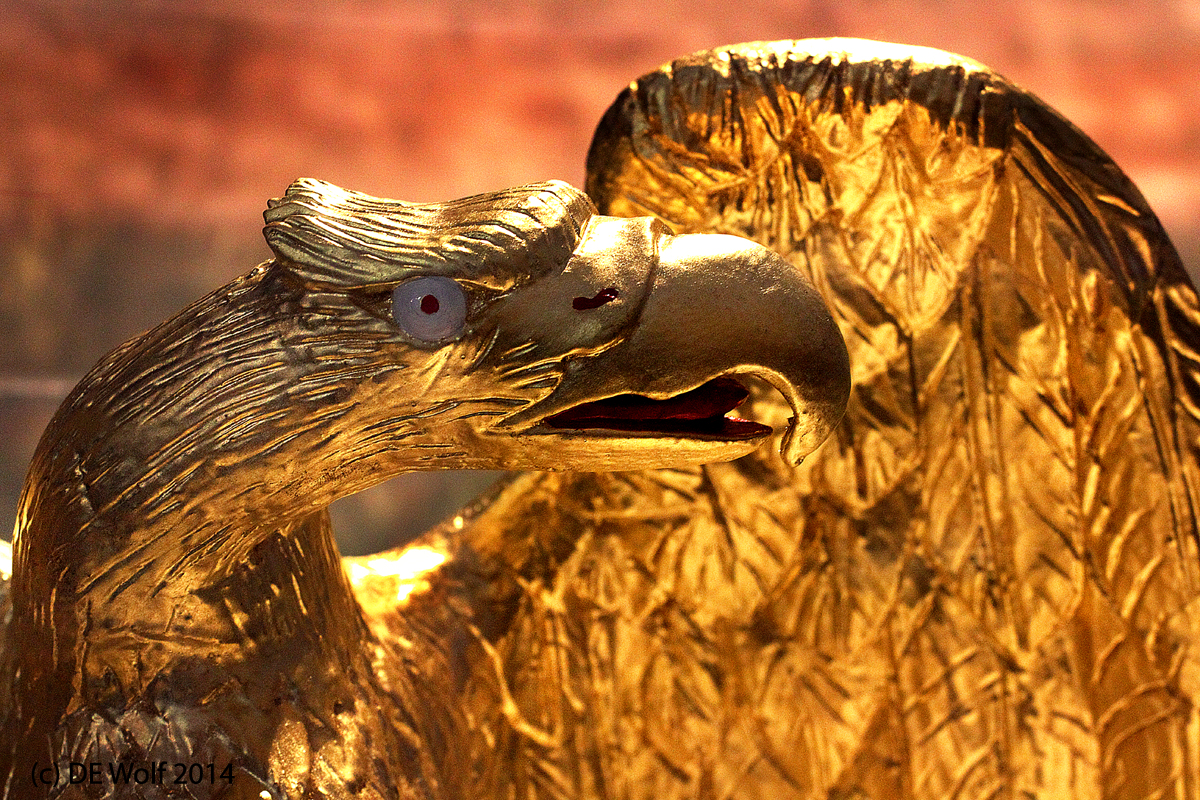
Nathaniel Hawthorne (1804 – 1864) was born in Salem, MA, then a teeming seaport and the capital of the “China Trade.”  The “House of Seven Gables” is preserved as is the “The Customs House,” were Hawthorne actually worked.  There is a magnificent gilded American Eagle atop the Customs House a three-dimensional variant of The Seal of the United States, “E pluribus unum” – “Out of the many, one.”   I took a few photographs of the eagle, but the distance is trying.  I found a smaller replica at the National Parks Service’s Vistor’s Center, got down on the floor to get the angle that I wanted, and used my 70 to 200 mm lens at 91 mm from a few feet away to achieve the in the eagle’s face off center look that I wanted.  Since the light was low, I shot with an ISO of 3200.  I don’t find that too grainy in the digital world, and it enabled me to use 1/80th sec (approximately 1/focal length) necessary because the lens is not image stabilized. Note the catch-light in the eagle’s eye.  It is not added and gives a real-life sense to the bird.  I got home and was delighted to find that I could achieve exactly the tone and mood that I wanted.

Canon T2i with  EF70-200mm f/4L USM lens hand-held at 91 mm, ISO 3200, Aperture-Priority AE, 1/80th sec at f/5.6 with no exposure compensation.

Of the Charleston Chew, the Charleston, and Josephine Baker

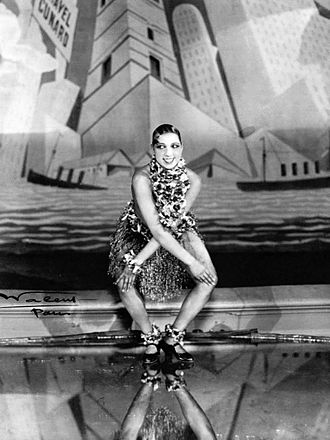
Figure 1 - Josephine Baker dancing the Charleston in 1926. From the Wikimediacommons and in the public domain because of expired copyright.

Figure 1 – Josephine Baker dancing the Charleston in 1926. From the Wikimediacommons and in the public domain because of expired copyright.

As a follow-up to yesterday’s post about “The Charleston Chew,” the question may be asked why a Boston manufactured candy would be named after Charleston, SC and not Charlestown, MA, where the USS Constitution resides.  Well the answer, perhaps obvious, is that the Charleston Chew is named after the the dance the Charleston, which was so popular at the time it was invented, if candies are invented, or introduced.

The Charleston was indeed. named for the beautiful city of Charleston, South Carolina. It was popularized by a 1923 tune called “The Charleston” by composer/pianist James P. Johnson from the Broadway show “Runnin’ Wild.” The rest, as they say, was history.  The dance electrified and defined the decade and its generation.

There is some wonderful vintage images to share regarding the Charleston.  The first is the photograph of Figure 1 showing the incomprable Josephine Baker dancing the Charleston at the Folies Bergère, Paris, in 1926.

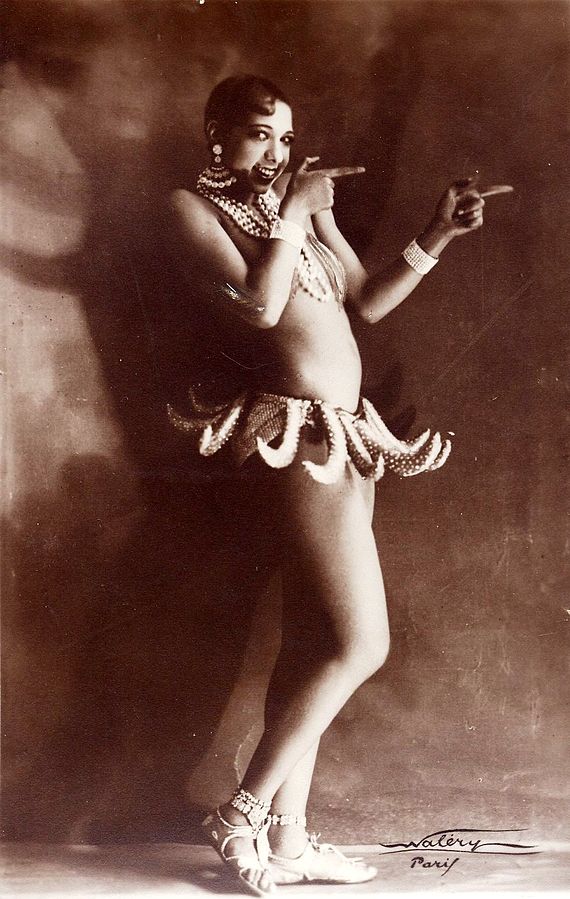
Figure 2 - Josephine Baker in her world famous banana costume.  Photograph by Walery, French, 1863-1935, from the Wikimedia Commons (uploaded by http://www.sheldonconcerthall.org/bakerpress.asp) and in the public domain because of copyright expiration.

Figure 2 – Josephine Baker in her world famous banana costume. Photograph by Walery, French, 1863-1935, from the Wikimedia Commons (uploaded by http://www.sheldonconcerthall.org/bakerpress.asp) and in the public domain because of copyright expiration.

Wonderful image!  Baker, of course, was a the first African American superstar and a heroine of civil rights. After Martin Luther King’s assassination in 1968, Correta Scott King asked Baker to take on the role as symbolic leader of the movement. I am also including another picture of Miss Baker in her world famous “Banana Costume.” Carmen Miranda eat your heart out!  This is not directly related to the Charleston but is really cool just the same.

I want also to include a vintage video clip with the classic Charleston Music.  But before you click on it, be careful.  It is contagious and you may start dancing.  I offer it as a tribute and remembrance of my mother, who was of that generation, and could still in the late sixties and early seventies dance a mean Charleston without losing her breath.

The Charleston Chew

Figure 1 - Sign of the Kendall Confectionery Co, Cambridge, MA, August 19, 2014. (c) DE Wolf 2014.

Figure 1 – Sign of the Kendall Confectionery Co, Cambridge, MA, August 19, 2014. (c) DE Wolf 2014.

Charleston Chew, now there’s a name from my childhood, and it wasn’t my favorite by a long shot. NECCO wafers are a totally different story – little chalky disks, of well, of chalky flavor.  And what they both have in common is that they were manufactured in Cambridge, Massachusetts.

Cambridge has a long history of candy making going back to 1765 when John Hannon established America’s first chocolate mill on the banks of the Neponset River in Dorchester.  A half century ago candy makers stood tall, exactly where BioTechs now dominate.  Cambridge’s Main Street was sweetly referred to as Confectioner’s Row and the tooth decay of our youth was produced: Junior Mints (my grandfather Louis always had a little box of Junior Mints waiting for me when I visited), Charleston Chews, Sugar Daddies, and NECCO wafers.

So today my photographic goal was more one of archaeology and recording.  Near my office is the faded and chipped historic sign on the façade of the Kendall Confectionery Company, which still produces and distributes candies.  I noticed yesterday that there were painters doing something to the sign.  It doesn’t look ominous, actually, maybe just cleaning it. But just to be sure I took the image of Figure 1.  There is an antique flavor to the sign, accentuated by the fonts and the almost lost art of punctuation.  I might just challenge my pancreas with a Charleston Chew tomorrow.