On photographing sculpture

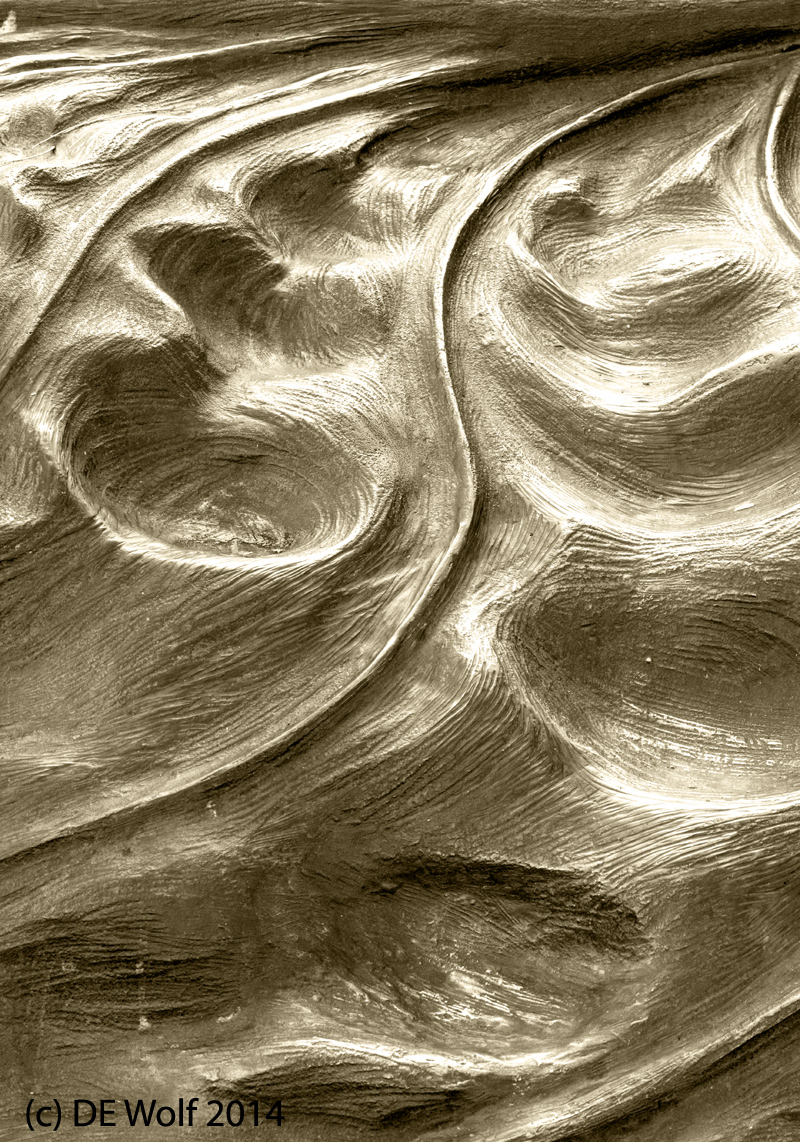
Figure 1 - Bronze Leaf, Olbrich Botanical Gardens, Madison, WI. (c) DE Wolf 2014.

Figure 1 – Bronze Leaf, Olbrich Botanical Gardens, Madison, WI. (c) DE Wolf 2014.

One of the things that I find that I love most to photograph is sculpture.  There is a certain serenity to it.  I used to think that it was a bit of a cheat.  You let the sculptor do the creative part, to find and put the emotional part into the piece.  But, of course, that is very far from the facts.  Yes, it represents a derivative art form.  However, that is merely a superficial element of the creative process. It is just a beginning. That is the very point.  It is the beginning of an enhanced experience of the piece, of a propagation, if you will, of creativity.

There are two favorite materials: bronze and stone, preferably marble. And each of these has its own special qualities.  It is the unique way that each of these interacts with light that is photographically appealing. Surprisingly, I find that a flat light is often the best, as bright light tends to create an excessive contrast. The raw materials can be a bit overwhelming, and the real appeal comes with age and patina, subtle forms of oxidation, less subtle forms of urban pollution, and, yes, even molds and lichens. These all create a defining signature to the material.

The hand of a sculptor defines a significant genesis, and the photographer augments this creation by interpreting how the piece interacts with light.  Sculpture takes a chaotic material, essentially void of form, and puts order in it.  This is the extraction of order out of random chaos and is symbolic of, indeed mirrors, both the physical and biological evolution of our own world and universe.

I am posting today two photographs that I took at the Olbrich Botanical Gardens in Madison, WI.  This is a wonderful place, created and maintained by an army of talented, creative people.  Figure 1 is a bronze leaf that children like to crawl under.  Shortly after I took this image we watched a mother crawl under it to extract a gleeful toddler.  I chose to photograph close.  The leaf gestalt is lost, but what reams is waves of bronze.  As always with such subjects I carefully worked on the highlights with a fine brush dodging tool.  The magic of bronze lies in these highlights.

Figure 2 is a stone relief that sits, as if randomly, among the flowers of the Thai garden.  The edges of the stone are cut as if to say that this is sound ruin or relic.  There is a dark patina, which I suspect is intentionally added, again to indicate or mimic antiquity.  I love this dancing figure.

In both cases the light was diffuse and dull.  It illuminates evenly and doesn’t create hard shadows.  It requires a bit of local brightening, but in the end the three-dimensional affect is there but not over whelming.

Leaf – Canon T2i with  EF70-200mm f/4L USM lens at 70 mm, ISO 1600, Auto AE-Priority Mode, 1/250th sec at f/8.0 with no exposure compensation.

Dancer – Canon T2i with  EF70-200mm f/4L USM lens at 87 mm, ISO 1600, Auto AE-Priority Mode, 1/400th sec at f/11.0 with no exposure compensation.
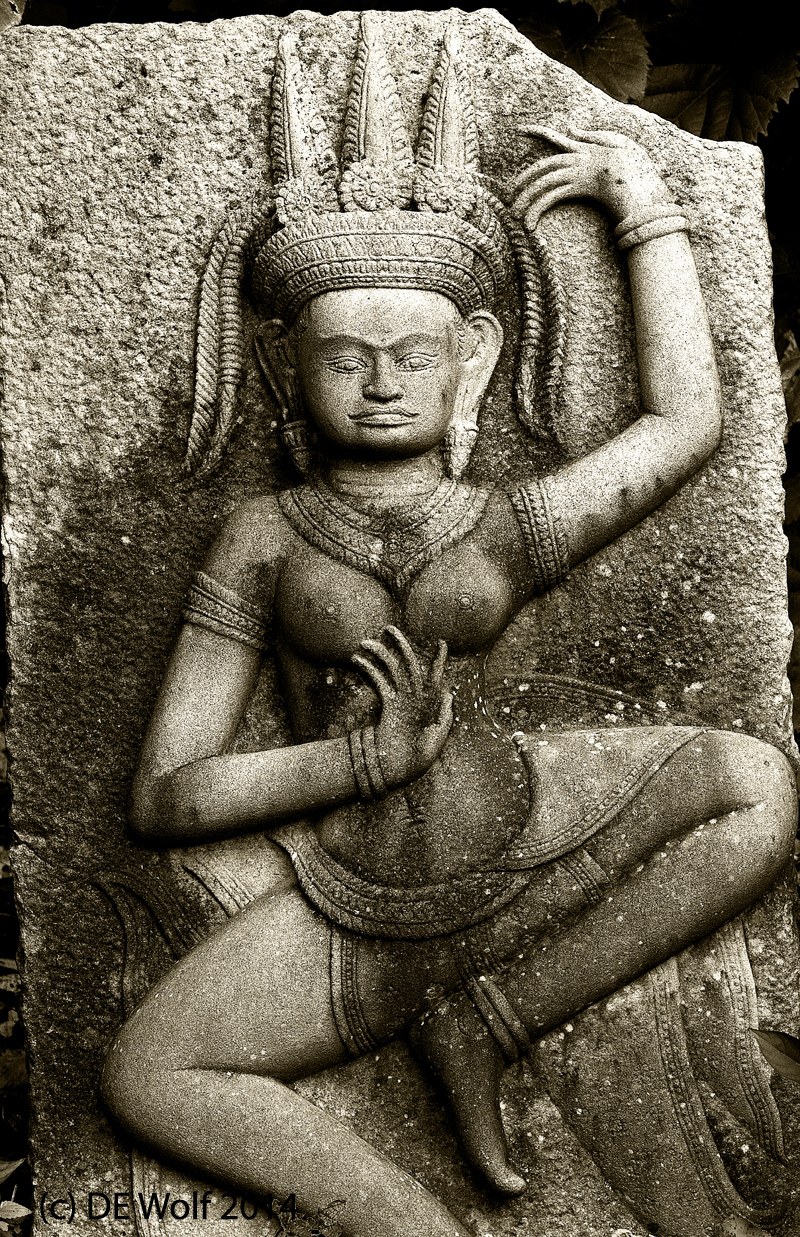
Figure 2 - Dancer, Thai Pavilion, Olbrich Botanical Gardens, Madison, WI. (c) DE Wolf 2014.
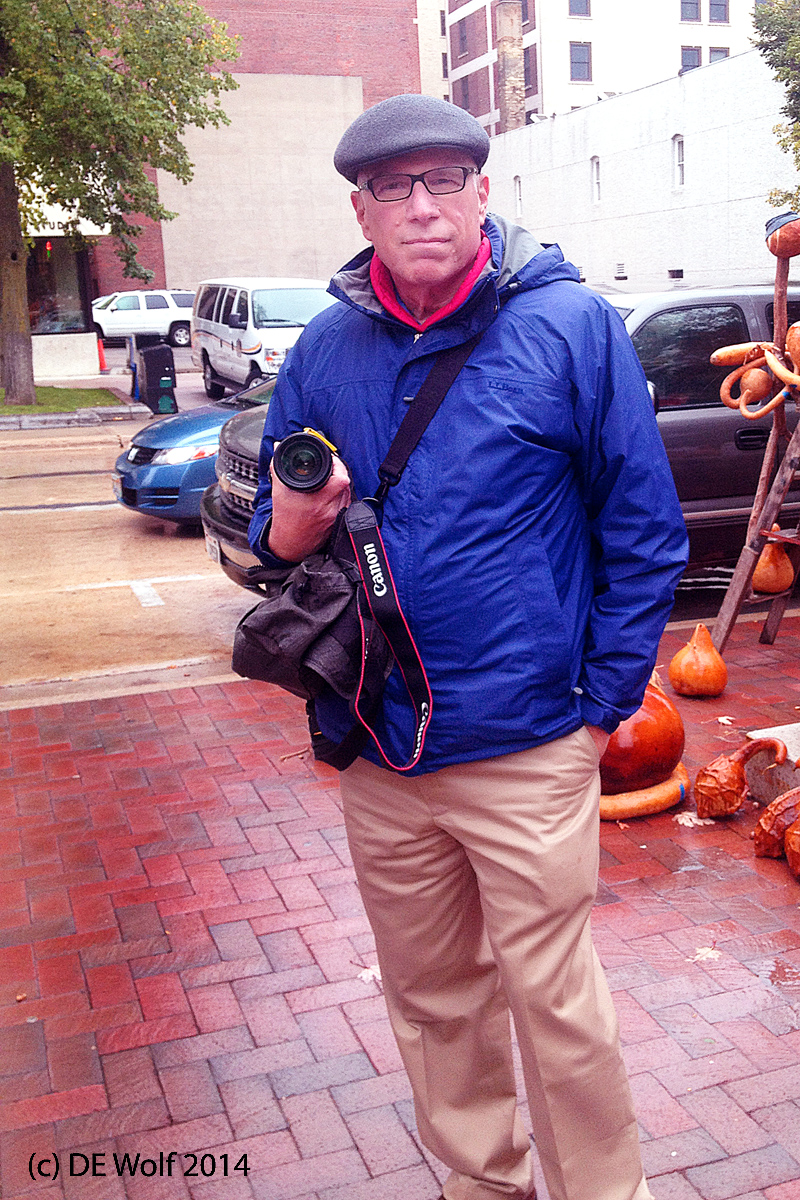
Figure 2 – Dancer, Thai Pavilion, Olbrich Botanical Gardens, Madison, WI. (c) DE Wolf 2014.
 

Badgermania

The blogger at the Madison Farmers Market on a cold, rain Saturday. (c) DE Wolf 2014.

The blogger at the Madison Farmers Market on a cold, rain Saturday. (c) DE Wolf 2014.

I spent this past weekend in Madison, WI. Madison is a cool place. The operative words there are “On Wisconsin.” The operative symbol is the badger. And the operative color is red. Everyone is wear red badgerphrenalia. I once made the mistake of going to a Badgers Football game in my black leather jacket. There were 80,321 people in Camp Randall Stadium that morning. 80,319 were dressed in red. But in true “Fighting Bob LaFollette” progressive fashion my wife and I were not shunned.

I took a lot of photographs in Wisconsin and I’ll be posting some of them over the next week or so. But for beginners I’d like to start with this image of me this past Saturday at the Madison Farmer’s Market. It was very cold and rainy so my red layer is beneath my rain jacket, although it is still clearly visible. So Figure 1 is your intrepid blogger and photographer camera in hand and looking very serious.

Badger, badger, badger! You might wonder where all this badgerosity comes from. Turns out that the nickname refers to the lead miners, of the 1830s. These miners worked at the Galena lead mines, which is actually in Illinois. Go Figure! The Wisconsin miners lived, not in houses, but in temporary caves that they cut into the hillsides. Not altogether the most healthful of places. These caves were described as badger dens and, the miners who lived in them, as badgers.

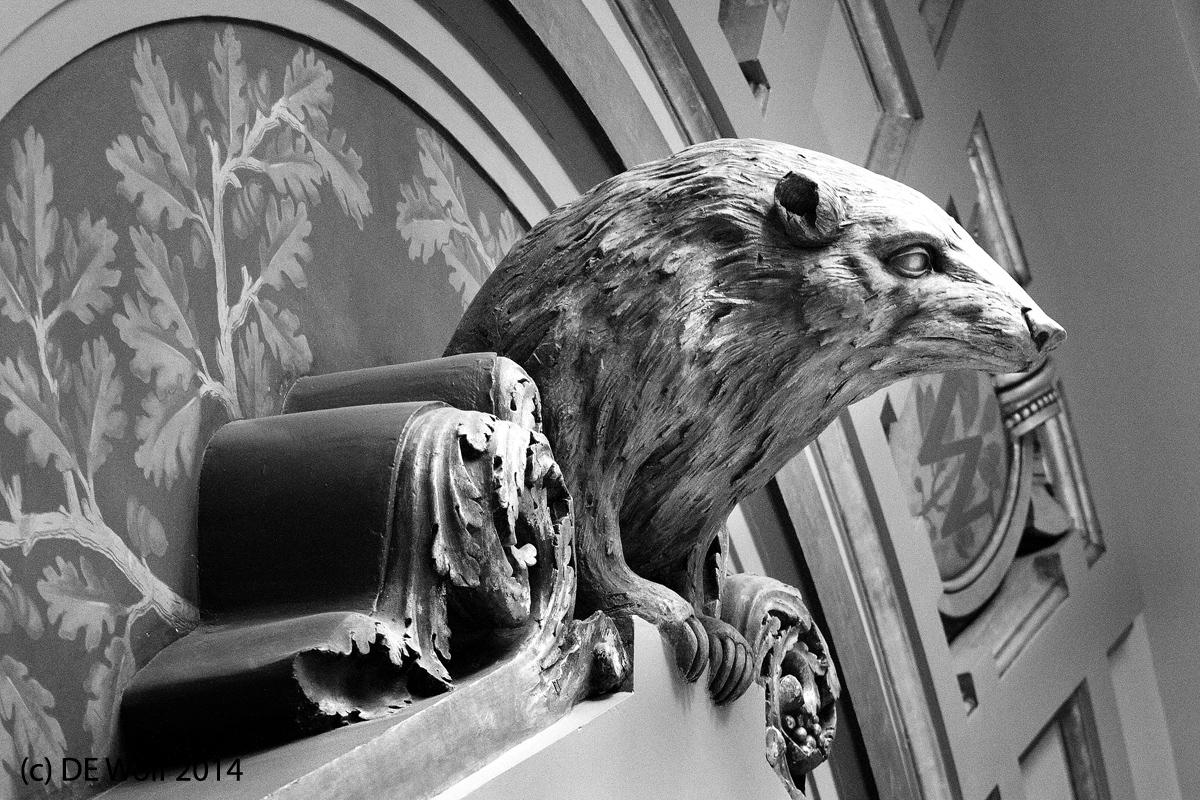
Oh, and in 1957 the Badger became Wisconsin’s state animal. I have never figured out why every state has to have its own animal, bird, flower, and mineral. But at least it is something for school children to remember and learn. Bucky Badger is everywhere in Madison, and he definitely has determination and attitude. In the meanwhile, I was totally delighted as I explored the galleries of Wisconsin’s State House to discover the wonderful carved badger of Figure 2 glaring down at the workings of the state. Also as it turns out the gilded statue atop the Capitol of Wisconsin by Daniel Chester French, like so many of the Badger afficianados of today sports a badger cap. Actually, in her case it is a helmet. Her arm reaches forward, in homage to the state motto, which after all is just another way of saying, “On Wisconsin!”

Figure 2 - Badger lording over the Wisconsin State House. (c) DE Wolf 2014.

Figure 2 – Badger lording over the Wisconsin State House. (c) DE Wolf 2014.

Canon T2i EF70-200mm f/4L USM at 70mm. ISO 3200, 1/60th sec at F/4.0 AE Aperture-priority mode no exposure compensation.  Handheld! Woot, woot!

October the First

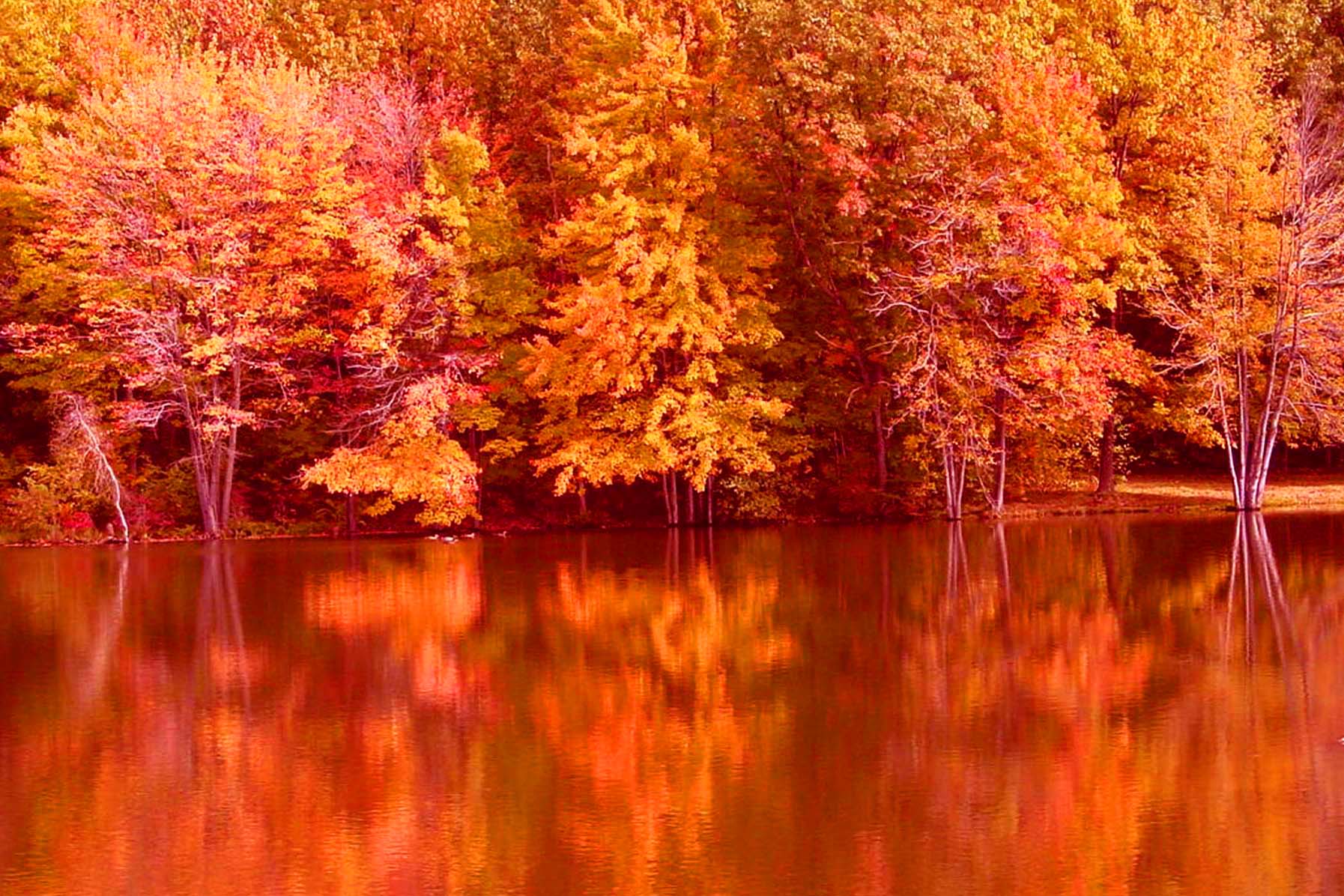
Figure 1 - Autumn comes to Dean Park, Shrewsbury, MA a few years back, (c) DE Wolf.

Figure 1 – Autumn comes to Dean Park, Shrewsbury, MA a few years back, (c) DE Wolf.

So today is the First of October. Time for a full transition into fall!. I’m going to celebrate first with Figure 1, which shows the lake a Dean Park in Shrewsbury, MA.  This is one of the very first digital photographs that I ever took about ten years ago.  I shot it with a significant sized Sony camera, which was max 2 Mp, and processed it with a now antique version of Adobe Photoshop.  I remember that I was experimenting with digital photography and that the fall foliage afforded me lots of dramatic photo ops.  It was exhilarating at the time to be able to process in color – something I had always read about but afraid of the cost, complexity, and necessary temperature control.  Also, I was using the Xerox Solid Wax printing process at the time, which was superior to the dye sublimation printer that I had access to, but was brittle.  I still have an image that I took with a Leica M3 as a negative, digitized the negative with a slide scanner, and then printed with the solid wax, hanging in a dark place on my wall.  The colors are rather sensitive to excessive light.

My second celebratory act is that I am reposting the Halloween Gallery that I composed in 2013 of hanging Halloween Decorations.  As a child Halloween was my favorite holiday.  The reasons are quite simple.  I grew up in a religiously diverse neighborhood.  Halloween was the one holiday every kid could celebrate and of course there was the candy.  Where I lived there were 80 buildings with 105 apartments each.  The world was my Oyster! And maybe we could take a lesson from our childhoods and all celebrate Halloween.

The last day of September

Starburst, Concord, MA. (c) DE Wolf 2014.

Starburst, Concord, MA. (c) DE Wolf 2014.

Hmm! Today is the last day of September.  I am realizing that the last week or so had a certain ambiguity.  It was a cross between the wild flowers of late summer and the emerging autumn colors in New England.  While the flowers are still clinging to life, prodded on by temperatures on Sunday in the eighties Fahrenheit,  there is a certain evolving dryness to plant life.  What is left behind by summers flowers are delicate skeletons with lacy patterns that bear the spirit if not the color.  I came upon the starburst of Figure 1 in Concord, MA this past Saturday.

The more robust of these patterns will linger into winter and will delight us as they pop up defiantly through the snow pack to endure frigid winds.  But those will lack the delicate remnant of spider webs.   We have to agree that summer is over, even if nature tries to fool us with what is here referred to as “Indian Summer.”  We hold our collective breath and await the glory season.

The lost doll

Figure 1 - Lost doll, Concord, MA. (c) DE Wolf 2014.

Figure 1 – Lost doll, Concord, MA. (c) DE Wolf 2014.

On Saturday I went. during the golden photography hours of the afternoon. up to the Old North Bridge, National Historic Site in Concord, MA. The park was invaded by tour buses filled with “leaf-peepers.” I tried to photograph a dozen Eastern Bluebirds chirping frantically in a crab apple tree behind the Old Manse, but every time I approach the,  they flocked away to a farther tree.

But I did spot this little doll leaning up against a tree, and I think that the photograph tells its own story.

Canon T2i with EF70-200mm f/4L USM lens at 84 mm, ISO 1600, Aperture-priority AE mode, 1/320th sec at f/5.6 exposure compensation -1.

Pompous Mr. Pumpkin

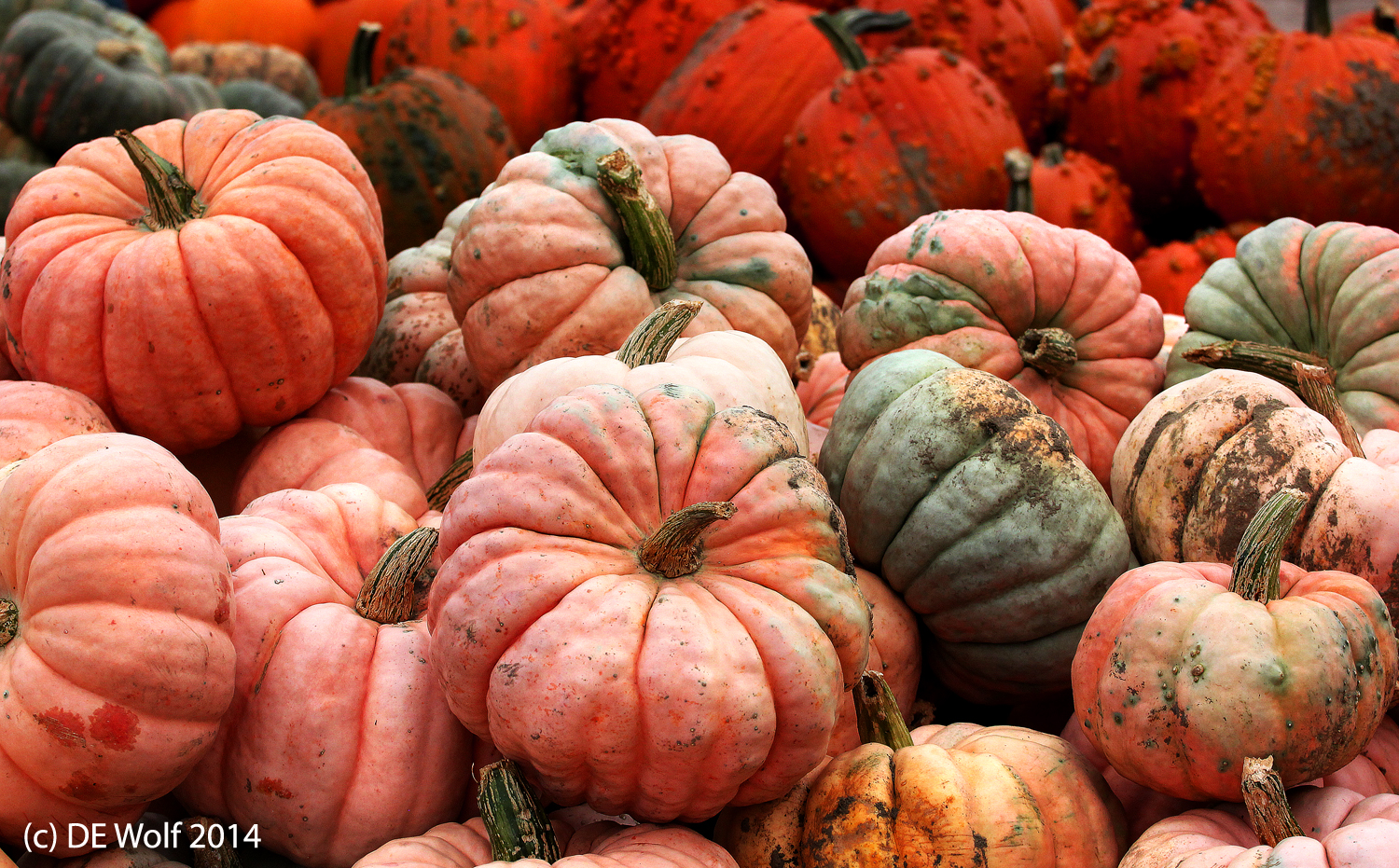
Figure 1 - Pumpkins, pumkins, and pumkins, Concord, MA. (c) DE Wolf 2014

Figure 1 – Pumpkins, pumpkins, and pumpkins, Concord, MA. (c) DE Wolf 2014

This is amazing!  I cannot believe that I have found this.  Back in the dinosaur ages when I was in Miss Muller’s (she was a sweetie) second grade class, we had to memorize a poem for Halloween.  Honestly, my mother and my sister had it down way before I did.  It was the first thing that I ever had to memorize, and I delivered it with histrionic exuberance.

“Pompous Mr. Pumpkin

Pompous Mr. Pumpkin,

You needn’t look so wise.

Perched upon a picket fence

Staring with your eyes—

Needn’t think that I’m afraid

Of your fearful frown

Or your great big glaring teeth

Or your mouth, turned down;

Mr. Pumpkin, run from you?

No, sir—no, indeed—

Because I knew you long ago

When you were just a seed!”

-Elsie Mekchert Fowler

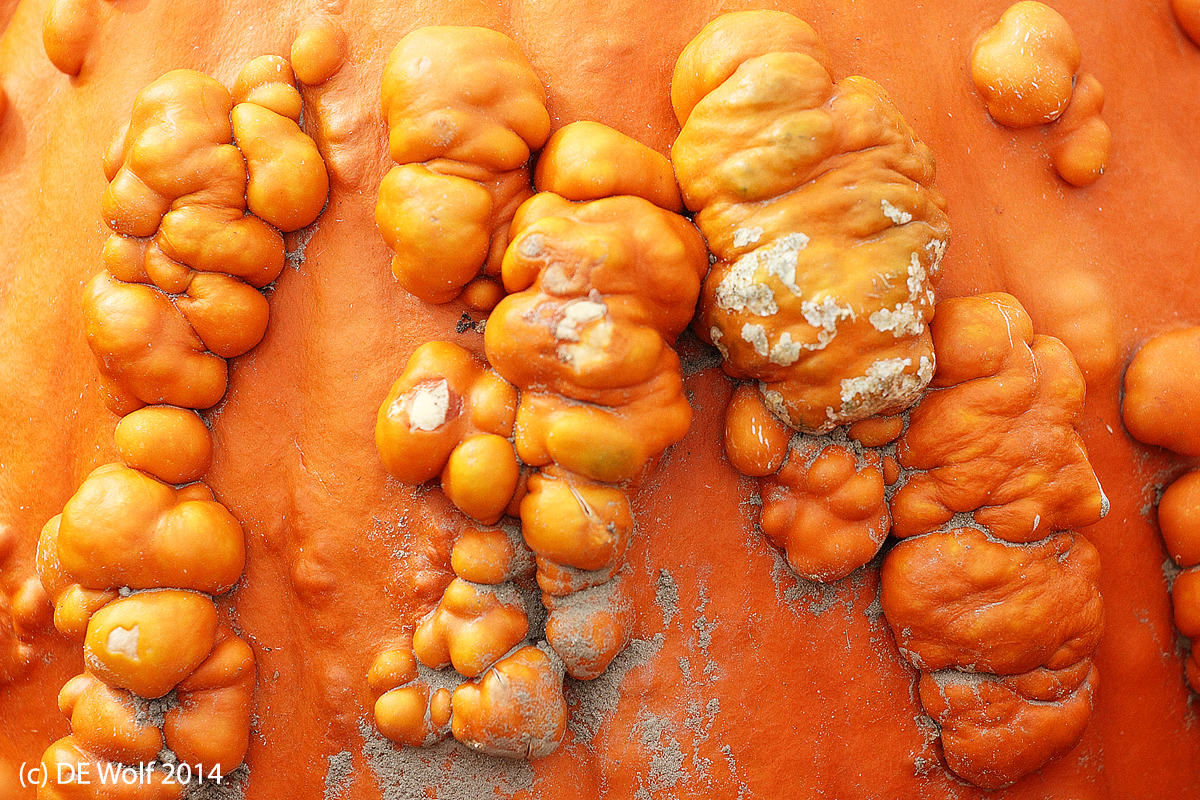
This fall is such a wonderful season for pumpkins: orange pumpkins, pink pumpkins, smooth pumpkins and warted pumpkins.

Figure 2 - Warted pumpkin, Concord, MA. (c) DE Wolf 2014.

Figure 2 – Warted pumpkin, Concord, MA. (c) DE Wolf 2014.

The magical glory of September light

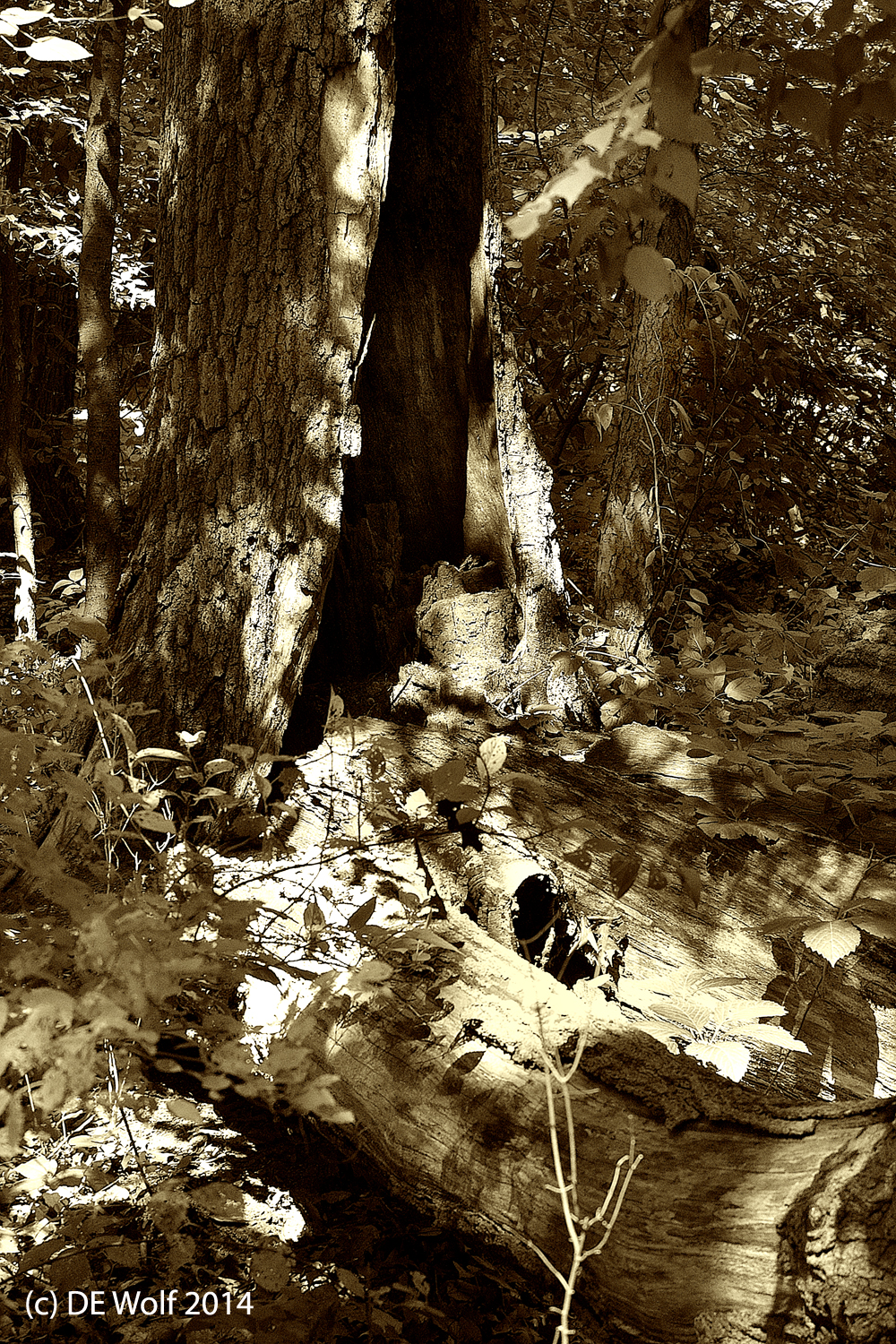
Lost Giant in a September Light, Fresh Pond Reserve. Cambridge, MA. (c) DE Wolf 2014.

Lost Giant in a September Light, Fresh Pond Reserve. Cambridge, MA. (c) DE Wolf 2014.

I’ve been talking a lot about the magical and golden glory of September light; so before September slips into October, allow me to explain.  The sun crosses the Equinox and there are crisp days with long shadows.  You wander in the woods searching and then you come across a place where the sun just filters through the canopy and like a spot light illuminates a decaying tree stump, its ancient trunk lying beside it, and you cannot help but realize that this tree stood there perhaps as long ago as the nineteenth century, when Longfellow sailed on Fresh Pond, when Winslow Homer fished there, or when Harvard undergraduate Teddy Roosevelt skated there on a bitter cold night.  Your thoughts wander and you wonder precisely what William James and William Dean Howells spoke about on their Sunday walks around the pond.  They walked as I do, did they take any notice of this now faded giant?  Such is the warm and golden glory of September light.

On the Cordingly dam – A tribute to Adamson and Hill

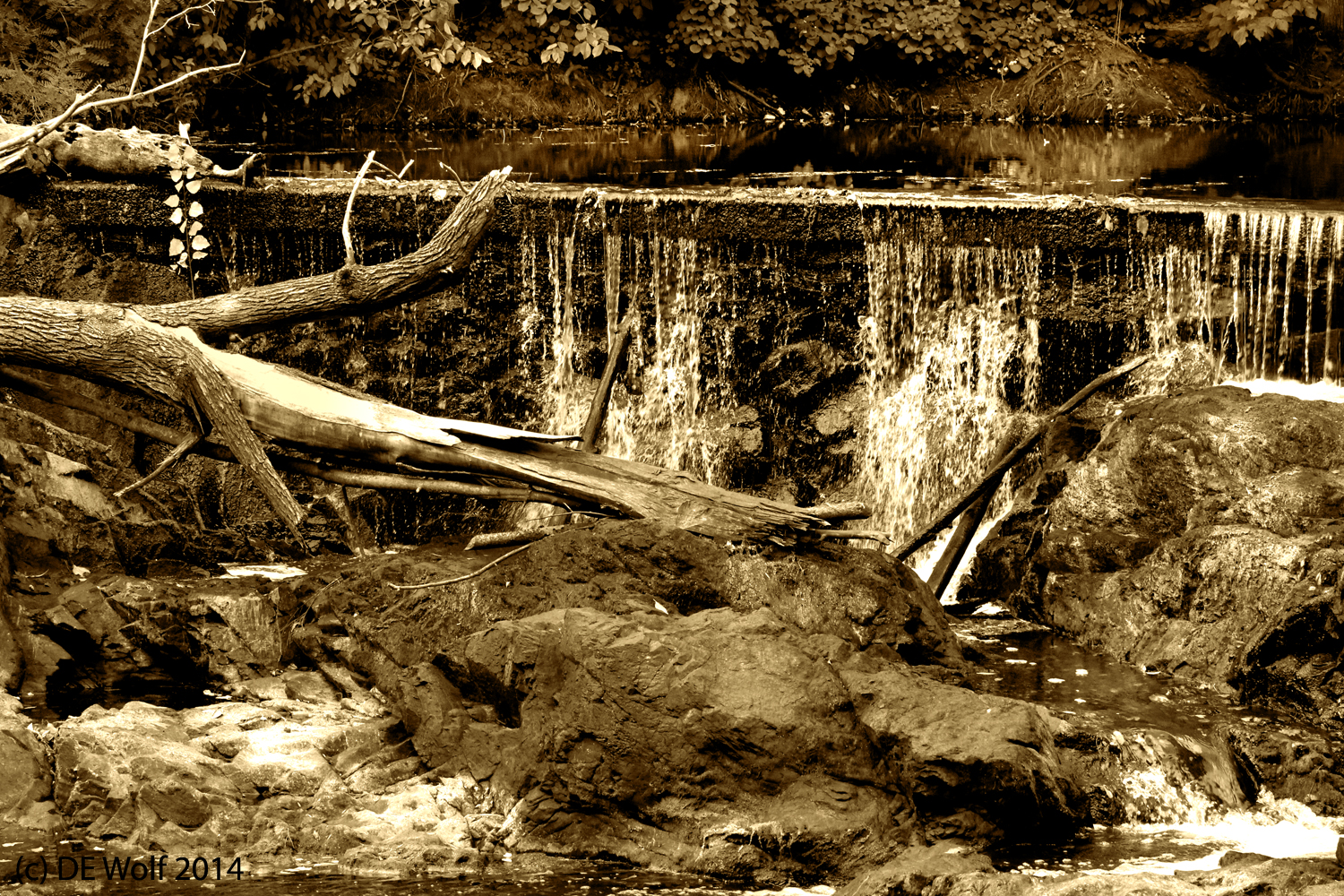
Figure 1 - On the Cordingly Dam - A Tribute to Adamson and Hill. (c) DE Wolf 2014.

Figure 1 – On the Cordingly Dam – A Tribute to Adamson and Hill. (c) DE Wolf 2014.

Despite my hunt for early fall colors my first attraction to the Cordingly Dam at Newton Lower Falls, Massachusetts was for black and white.  When I took the image of Figure 1 my thoughts were still with Adamson and Hill.  So this is kind of a tribute to these calotype pioneers.  I stretched the exposure, but was not brave enough to go to the point where the water becomes a luscious blur.  Still I was thinking the kind of rich sepia toning that goes with a calotype or with a platinum palladium print.  The effect, for me at least, was still pretty dreamy. It was just what I was after.

First signs of fall come to New England

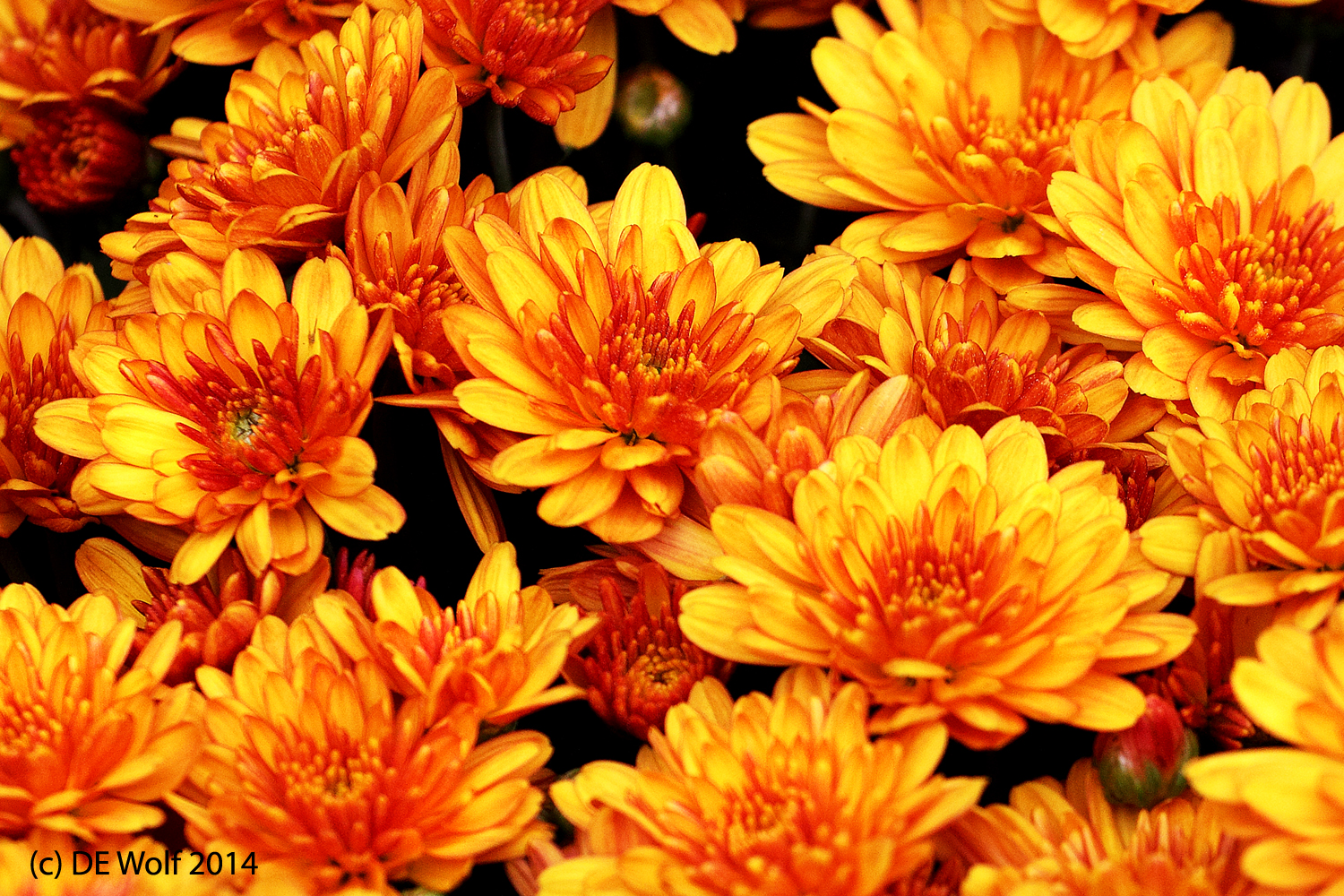
MumsFBPsst, mums the word, people.  Monday was the Equinox and the first signs of fall have come to New England.  Get excited!  This is what we live for!

In search of early autumnal color I went on Sunday to Newton Lower Falls across the footbridge and then down to the Cordingly Dam. It is a peaceful spot where you can position your head to see no sign of the busy highways that surround it. It is a fun trick to play, to imagine how it all once was a century or two or three ago.

Newton, Massachusetts itself was founded in 1630.  Newton Lower Falls along the Charles River became an early industrial village, a harbinger of the industrial age that would soon envelop Massachusetts. The first damn was built by John Hubbard and Caleb Church in 1704 to power their ironworks.  At the close of the eighteenth century many more dams and mills had been built.  With the coming of the nineteenth century Newton Lower Falls was a major industrial center known principally for its production of paper.

Like so many of the mill towns, Newton Lower Falls went into decline with the coming of the twentieth century.  Today, all that remains to remind us of this greatness is the small picturesque and restored area along Washington Street: offices at the old mill, some residencies, a gourmet wine shop, and (do I have to say it) a Starbucks, a feature Newton Lower Falls shares proudly with the Pantheon and the Spanish steps in Rome.

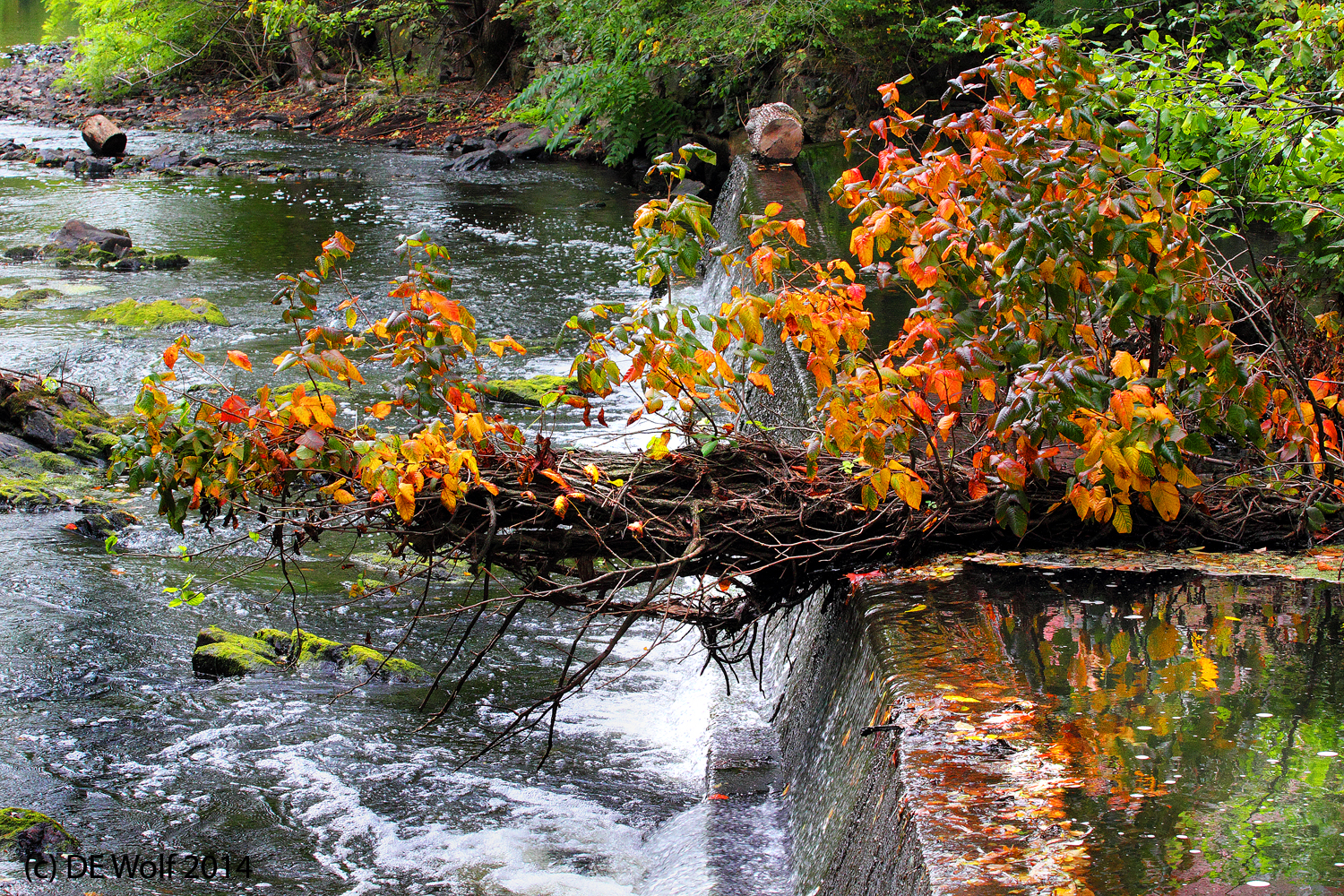
I was delighted with what I found there on Sunday.  The bridge is complex and intricate with its iron work and wooden base. The dam has an intriguing fish climb for the herring that come to breed there in the spring.  The falls themselves were producing just enough cascade to satisfy a photographer, and there I found a fallen tree displaying a delicate bouquet of color that brought with it the promise of intensity to come.

Figure 2 - Cordingly Dam at Newton Lower Falls, MA. (c) DE Wolf 2014.

Figure 2 – Cordingly Dam at Newton Lower Falls, MA. (c) DE Wolf 2014.