
Figure 1 – Messier 16, the Eagle Nebula (c) DE Wolf 2025
Figure 1 is a one hour exposure, Celestron Origin image of Messier 16, the Eagle Nebula. A lot of times I find myself studying such images and wondering, where the name comes from. Here if you look closely you can see the silhouette of the eagle, or perhaps, it is of a Romulan Warbird flying into the nebula’s center.
The name is generally credited to Sir John Herschel in the 1830s–1840s. Herschel’s detailed notes described the cluster NGC 6611 and its surrounding nebulosity, and he compared its outline to that of a bird in flight. Later popular star atlases and guides picked up the comparison, cementing “Eagle Nebula” in the public imagination.
M16 Floats about 7,000 light-years away in the constellation Serpens. Vast clouds of gas and dust are collapsing under gravity to form new stars, while the radiation and winds from newborn giants sculpt the surrounding material into intricate shapes.
M16 spans roughly 70 by 55 light-years, with its heart dominated by towering columns of gas made famous by the Hubble Space Telescope’s 1995 image, the “Pillars of Creation.” These dark, finger-like structures are dense enough to resist erosion by intense ultraviolet light, acting as stellar incubators. Inside them, young protostars gather mass from their surroundings until they ignite nuclear fusion, marking their official birth as stars.
Being a youngster, Dinah was inspired by the NASA Hubble images to become involved in the amateur astronomy hobby. In Figure 2 she is shown beside her CAT (Cadioptric telescope) with the Pillars of Creation behind her.
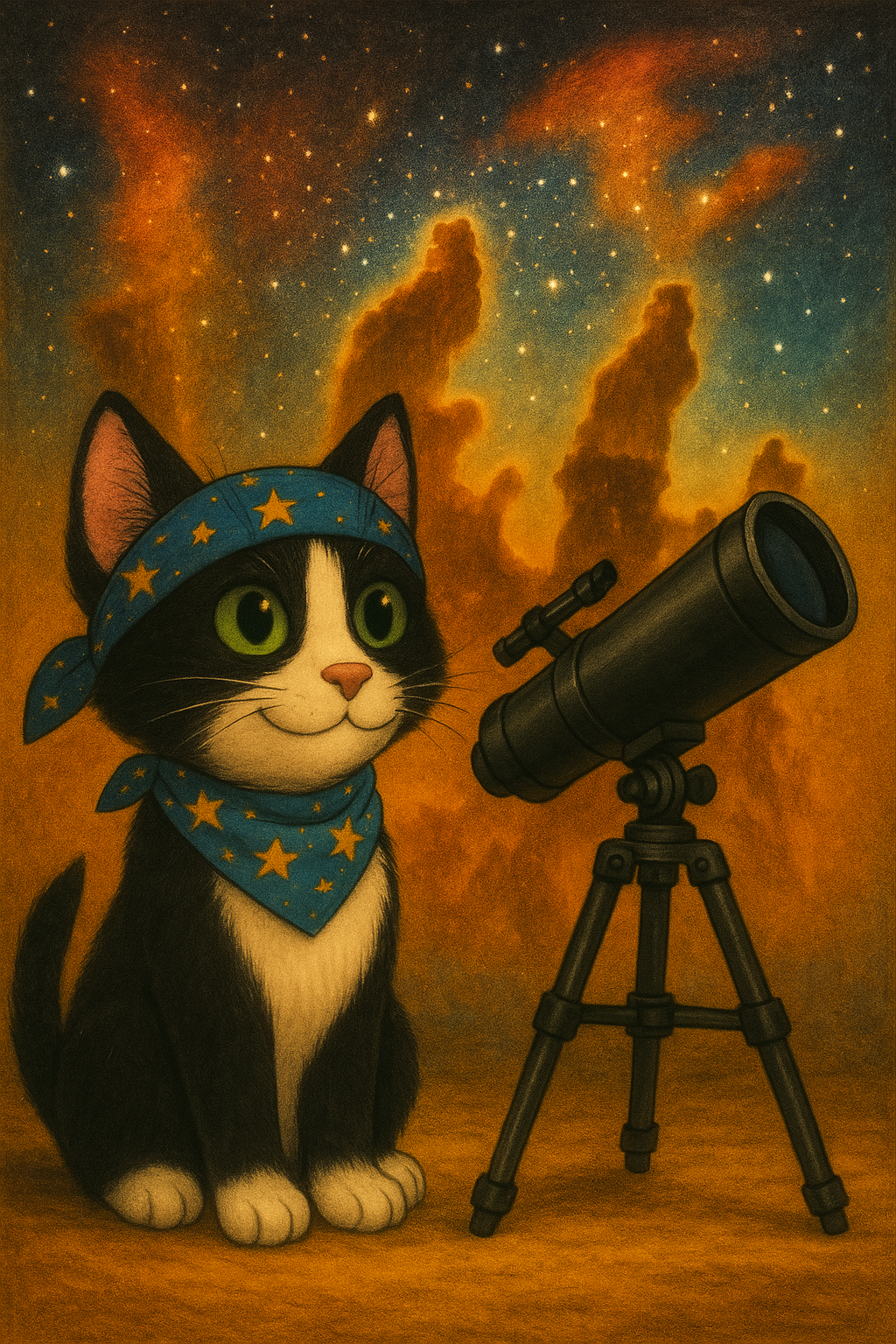
Figure 2 – Dinah with the Pillars of Creation (c) DE Wolf 2025