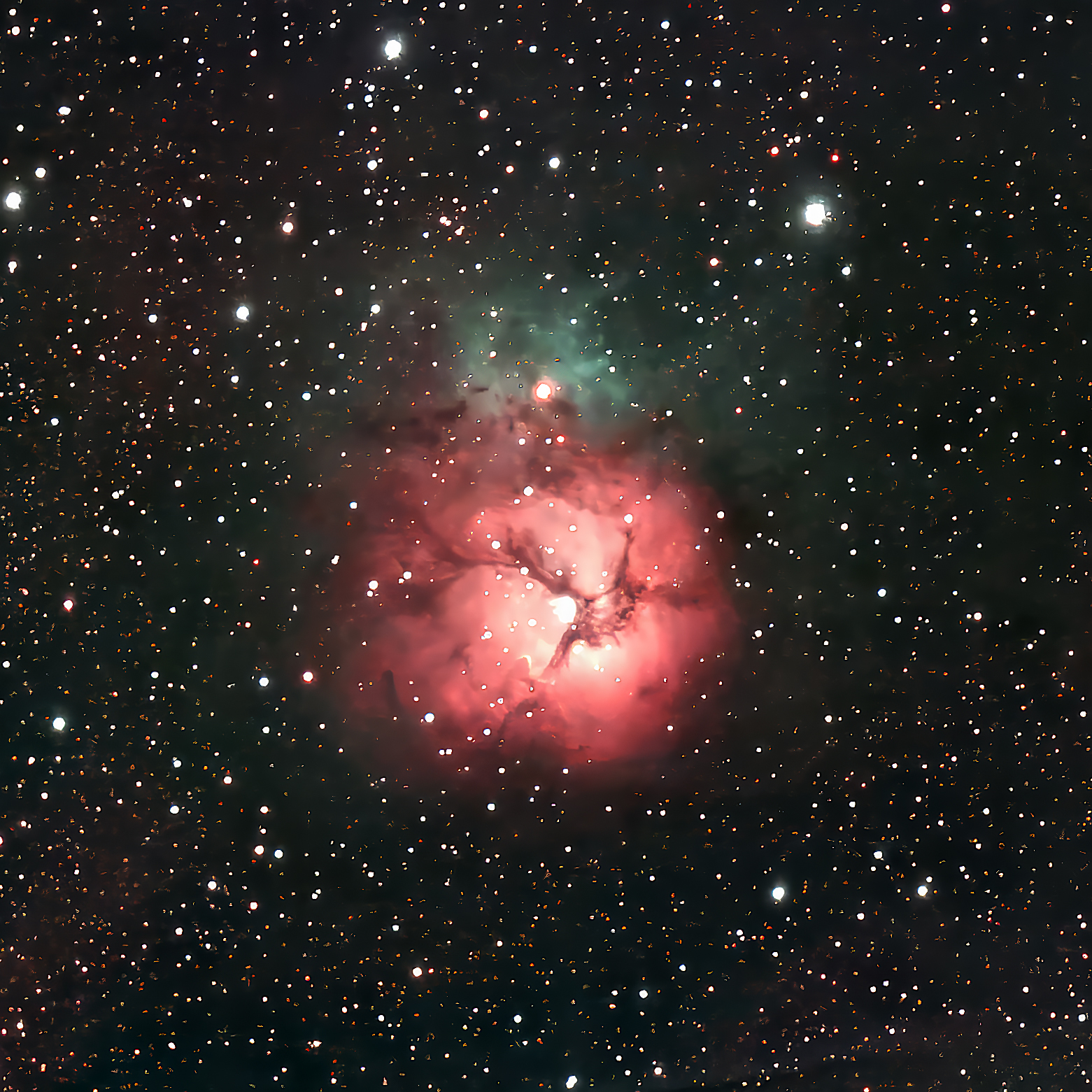
Figure 1 – The Trifid Nebula, Messier 20 (c) DE Wolf 2025
Those of us of a certain age vividly remember the 1962 sci-fi horror Day of the Triffids (with two Fs and way too many angry plants) or any of the subsequent remakes. These were plants ready to possess our minds and souls and to murder us, an allegory of the communist menace. Indeed, the Triffids were originally cultivated in the Soviet Union. So the name always rings a bell of memory, and there is a one-F wonder: the Trifid Nebula, also known as Messier 20, which has drama of its own.
Dinah ever the rationalist still posses a certain trepidation. She knows that it lies somewhere deep in the constellation Sagittarius, Dinah has set her sights on a strange celestial flower—a three-lobed nebula split by dark dust lanes, glowing in brilliant blues, pinks, and purples. She checked her star charts twice, narrowed her green eyes, and confirmed: One F. Definitely safe.
The Trifid Nebula is a rare treat. The Messier 20 is one of the most photogenic and scientifically fascinating nebulae in our galaxy. It lies roughly 5,000 light-years from Earth, near the rich star fields of the Milky Way’s galactic center. Discovered by Charles Messier in 1764, it is easily visible with small telescopes and provided you can see Sagittarius clearly (Difficult in light polluted suburban areas) it is a rewarding target for astrophotographers. I was really anxious this summer to try it out with the Celestron Origin and was rewarded with the image of Figure 1.
The name Trifid comes from the nebula’s most distinctive visual feature — three dark dust lanes that divide its bright pink core into three distinct lobes. These dark lanes are composed of dense interstellar dust that blocks light from behind, creating a sharp contrast with the surrounding emission nebula. M20 actually contains three different types of nebula in one object:
- a Dark Nebula – The network of obscuring dust lanes that slice the nebula into thirds and give it its name. This tripartite combination makes the Trifid Nebula a rare example of three major nebula types coexisting in a single region of space.
- an Emission Nebula – Dominated by ionized hydrogen gas (H II region), it glows a characteristic pink/red due to hydrogen-alpha emission caused by ultraviolet light from hot, young stars.
- a Reflection Nebula – Surrounding the emission zone, a region of fine dust reflects starlight, appearing blue in images.
At the heart of the Trifid lies a small open star cluster, Collinder 360, containing massive O-type and B-type stars that are only a few million years old. These stars are responsible for the nebula’s bright ionization and are still surrounded by dense clouds of gas and dust — the raw material for future stars.
Dinah remains a bit nervous, but full of wonder. She is imagining world’s filled with strange and dangerous plants.
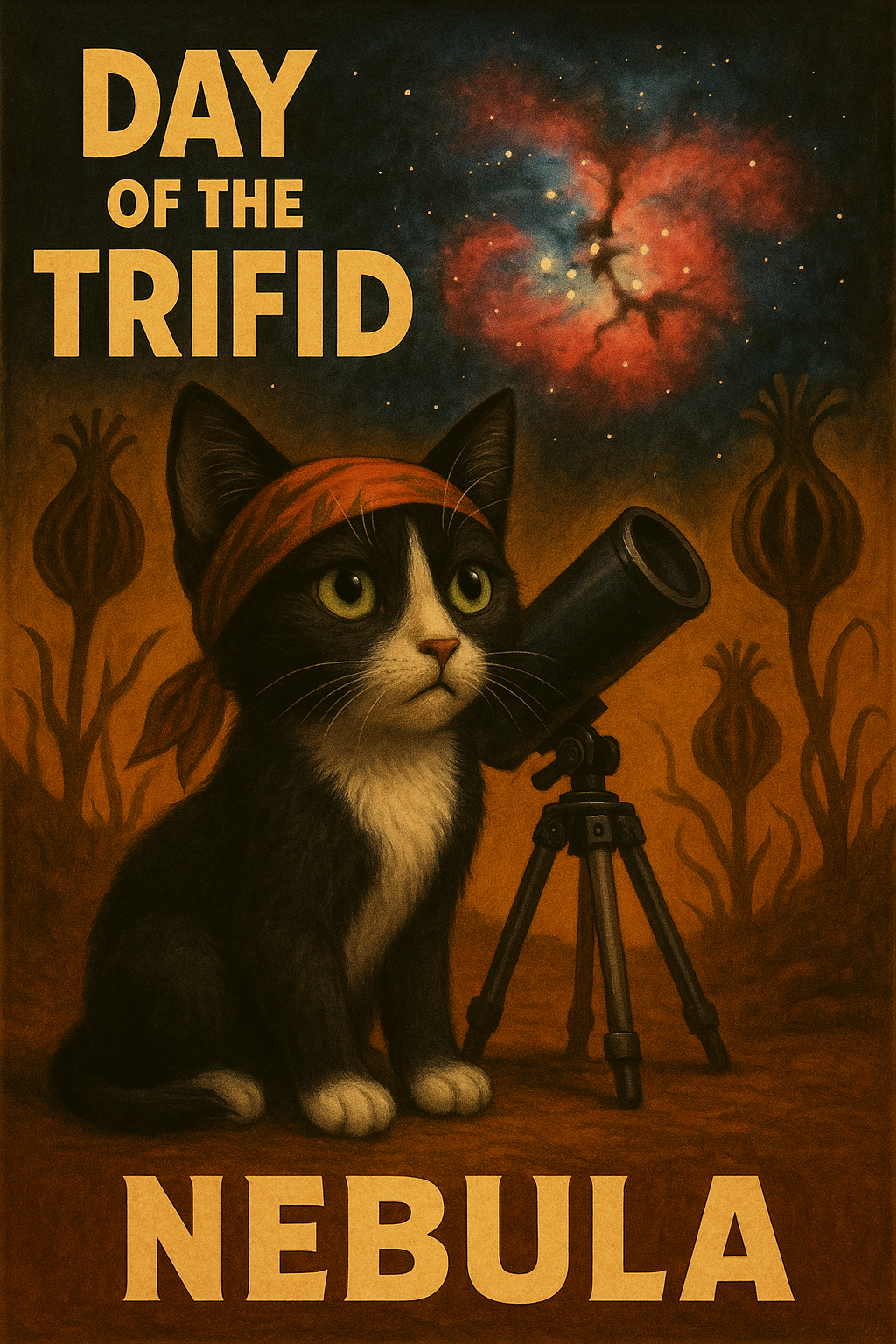
Figure 2 – Dinah on the Day of the Trifid Nebula (c) DE Wolf 2025