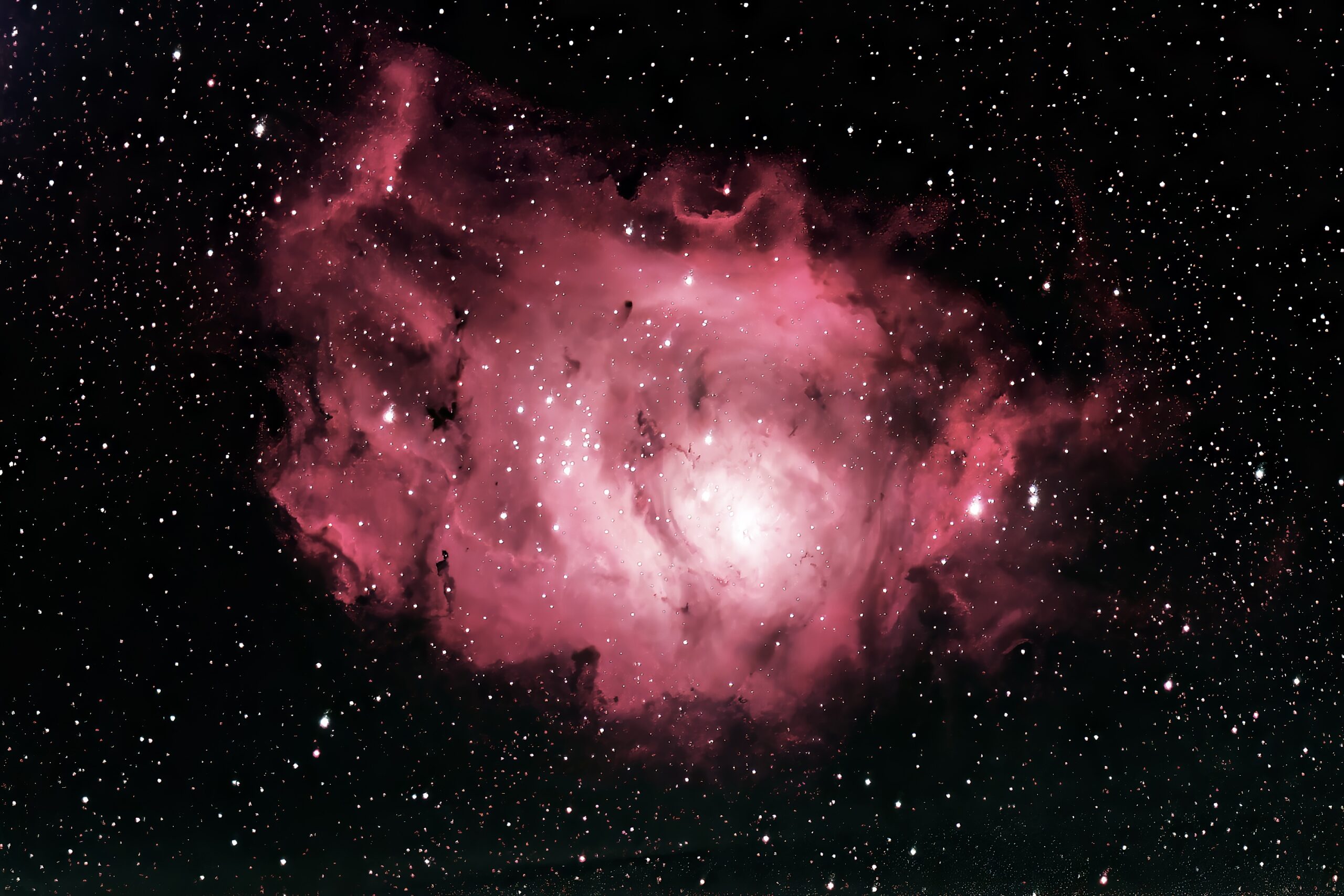
Figure 1 – Messier 8, the Lagoon Nebula (c) DEWolf 2025
My strongest associations with summer astronomy are the southern sky constellations and their great fields of Milky Way stars: Scorpius and Sagittarius. As soon as I got here this summer, I immediately turned my telescope on Messier 8, the Lagoon Nebula and Messier 20, the Triffid Nebula. With my nebula filter installed in the Origin, I was ready and I was not disappointed. Both of these are so beautiful and so stunning. Also since they were last year’s triumphs with the Seestar 50 s, they were ripe for direct comparison this year.
High in the crowded core of the Milky Way, nestled in the constellation Sagittarius, lies a glowing, turbulent expanse of gas and dust known as M8, or the Lagoon Nebula. First cataloged by Guillaume Le Gentil in 1747 and later included as the 8th entry in Charles Messier’s famous catalog, the Lagoon Nebula is a favorite of amateur astronomers—and a true galactic showstopper.
People often as ” can you see it with the naked eye?” At about 4,100 light-years away, the Lagoon Nebula is one of the few star-forming nebulae visible to the naked eye under dark skies. From a dark site in summer, especially near the zenith in southern latitudes, it appears as a faint smudge with binoculars or a small telescope. But through a camera or larger scope, it explodes into a deep pink and violet glow, laced with dark lanes of dust. For summer imagers the question is how much magenta is too much? Capture the reality but don’t over do it.
The Lagoon is what astronomers call an H II region—a cloud of ionized hydrogen gas lit by the high-energy ultraviolet radiation from young, massive stars. At the heart of the nebula lies the open star cluster NGC 6530, which helps light up the surrounding gas. Ongoing star formation makes the Lagoon a stellar nursery, and dense clumps of gas, like the famous “Hourglass Nebula” region within M8, give astronomers a peek into how stars like our Sun are born.
Spanning over 110 light-years across, the Lagoon stretches across three full moons in the sky. It’s roughly 3 to 4 times larger than the more famous Orion Nebula, though its greater distance makes it a bit less dramatic to the eye—unless you’re imaging.
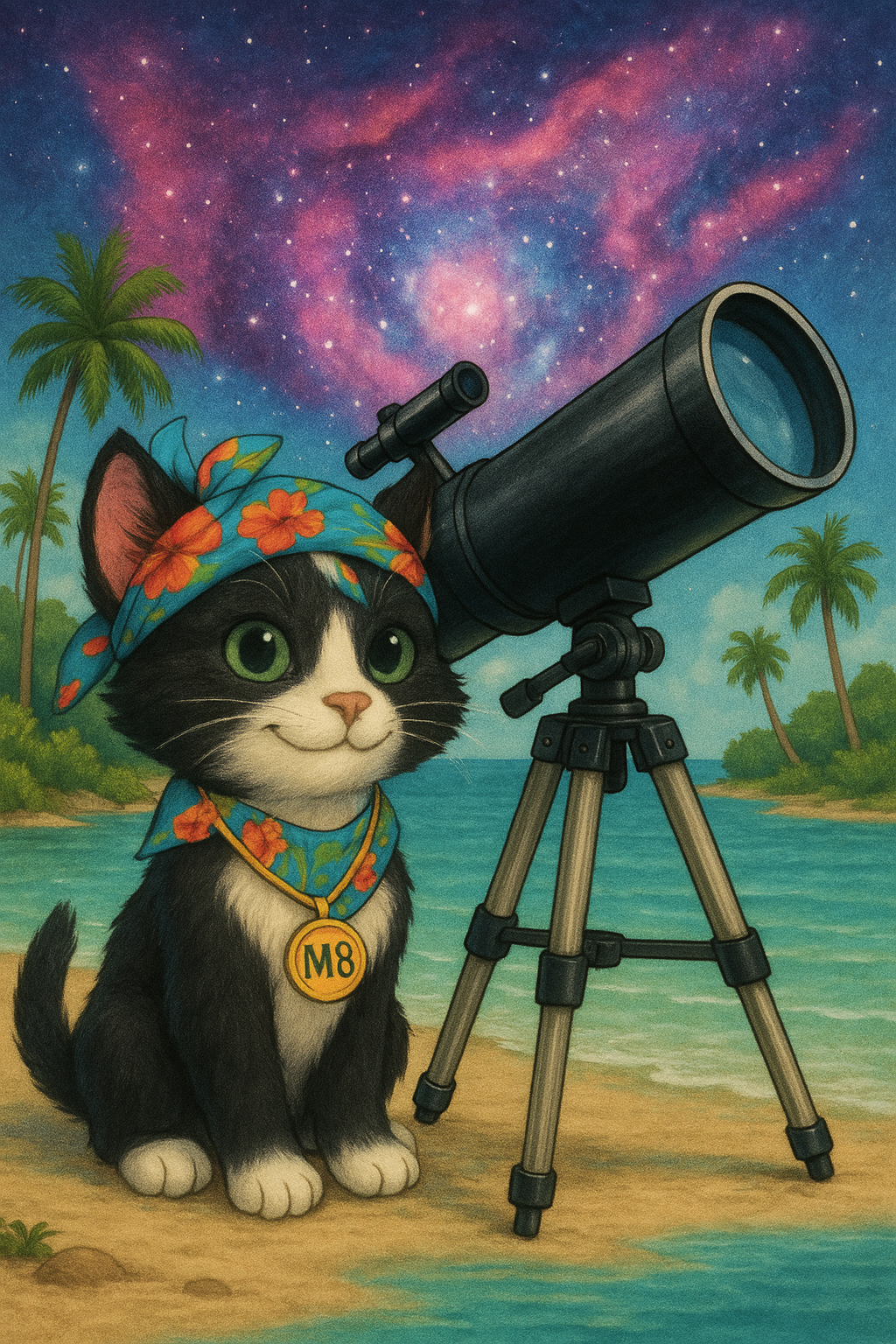
Figure 2 – Dinah goes tropical for the Lagoon Nebula, Messier 8. (c) DEWolf 2025