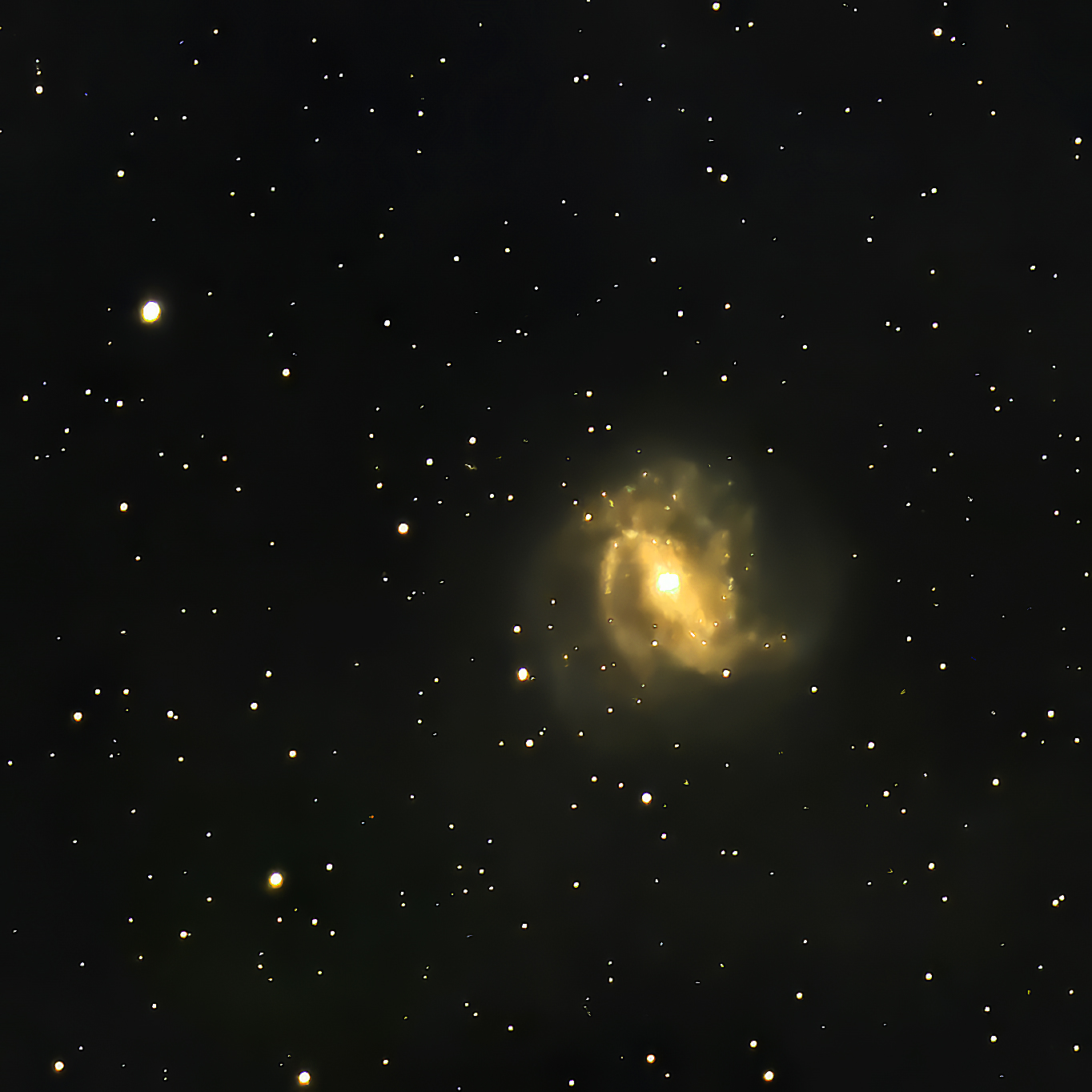
Figure 1 – Messier 83, the Southern Pinwheel Galaxy
My summer observing session is at last arrived. TC and I are happily ensconced in Rockport. On July Fourth I accomplished two long-term observing goals. First, I got about two minutes of observing the planet Mercury, even managed to photograph it with My Celestron Origin, although not much worth showing here as the Origin was not able to track against a star field background. But then I finally completed my Messier list with Messier 68 and Messier 83 – and to think that there are people who do the Messier Marathon and observe all of these deep sky objects in a single night.
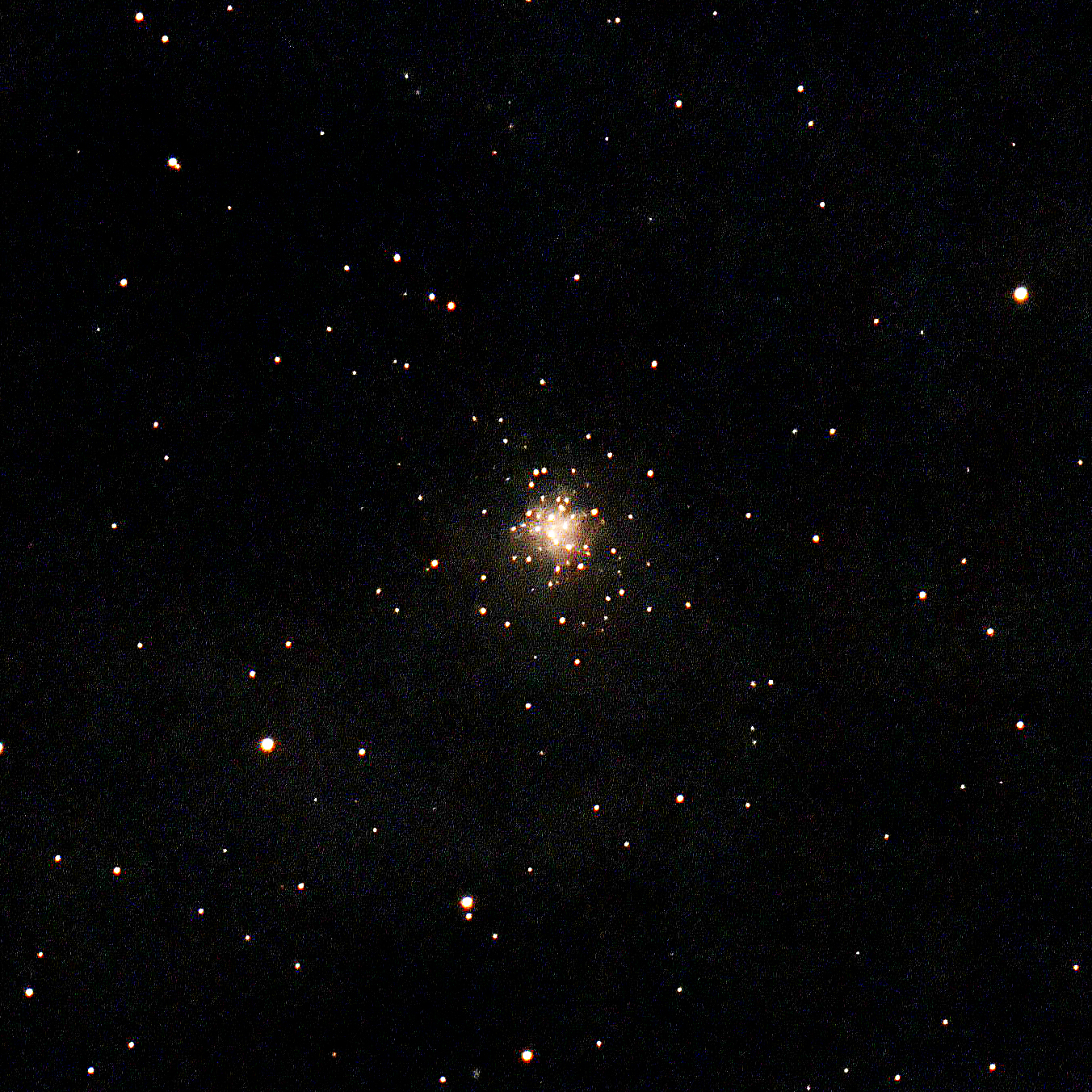
Figure 2 – Messier 68
I’ve been waiting all year to complete this, what with poor skies and the fact that these last objects tend to be low in the sky, often photographing close to the tree line in Sudbury. As a reminder, in the 18th century, French astronomer Charles Messier had one goal: to discover comets. But while scanning the skies, he kept bumping into fuzzy, cloud-like objects that looked nothing like comets. To save himself (and others) the frustration, he started cataloging these distractions. Ironically, this “anti-comet” list would become one of the most famous catalogs in astronomy. Published in 1774 and expanded several times, the Messier Catalogue lists 110 deep-sky objects, including star clusters, nebulae, and galaxies.
M68 is a globular cluster tucked away in the southern constellation Hydra, about 33,000 light-years from Earth. Composed of hundreds of thousands of ancient stars, this densely packed sphere is estimated to be over 11 billion years old, making it one of the older members of the Messier catalog. With a visual magnitude of about 7.8, it’s a bit of a challenge to spot without a telescope, but in dark skies, it reveals a beautiful, grainy glow through amateur instruments. M68 is notable for its slightly elliptical shape and for being unusually metal-poor, offering insights into the early chemical evolution of our galaxy.
Messier 83, the Southern Pinwheel Galaxy, is one of the most stunning and well-studied spiral galaxies in the sky. Located in the constellation Hydra, about 15 million light-years away, M83 shines brightly at magnitude 7.5 and is easily visible in binoculars from southern latitudes. Dubbed the “Southern Pinwheel”, this galaxy resembles a classic grand design spiral, with elegant arms filled with young, hot stars and glowing hydrogen regions. M83 is also one of the most prolific supernova factories, with at least six observed in the last century. Its beauty, brightness, and astrophysical richness make it a favorite among both amateur and professional astronomers.
Neither of these astrophotographs is a “best in show,” but I am quite pleased to be celebrating the completion of this three year goal. Now on the Clear Skies and more! Dinah, of course, is excited as well!

Figure 3 – Dinah celebrates, Mission Messier Accomplished!