The FSA in the Kodachrome era

Russell-Lee

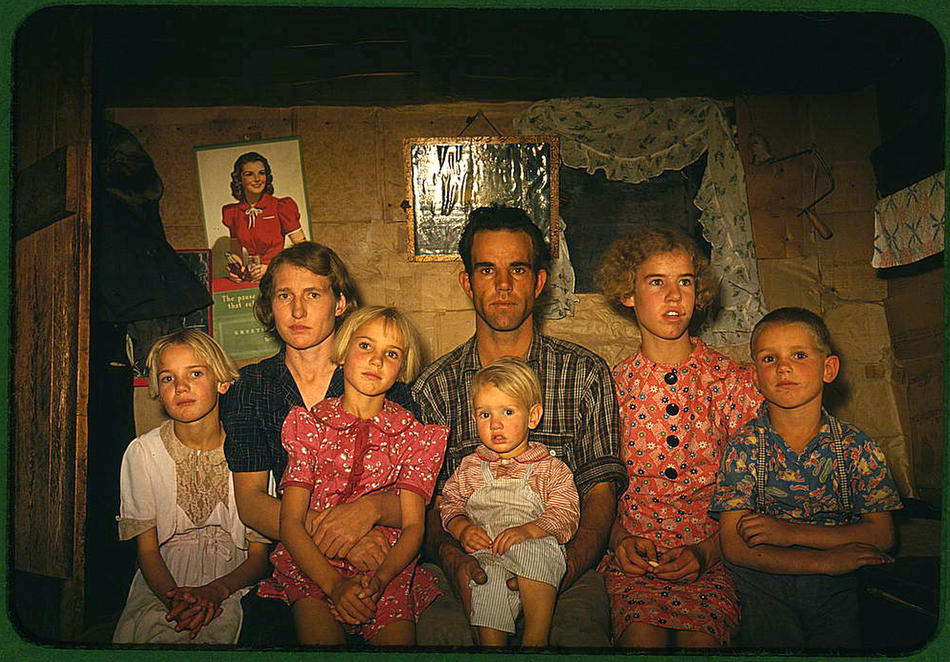
Figure 1 – Russell Lee “Portrait of the Jack Whinery Family, Pie Town, NM 1940” from the Library of Congress and in the public domain.

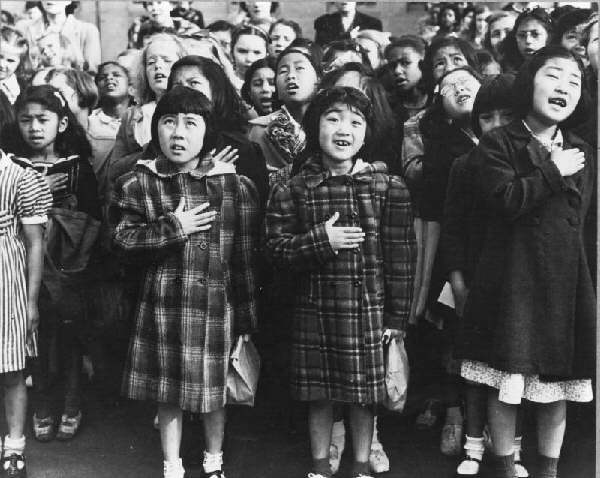
If we look at the image of the children at the Weill school saying the pledge of allegiance, we see what is our standard view of the depression – it is black and white.  The same is true with Ken Burns’ “The Dust Bowl.”  We have a black and white world, and by virtue of its being black and white we are somehow immune to it.

I have also discussed the Autochrome process, which brought images from 1907 – 1937 into a very spectacular and vivid color.  I also described how Kodak introduced Kodachrome in 1937 and a new age of color photography.

A reader has been kind enough to share with me an article in the Denver Post showing FSA photographs taken with the Kodachrome process from the collection of the Library of Congress.  Suddenly that world becomes rendered in the characteristically striking color of Kodachrome film.  It was hard to chose a favorite and representative image.  Finally, I settled upon the image in Figure 1 taken by Russell Lee in 1940.  It is a picture of homesteader Jack Whinery and his family in Pie Town, New Mexico.

I like the Whinery picture because it is so like the many black and whites that we see from these federal projects.  We can no longer hide in the security of monotone.  And, of course, the current recession 2008 – 2013 raises eyebrows and makes us question the fragility of our perceived distance from these souls and immunity from their woes.


Toyo Miyatake and Dorothea Lange – Japanese internment camp photographs

Lange

Figure 1 – Dorothea Lange “Students at the Weill Public School reciting the Pledge of Allegence, 1942” Taken for the FSA, in the LOC, and in the public domain.

Yesterday we spoke about Ansel Adams’ photographs of the Manzanar Relocation Camp.  In that post I mentioned two other photographers Toyo Miyatake (1896-1979)  and Dorothea Lange (1895-1965) and I thought that it would be interesting to do some websearching for the photographs of each of them from these camps.

As it turns out, Toyo Miyatake Studios, originally founded by Toyo in 1926 in Los Angeles, was moved to the San Gabriel Valley in 1985.  It is still run by his family and remains a fluorishing and sought after portrait studio. On their website they have galleries of Toyo Miyatake’s photographs taken at Manzanar and also vintage photographs of the 1932 Los Angeles Olympics as well as vintage photographs of Los Angeles’ historic Little Tokyo District.  All of these can be found at the links I have provided and are really worth visiting.

As I discussed Dorothea Lange visited all of the internment camps.  Her black and white photographs of the Great Depression under the auspices of the Farm Security Administration are legendary.  Her photographs of the camps were also taken as part of her work for the FSA and, as a result, many of them were censored by a government, itself ambiguous about the relocation and internment of American Citizens.  Much of this work was not fully revealled until the early 1970’s.

Since they are in government possession there are currently several valuable archives to consult.  Check out:

As for Figure 1, this is an image by Lange taken on April 1942. and shows first graders at the Weill Elementary School reciting the pledge of allegiance.  Within days all of the students of Japanese descent had been relocated for the duration of the war.


Manzanar Relocation Center – images by Ansel Adams

Manzanar_girl_and_volley_ball

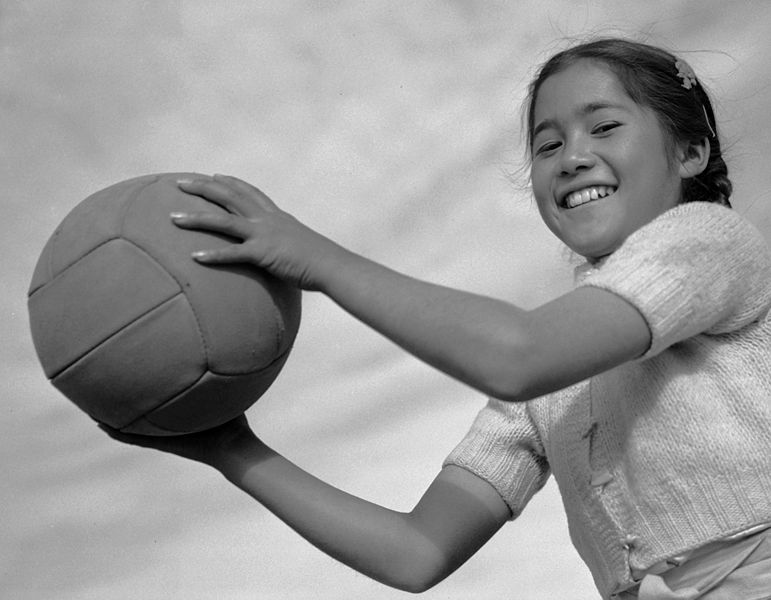
Figure 1 – “Manzanar Girl with Volley Ball, 1943,” Ansel Adams from the Library of Congress.

I’d like to make people aware of a very remarkable collection of photographs at the Library of Congress taken by Ansel Adams in 1943 of the American Citizens of Japanese descent, who were interned in the Manzanar Relocation Center. This work of which Figure 1 is a beautiful example represent a major departure for Ansel Adams from his traditional Monumental Landscape work, being instead intensely intimate portraits and scenes of camp life. It is strikingly interesting how over the last few years the diversity and breadth of Adam’s work is slowly becoming increasing apparent.

These works were originally published in 1944  by US Camera with text by Adams in a book entitled “Born Free and Equal.” and exhibited at the Museum of Modern Art in NYC.   The photographs were donated to the Library of Congress by Adams in 1966.

Ansel Adams’ photographs at Manzanar were the result of an invitation by his friend Ralph Merritt, who had recently been appointed camp director. It is significant that two other contemporary photographers documented Manzanar.  The first was Dorothea Lange, then a staff photographer for the War Relocation Authority.  Lange visited all eleven Japanese-American internment camps. The third photographer was internee Toyo Miyatake.  Miyatake had been a studio photographer in Los Angeles. His first photographs were taken with and improvised camera that he built with smuggled parts.  His activities were discovered, but Merritt allowed him to continue work and even to have his studio equipment shipped to the camp.  Initially he would set up the photograph, but only a camp guard was allowed to press and release the shutter.  This, of course, speaks volumes about the injustices being meted out to loyal American citizens at Manzanar.

In donating these beautiful images and important historical documentation to the Library of Congress Adams wrote:
“The purpose of my work was to show how these people, suffering under a great injustice, and loss of property, businesses and professions, had overcome the sense of defeat and dispair [sic] by building for themselves a vital community in an arid (but magnificent) environment…All in all, I think this Manzanar Collection is an important historical document, and I trust it can be put to good use.”

Snowflake Bentley

Snowflake_Bentley

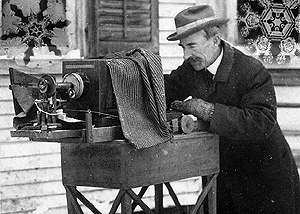
William A. Bentley with his snowflake camera from the Wikicommons original source http://www.flickr.com
/photos/mobyd
/2908371931/
and in the public domain.

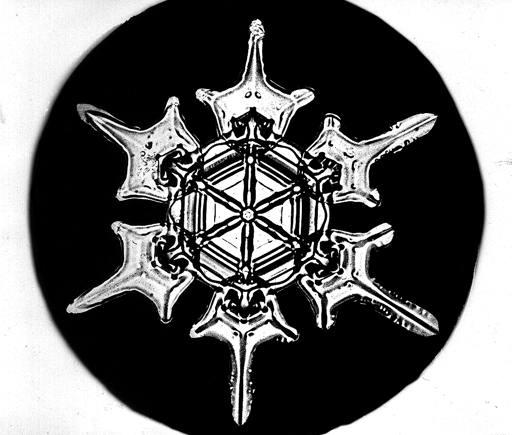
We cannot discuss the origins of photomicroscopy without mentioning the work of William A. Bentley (aka the Snowflake man)(1865-1831). Bentley was a self-taught Vermont farmer.  At age fifteen Bentley developed an interest in snowflakes. He learned to capture them beneath the lens of a microscope and tried to draw them in all their beautiful and unique detail. But he found that they melted before he could complete a drawing. If you think about it these are the most ephemeral of objects. Photomicrosopy was the obvious solution, but it still took Bentley two years to develop a camera and methodology.

Bentley_Snowflake5

Figure 2 – one of William A. Bentley’s snowflake photographs from http://snowflakebentley
.com/
snowflakes.htm and in the public domain

Today, of course, we recognize that this is an example of macrophotography.  With a 35 mm camera we would want to “blow up” the snowflake two or three times.  For a view camera this is more extreme, and that makes the required exposure somewhat demanding.  But for Bentley, it was all worth the effort.

Today, we learn as children that no two snowflakes are alike.  It was William A. Bentley, who made that discovery.  Today, as physicists, we are taught that this random uniqueness is characteristic of what we call fractal processes.  We should never dismiss the fundamental beauty of nature – even in its most fleeting processes.  Bentley recognized this important point.  He wrote profoundly in 1925:

“Under the microscope, I found that snowflakes were miracles of beauty; and it  seemed a shame that this beauty should not be seen and appreciated by others.  Every crystal was a masterpiece of design and no one design was ever repeated.  When a snowflake melted, that design was forever lost. Just that much beauty was gone, without leaving any record behind.”

Bentley died in 1931 after contracting pneumonia in a blizzard.  But this was not before he left us a very rich legacy of some of the finest and most emotion filled photomicrographs ever created see Figure 2).


At the Mall with my IPhone

Mall5

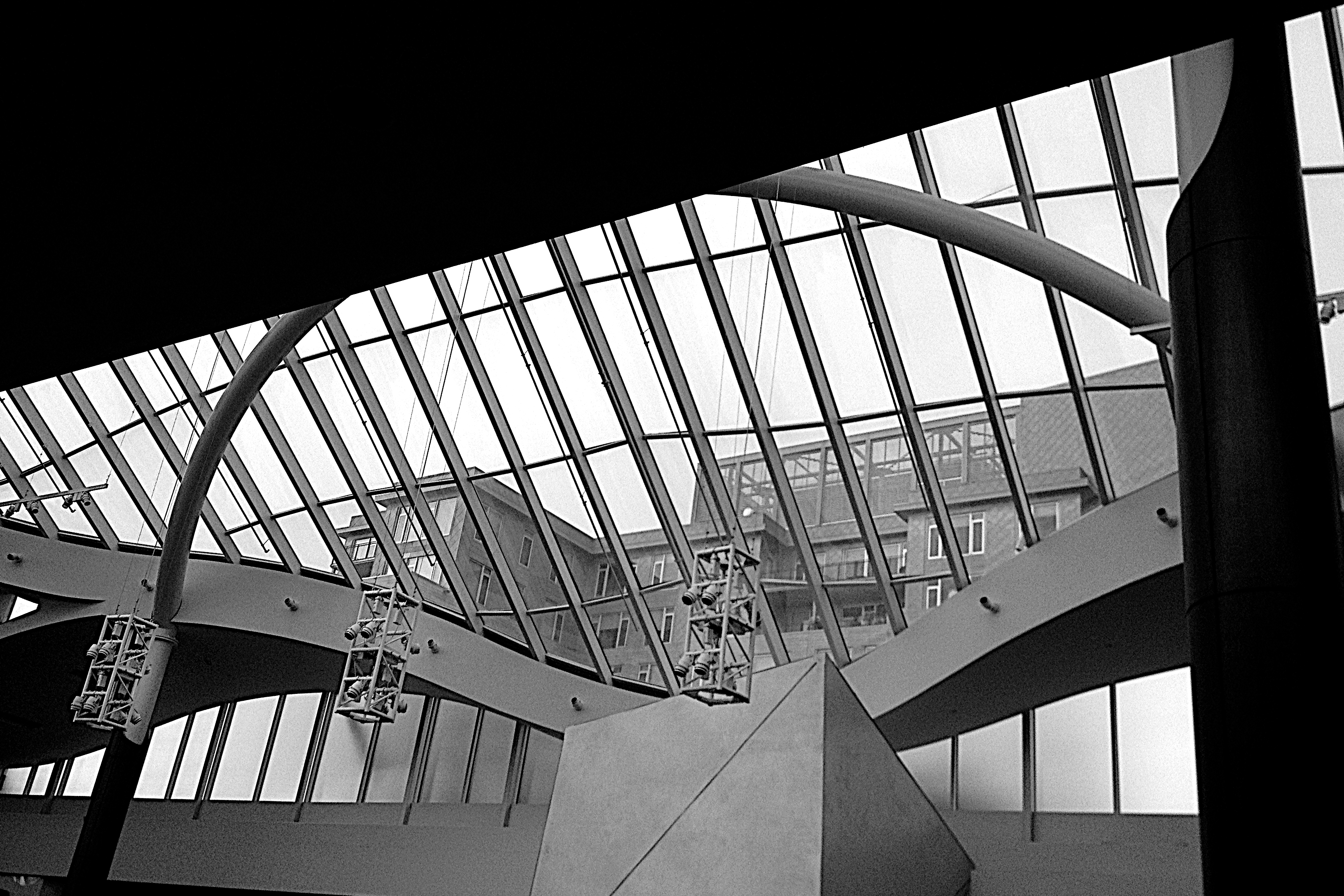
Figure 1 – “Roof of the Natick Collection,” (c) D E Wolf 2013

Mall6

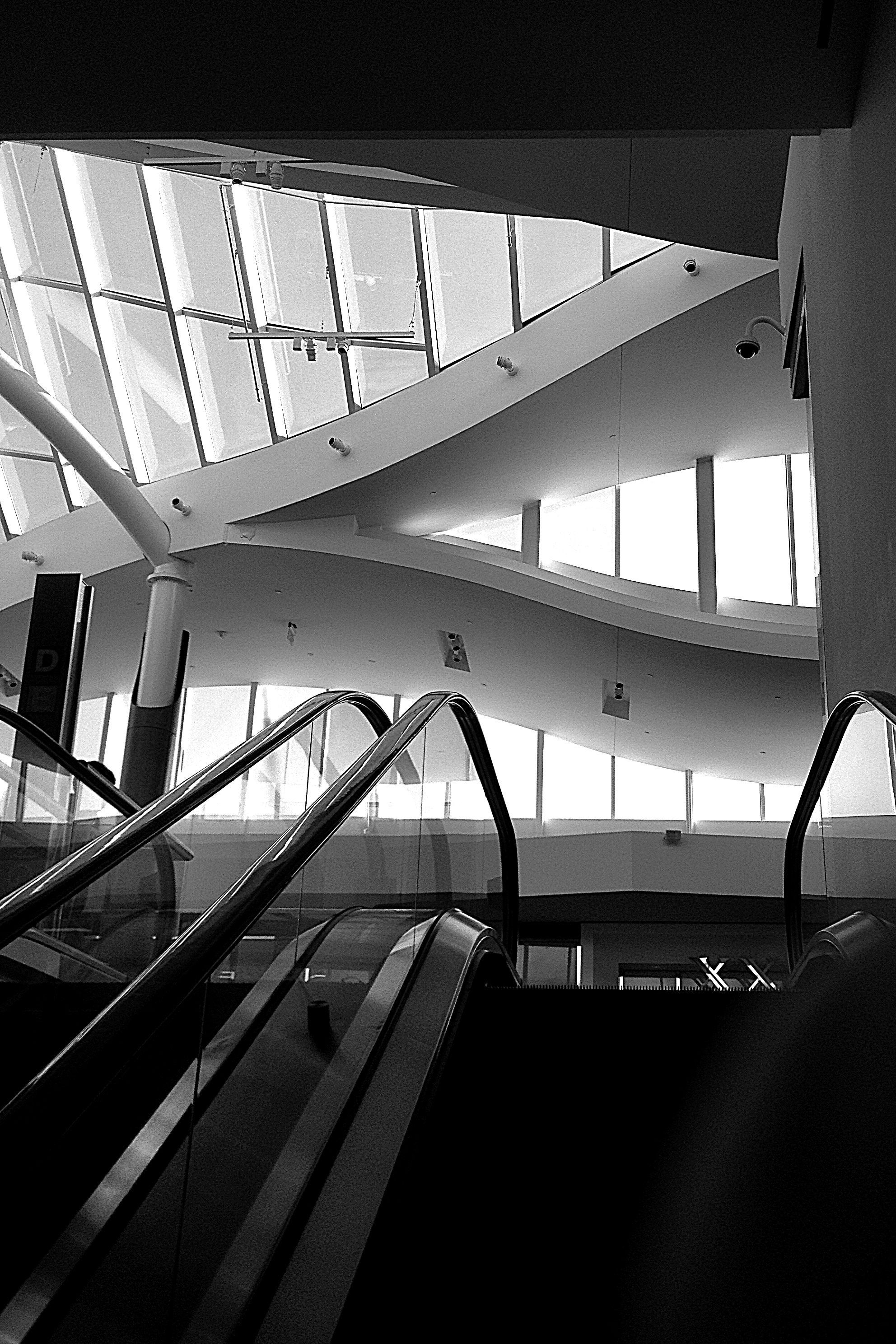
Figure 2 – “Up escalator the Natick Collection,” (c) D E Wolf 2013

OK, so it’s January in New England.  I’m supposed to be out in the snow taking photographs.  But the truth is that it is so much warmer in the Mall – our local Mall, “The Natick Collection.”

So on a lazy January day I decided upon an experiment.  I would take my IPhone 4S with me to the mall and I would take some pictures.  In this case I decided to apply three rules to myself.  First, the goal was geometrics.  Second, only black and whites were allowed. And third, only geometrics would be allow.  That is no people.

Mall2

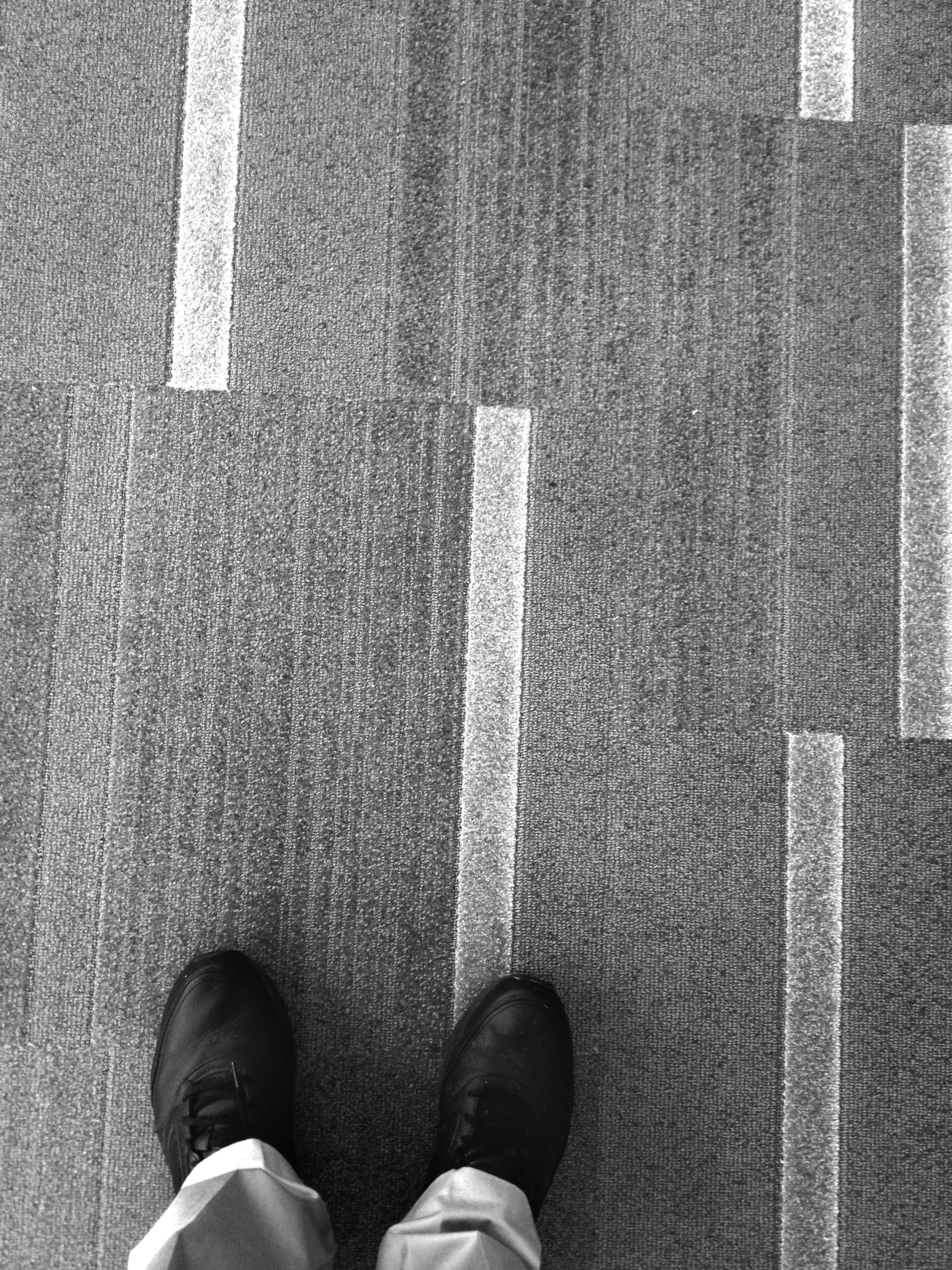
Figure 3 – Feet don’t fail me now! (c) D E Wolf 2013

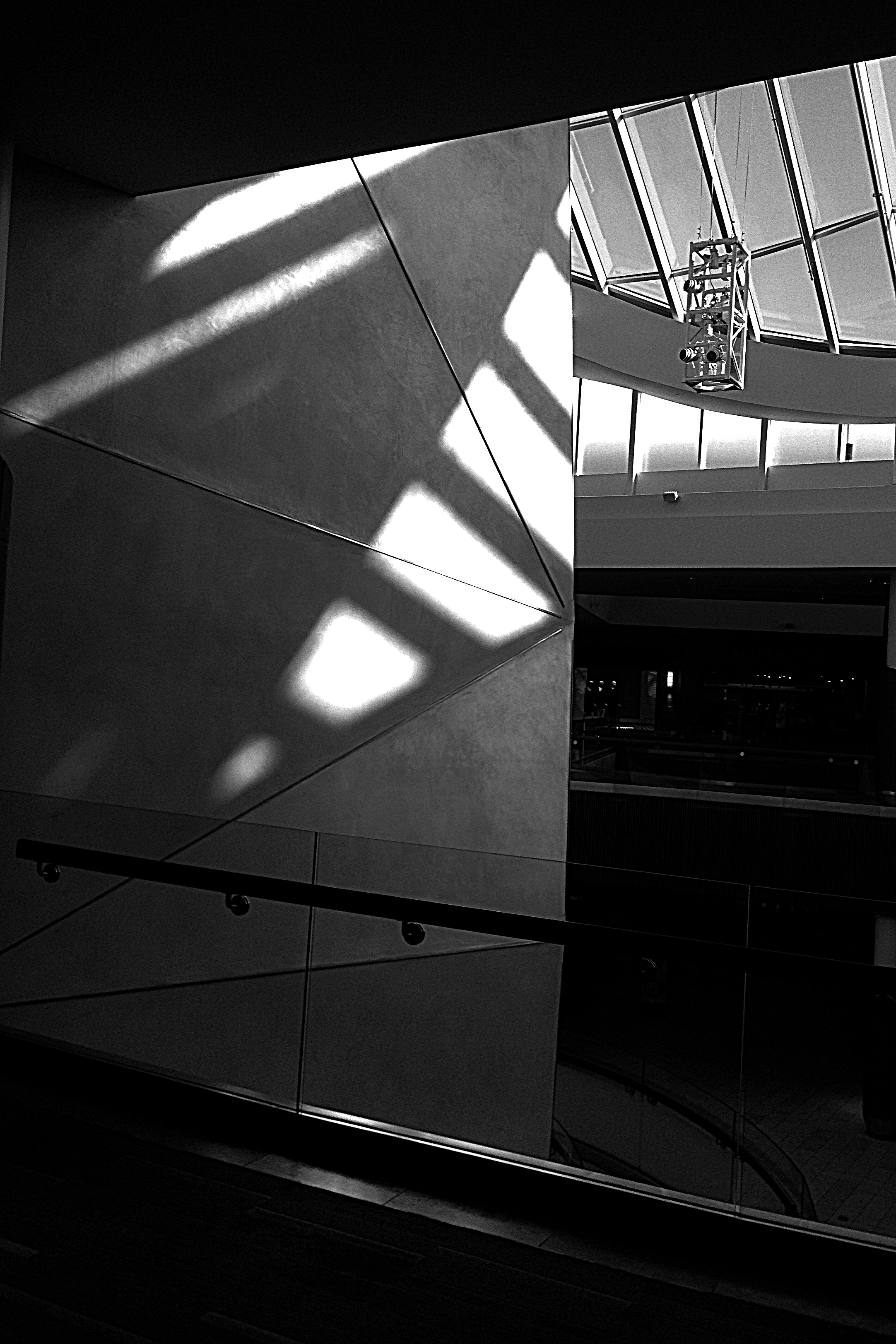
The Natick Collection has this kind of imitation Frank Gehry design.  Outside they cheat and do it with an artificial wavelike facade.  It looks kind of like a boat and there are big sweeping lines inside and out.  As a result, inside the mall there is a cool framework, and this framework in turn casts some very interesting shadows.  These shadows create there own complementary geometric patterns.  The roof is made of glass.  It looks a bit like a greenhouse and on a good day the light streams in spectacularly.

So I headed up the escalator into the light.  I planted my feet on the soft upstairs carpeting and contemplated the path conveniently laid in rectangles before me.  I have a bit of difficulty in framing the image on my IPhone in what is, to me, an awkward position – not to mention that it’s a bit hard to see while you’re framing.

Mall3

Figure 4 – “Shadows the Natick Collection,” (c) D E Wolf 2013

In the end, my trip to the mall fits well to the description of being a “personal photographic wandering.” I think that confining oneself to using a cell phone camera was a very valuable exercise.  It let’s you focus on the photograph.  I was going to add “and not your equipment,” but you always have to know and understand your equipment and what it can do.

But as I walked around the mall contemplating storefronts and sushi bars, I remembered Ansel Adams’ burro named Miseltoe. Misletoe accompanied Adams on his first long trip into Sierras in 1920, when Adams was just eighteen. Mistletoe, carried almost a hundred pounds of gear and food, Adams a thirty-pound pack full of photographic equipment.

Mall4

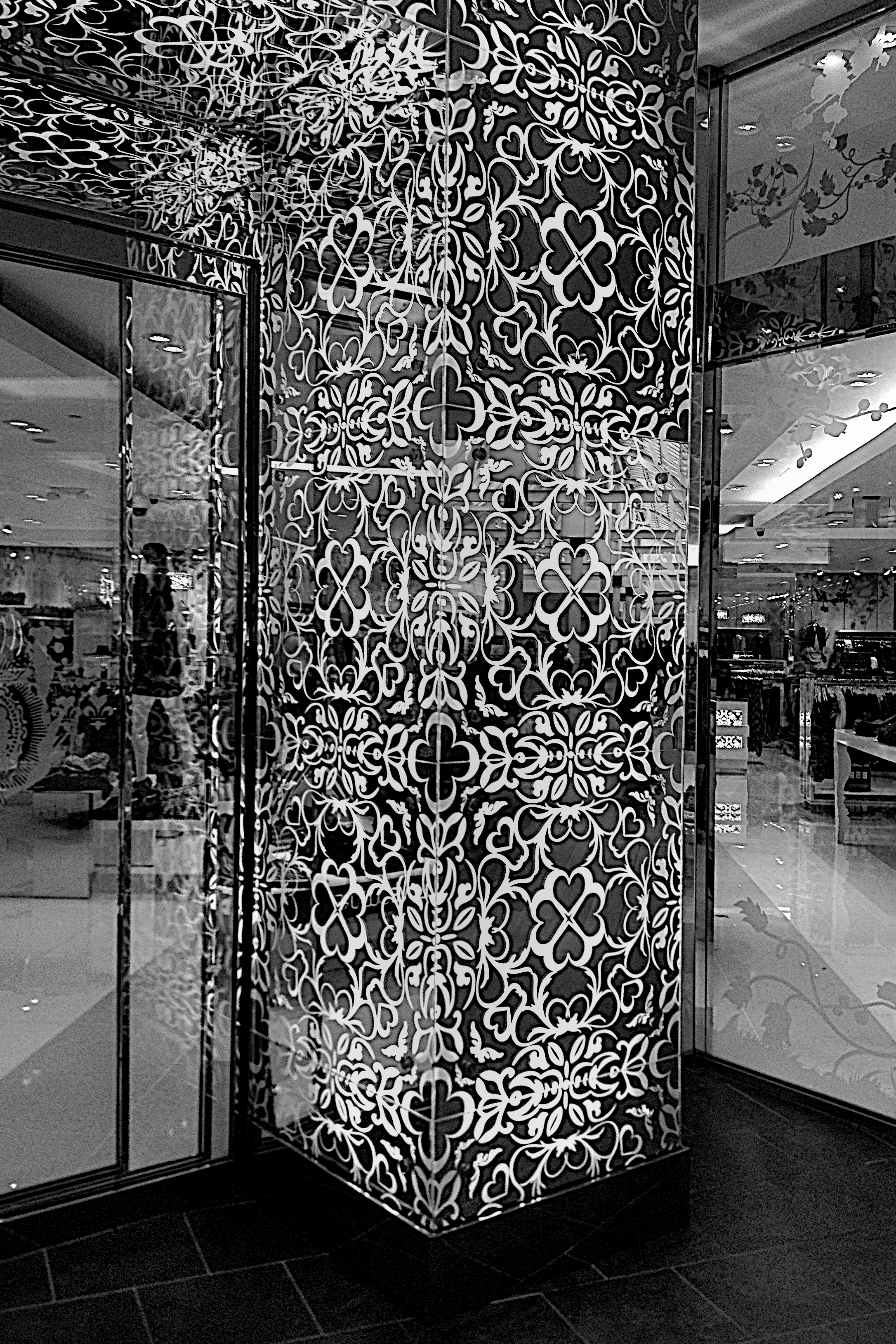
Figure 5 – “Glass Column the Natick Collection,” (c) D E Wolf 2013


Mall1
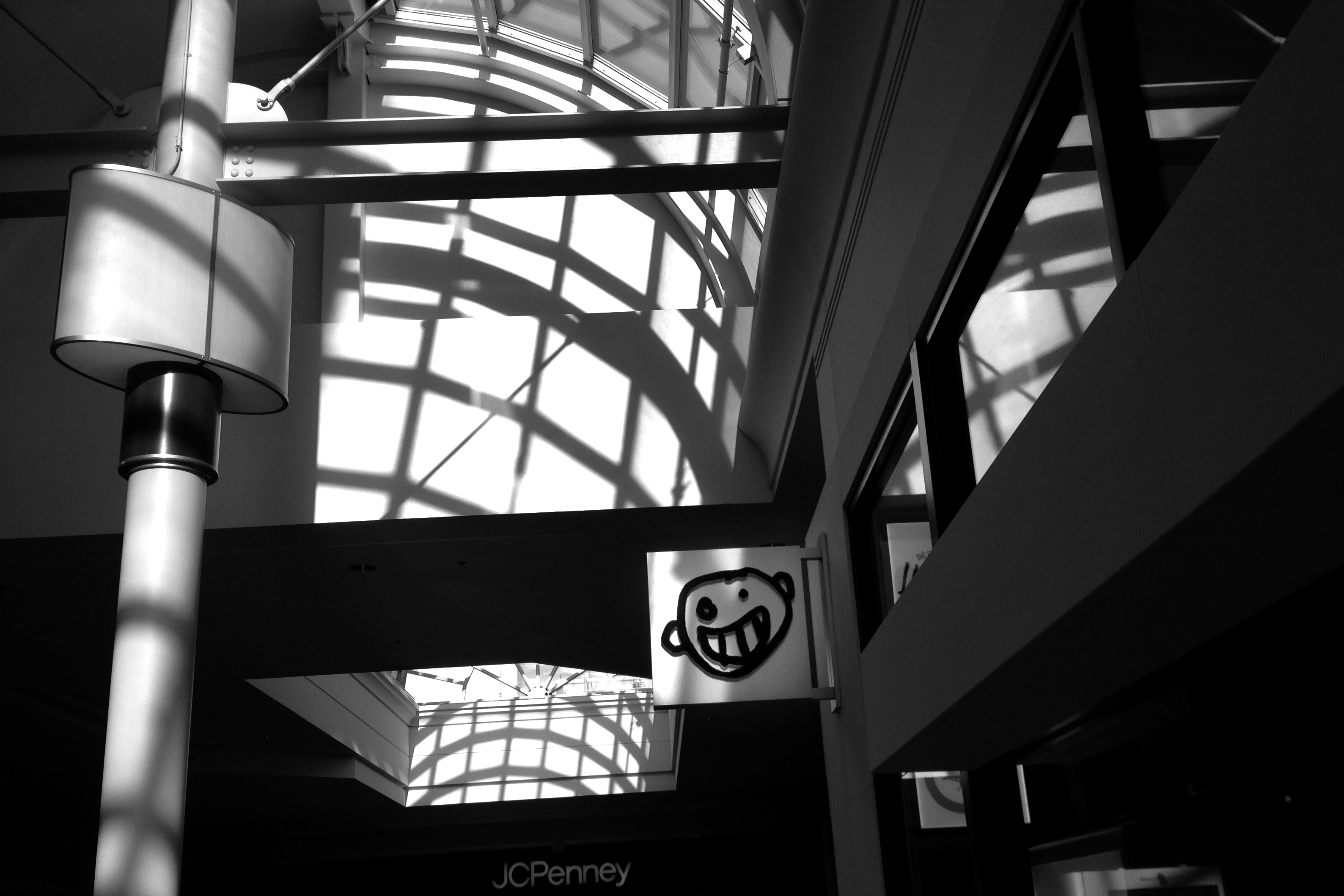
Figure 6 – “Newbury Comics the Natick Collection,” (c) D E Wolf 2013

Photographic firsts #6 – the first microphotograph, John Benjamin Dancer and the invention of microfilm

Dancer the Scientist in his Laboratory

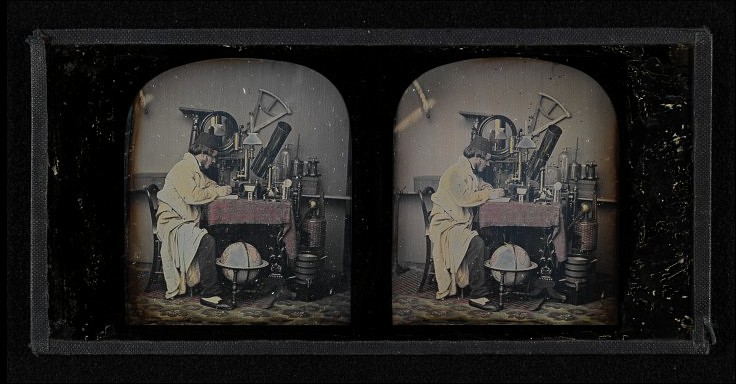
Figure 1 – John Benjamin Dancer daguerreotype stereo pair, “The Scientist in his Laboratory, 1851.” The image shows a sitter as “the scientist” creating a daguerreotype and surrounded by Dancer’s instruments and inventions. The image is in the collection of the Victoria and Albert Museum and is in the public domain.

One of the things that you can do with a microscope is project the image of something very tiny onto a wall.  That is, you can blow it up or greatly magnify it.  The only functional limit to this seems to be the amount of light that you have.  How big can you make the image before it gets too faint to see?

If you think about it, you can actually use the same microscope to reverse the process.  You might look at a scene, say a cathedral or a painting, and use the microscope to make a very true but tiny image of the scene.  Physicists have a very cool name for this.  They say that the “laws of physics are reversible in time.”  Wow! Did I say time reversal?

Now suppose I put a photograph film or digital detector in the microscope.  Then if I exposed the film with light from the scene and subsequently developed it, I would have a very tiny image of the scene.  Such was the innovation and popularization of John Benjamin Dancer (1812-1887).  Dancer ran a microscope manufacturing company and also sold microscope slides that contained these wonderful early microfiche.   Several examples can be seen on the web at the site of the Whipple Museum of the History of Science in Cambridge UK.:

Photographic firsts #5 – the first photomicrograph

FoxTalbot-First-Photomicrograph

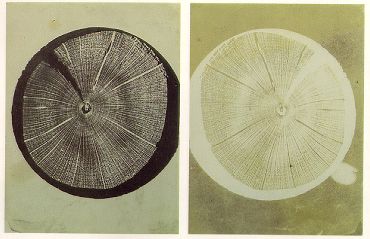
Figure 1 – the first photomicrograph a transverse section of a stem taken by William Henry Fox Talbot in 1839 from the Masters of Photography website ( and in the public domain).

Let’s turn today to the question of who took the first successful photomicrograph.  We need to be precise about definition.  A photomicrograph is a photograph of something small under a microscope.  This is as opposed to a microphotograph, which is a very small photograph that might require a microscope to see it, but could, in fact, be an image of something very large.
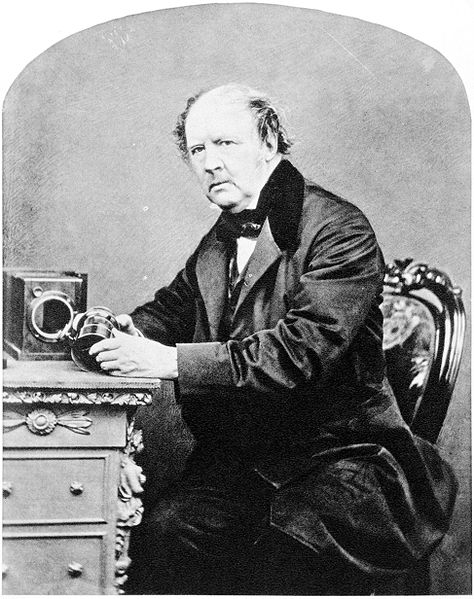
William_Henry_Fox_Talbot,_by_John_Moffat,_1864

Figure 2 – William Henry Fox Talbot by John Moffat, 1864 from the Wikimedia commons, Michael Maggs source and in the public domain.

It is interesting that this story connects with Charles Darwin.  Charles Darwin and his wife Emma nee Wedgewood were first cousins.  They shared a grandfather, Josiah Wedgewood, I (1730-1795) and an uncle Thomas Wedgewood (1771-1805), who was an early experimenter in photography.  The interrelationships in this very important English scientist and intellectual family are very complex, but you may sort it all out from the Darwin-Wedgewood family tree.  Of course, the name Wedgewood is familiar to us from their very distinctive fine china, and it is indeed the case that Wedgewood Porcelain was founded by Josiah Wedgewood, I and subsequently led by Josiah Wedgewood, II, Emma’s father.

In 1802, uncle Thomas published  “An Account of a method of copying Paintings
upon Glass, and of making Profiles, by the agency of Light upon Nitrate of Silver” in
the Journals of the Royal Institution, it states:
“In following these processes, I have found that the image of small objects, produced by means of the solar microscope, may be copied without difficulty on prepared paper. This will probably be a useful application of the method; that it may be employed successfully, however, it is necessary that he paper be placed at but a small distance from the lens.”

Now, we have no evidence that Thomas Wedgewood ever succeeded in capturing a photomicrograph.  There is however, some evidence that he and Sir Humphry Davy (1778 – 1829) did attempt to do so.

A solar microscope, by the way, is simply a microscope that uses the sun as a source of light.  This is usually accomplished by means of a mirror that reflects the sunlight from outside a window into the microscope.

The first known photomicrograph, and therefore the credit of being the inventor of photomicroscopy goes to the inventor of photography William Henry Fox Talbot (1800-1877).  This is shown in Figure 1 – a photomicrograph of a botanical transverse section of a stem, 1839. A photograph of Fox Talbot taken by John Moffat in 1864 is shown in Figure 2.

As natural history came more and more into intellectual vogue in the nineteenth century the act of looking through a microscope became more and more familiar.  You would expect to see a circular image surrounded by black.  As a result, the framing of Fox Talbot’s photomicrograph by a circular field of view has as much to do with viewer expectation as it does with how the picture was optically taken.

* Here is an excellent link to the history of photomicroscopy.
Genealogical imagery and the quest for the familiar

I’ve gotten a lot of kind and positive response to my post about my grandmother’s portrait, and it got me thinking about the special appeal of old family photographs.  We have discussed the magical quality of nineteenth century photographs of people, about how these people seem to call out and connect with us across the vastness of time.  Their anonymity is part of their appeal.  We are almost voyeurs observing long forgotten lives. In the case of family photographs it is almost as if the opposite is true.  We are looking for something familiar, something of ourselves that creates a special bond of connection.

I remember once going to a good friend’s mother’s house and there on the wall was a nineteenth century picture of what appeared to be his teenage daughter.  To me his daughter looked like her great-great grandmother – so strong was the family resemblance. That is the great power of our genes and therein lies the appeal of family pictures.  They create a sense of personal connection and at the same time flesh out the ancestor almost as if they were remade.

The picture that I posted of my grandmother used to hang in my grandmother’s living room and next to it was a picture of my infant father on a bearskin rug from around 1918.  I remember looking at them, whenever I visited my grandmother’s house. These hang again together in my study now.  They are loaded with memories for me.  Right now I am thinking about how sunny her 12th floor Bronx, NY apartment was, how she had a green thumb, which she was sure was because she spoke and sung to her plants.

And I suppose that there is a distinction between pictures of family that you once knew and family you never knew.  In the latter case you can only imagine.  And what you imagine is that the genes run deeper than any superficial physical likeness.  You imagine that personality traits and feelings were also the same.  Do you laugh like your parents, and they like theirs? Just as you may be like your mother or father, who in turn was like their mother or father, all of these people shared something of personality, with you – each in the context of his or her own time*.

There’s a lot of imagining going on, a lot of projection of self, and quite suddenly we see once more the true magic of photography.  It projects a filtered reality through time and space.  It makes us wonder about what makes us fundamentally human.

* I’d like to remind readers of my post of October 30 about Rafael  Goldchain “I am My Family.

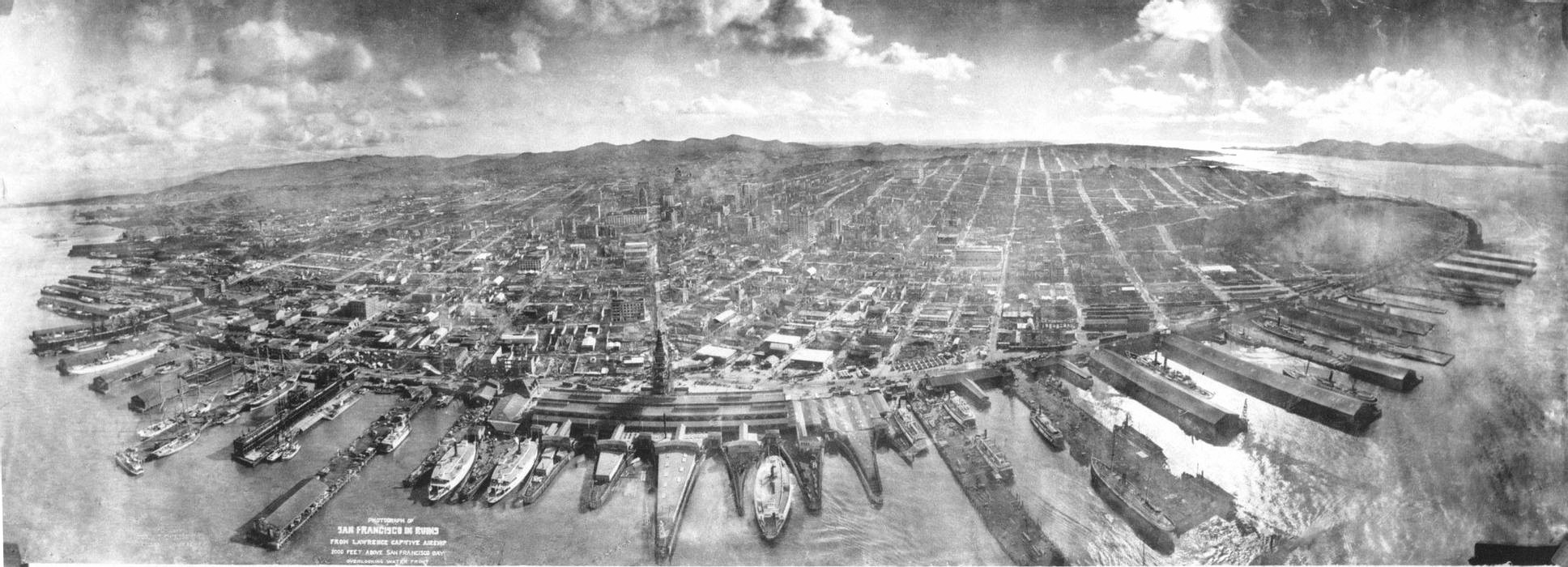
Aerial view of the Great San Francisco earthquake 1906

1906_EarthquakeOn the subject of early aerial photography, we should also take a look and marvel at George Lawrence’s panoramic view of the devastation that followed the great San Francisco earthquake of 1906.  No hot air balloon used here!  Lawrence used a string of Conyne kites to lift his handmade 49-pound camera panoramic camera 1,000 feet .

Today, needless-to-say there’s a website devoted to teaching you how to take aerial digital photographs from a kite.  If you are going to try this I suggest that you remember George Lawrence and his 49 lb camera and also Benjamin Franklin and his kite experiments,